

When it comes to the question of whether rack parts can be used in underwater applications, it's a topic that combines the practicalities of industrial equipment with the unique challenges of the aquatic environment. As a rack parts supplier, I've delved deep into this subject to understand the feasibility, limitations, and potential solutions for using our products underwater.
Understanding Rack Parts
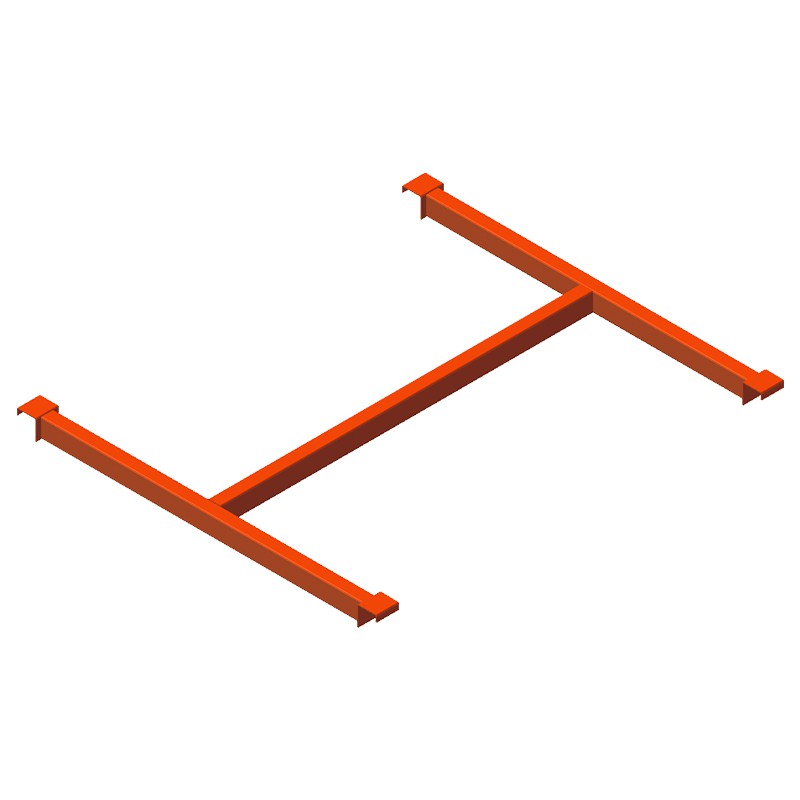
Rack parts are essential components in various storage and handling systems. They come in a wide range of types and designs, each serving a specific purpose. For example, the 3 Inch Hole Step Beam End Safety Clip is designed to secure beams in place, preventing accidental dislodgment. The Big Width Pallet Support Bar provides a stable base for pallets, distributing weight evenly and ensuring safe storage. And the H Shape Pallet Support Bar offers enhanced strength and support, especially for heavy loads.
These parts are typically made from materials such as steel, which is known for its durability and strength. However, the properties that make steel suitable for above - water applications may not directly translate to underwater use.
Challenges of Underwater Applications
The underwater environment presents several challenges that need to be considered when evaluating the use of rack parts.
Corrosion
One of the most significant challenges is corrosion. Water, especially saltwater, is highly corrosive. When steel rack parts are submerged, they are exposed to oxygen, water, and various dissolved salts. This creates an electrochemical reaction that leads to the formation of rust. Rust weakens the structure of the steel, reducing its strength and integrity over time. If left unaddressed, corrosion can cause the rack parts to fail, leading to potential safety hazards and costly replacements.
Pressure
Underwater, the pressure increases with depth. Every 10 meters of depth adds approximately one atmosphere of pressure. This increased pressure can put stress on the rack parts, especially if they are not designed to withstand it. For example, a part that is perfectly stable at the surface may buckle or deform under high - pressure conditions.
Marine Growth
Marine organisms such as barnacles, mussels, and algae can attach themselves to the rack parts. This marine growth not only adds weight to the parts but can also interfere with their functionality. For instance, if a safety clip becomes covered in barnacles, it may not be able to secure the beam properly.
Potential Solutions
Despite these challenges, there are ways to make rack parts suitable for underwater applications.
Material Selection
One solution is to use corrosion - resistant materials. Stainless steel is a popular choice as it contains chromium, which forms a passive oxide layer on the surface. This layer protects the steel from corrosion. Other materials such as titanium or fiberglass can also be considered. Titanium is extremely strong and corrosion - resistant, but it is also more expensive. Fiberglass is lightweight and non - corrosive, but it may not have the same strength as steel in some applications.
Coating
Applying a protective coating to the rack parts can also help prevent corrosion. Epoxy coatings, for example, can create a barrier between the steel and the water. These coatings are available in different thicknesses and formulations, and some are specifically designed for underwater use. However, the coating needs to be applied correctly and maintained regularly to ensure its effectiveness.
Design Modifications
The design of the rack parts can be modified to withstand the underwater environment. For example, parts can be designed with thicker walls to handle the increased pressure. Additionally, the shape of the parts can be optimized to reduce the accumulation of marine growth. Smooth, streamlined shapes are less likely to attract barnacles and other organisms.
Case Studies
There have been some successful applications of rack - like structures underwater. In the oil and gas industry, for example, storage racks are used on offshore platforms to hold equipment and supplies. These racks are often made from stainless steel and are specially coated to resist corrosion. They are also designed to withstand the high - pressure and harsh environmental conditions of the ocean.
In aquaculture, rack - like structures are used to hold fish cages. These structures need to be stable in the water and resistant to corrosion. By using corrosion - resistant materials and proper coatings, these racks can have a long service life even in the challenging aquatic environment.
Evaluating the Feasibility
Before deciding to use rack parts in an underwater application, a thorough feasibility study should be conducted. This study should include an assessment of the specific underwater environment, such as the type of water (saltwater or freshwater), the depth, and the temperature. It should also consider the intended use of the rack parts, including the weight and type of loads they will carry.
Based on this assessment, the appropriate materials, coatings, and design modifications can be selected. It may also be necessary to conduct tests, such as laboratory corrosion tests or small - scale field trials, to ensure that the rack parts will perform as expected.
Conclusion
In conclusion, while using rack parts in underwater applications is challenging, it is not impossible. With the right materials, coatings, and design modifications, rack parts can be made suitable for the underwater environment. As a rack parts supplier, I am committed to providing solutions that meet the unique needs of underwater applications.

If you are considering using rack parts in an underwater project, I encourage you to reach out for a detailed discussion. We can work together to evaluate the feasibility of your project, select the most appropriate rack parts, and ensure that they are properly prepared for the underwater environment. Whether it's for an offshore storage facility, an aquaculture project, or any other underwater application, we have the expertise and products to support your needs. Contact us to start the conversation and explore how our rack parts can be tailored to your underwater requirements.
References
- "Corrosion of Metals in Seawater" - ASTM International
- "Engineering for the Marine Environment" - McGraw - Hill
- "Underwater Structural Design" - Wiley


