

Hey there! As a supplier of Upright Frame Bracing, I've often been asked whether upright frame bracing can be used in offshore structures. It's a valid question, considering the unique challenges and conditions that offshore environments present. In this blog post, I'm gonna dig into this topic, explore the possibilities, and share my thoughts based on my experience in the industry.
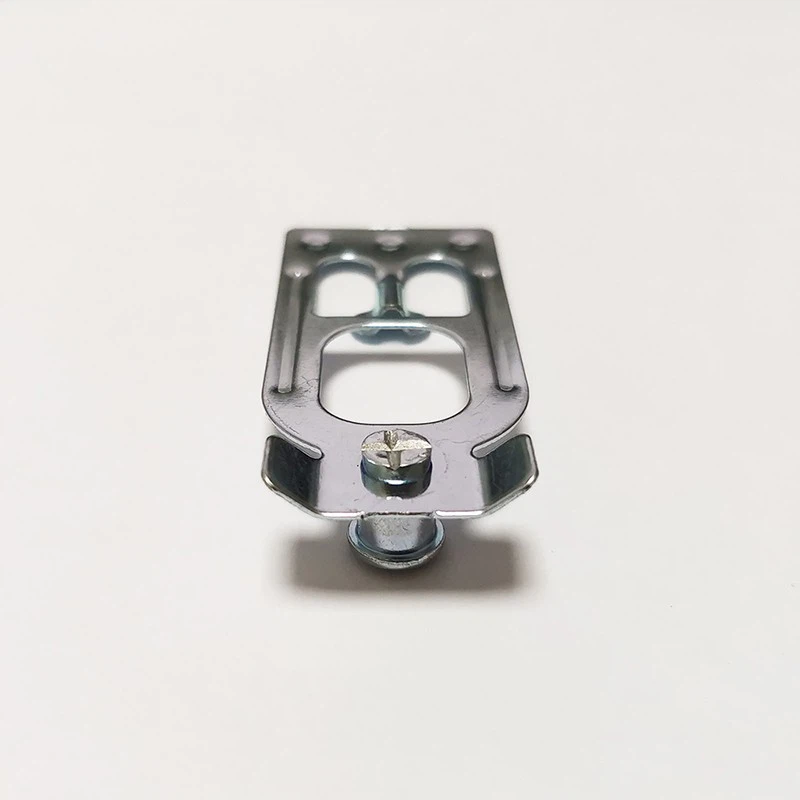
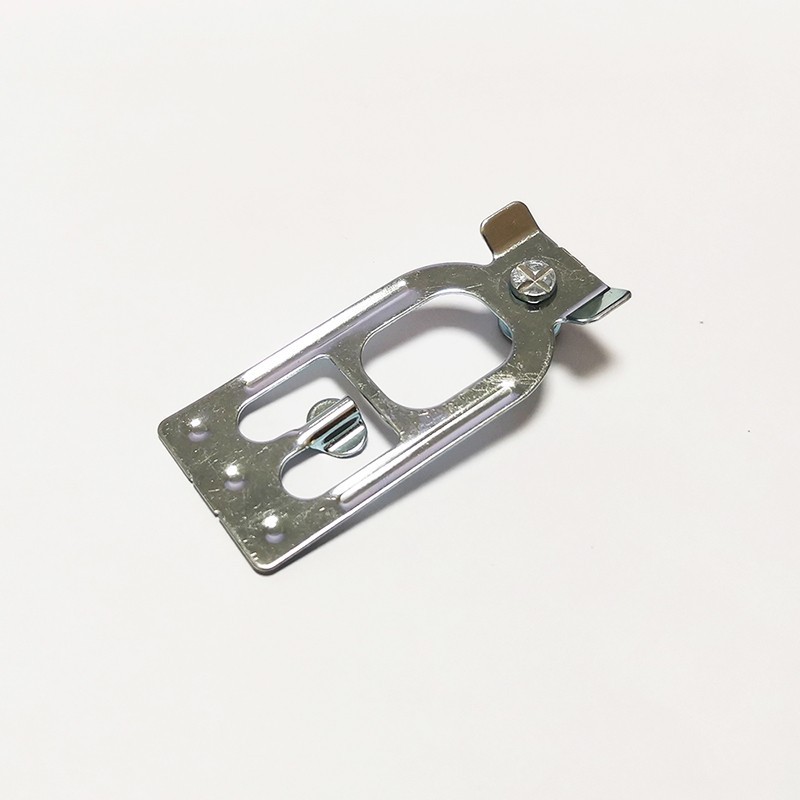
Let's start by understanding what upright frame bracing is. Upright frame bracing is a crucial component in various types of structures. It provides additional support and stability to the upright frames, helping them withstand external forces such as wind, seismic activity, or even the weight of stored materials. You can check out more about Upright Frame Bracing on our website. It's commonly used in industrial settings like warehouses and factories, where pallet racking systems are installed. Pallet Racking Beams are often used in conjunction with upright frame bracing to create a sturdy storage solution. And don't forget about the 2 Inch Hole Step Beam End Safety Clip, which adds an extra layer of safety to the setup.
Now, let's talk about offshore structures. Offshore environments are a whole different ballgame compared to onshore settings. They are characterized by harsh weather conditions, including strong winds, high waves, and corrosive saltwater. Structures built in these areas need to be able to handle these extreme elements over long periods. For example, an offshore oil rig has to stand up to the constant battering from the sea and endure hurricane-force winds. Given these challenges, the question of whether upright frame bracing can be used in offshore structures is a complex one.
One of the main considerations is the material used in the upright frame bracing. In offshore environments, corrosion is a major concern. Regular steel bracing might not hold up well against the saltwater, leading to rust and deterioration over time. However, there are corrosion-resistant materials available, such as stainless steel or galvanized steel, that can be used to make upright frame bracing more suitable for offshore use. These materials have a protective layer that helps prevent rust and degradation, ensuring the bracing remains strong and durable.
Another aspect to consider is the design of the upright frame bracing. Offshore structures often have unique geometries and loading requirements. The bracing needs to be designed in a way that it can effectively transfer the loads and forces acting on the structure. For instance, the bracing should be able to handle the lateral forces caused by the wind and waves. Computer-aided design (CAD) and finite element analysis (FEA) can be used to optimize the design of the bracing, ensuring it meets the specific needs of the offshore structure.
In addition to the material and design, the installation process is also crucial. Installing upright frame bracing in an offshore environment is more challenging than on land. Workers have to deal with limited access, rough weather conditions, and strict safety regulations. Proper installation techniques and equipment are necessary to ensure that the bracing is securely attached to the structure and functions as intended. It's also important to conduct regular inspections and maintenance to detect any signs of damage or wear and tear.
Despite the challenges, there are some potential benefits to using upright frame bracing in offshore structures. One of the main advantages is the added stability it provides. By reinforcing the upright frames, the bracing can help prevent structural failures caused by excessive loads or external forces. This can improve the overall safety and durability of the offshore structure, reducing the risk of accidents and downtime.
Another benefit is the flexibility of upright frame bracing. It can be customized to fit the specific requirements of different offshore structures. Whether it's a small platform or a large industrial complex, the bracing can be designed and fabricated to meet the unique needs of the project. This allows for a more efficient and cost-effective solution compared to using more complex and expensive bracing systems.
However, it's important to note that using upright frame bracing in offshore structures is not a one-size-fits-all solution. Each project needs to be evaluated on a case-by-case basis, taking into account factors such as the location, environmental conditions, and structural requirements. It's also advisable to consult with structural engineers and industry experts to ensure that the bracing is suitable and meets all the necessary standards and regulations.
In conclusion, while there are challenges and considerations to using upright frame bracing in offshore structures, it is definitely a viable option. With the right choice of materials, design, and installation, upright frame bracing can provide added stability and durability to offshore structures. If you're involved in an offshore project and considering using upright frame bracing, don't hesitate to reach out to us. We're here to help you find the best solution for your needs. As a trusted supplier of upright frame bracing, we have the expertise and experience to provide high-quality products and support. So, let's start a conversation and see how we can work together to make your project a success.
References
- "Structural Design for Offshore Engineering" by API
- "Corrosion Protection in Offshore Structures" by NACE International


