

When embarking on a project that requires upright frame bracing, selecting the right type is crucial for ensuring structural integrity, safety, and cost - effectiveness. As a supplier of upright frame bracing, I've witnessed firsthand the impact of making the correct choice. In this blog, I'll guide you through the key factors to consider when choosing the appropriate upright frame bracing for your project.
Load Capacity
The first and most fundamental consideration is the load capacity. Different projects have varying weight requirements, and the bracing must be able to handle the intended load without failure. For instance, in a warehouse project where heavy pallets are stored, the bracing needs to support substantial vertical and horizontal forces. You need to calculate the maximum static and dynamic loads that the structure will experience. Static loads include the weight of the stored goods, racking components themselves, while dynamic loads can be caused by forklift collisions, seismic activity, or wind forces.
To determine the load capacity, you can consult engineering specifications and standards. It's also advisable to work with a structural engineer who can perform detailed calculations based on your specific project requirements. Our company offers a range of upright frame bracing with different load - bearing capacities to meet diverse needs. Whether you're dealing with light - duty storage or heavy - industrial applications, we have solutions that can be tailored to your load requirements.
Structural Design
The structural design of the upright frame bracing is another critical factor. There are several common types of bracing designs, each with its own advantages and applications.
Diagonal Bracing
Diagonal bracing is one of the most widely used designs. It consists of diagonal members that connect the uprights, creating a triangular structure. Triangles are inherently stable, which makes diagonal bracing effective in resisting lateral forces such as wind and seismic loads. This type of bracing is suitable for both small - scale and large - scale projects. In a small storage shed, diagonal bracing can provide sufficient stability, while in a large commercial building, it can be part of a comprehensive structural support system.
K - Bracing
K - bracing is characterized by its "K" shape. It is often used in situations where there are specific space or aesthetic requirements. K - bracing can be more visually appealing than some other types of bracing, and it can also be designed to fit into limited spaces. However, it may require more careful engineering to ensure proper load distribution, as the central intersection point can be a stress concentration area.
X - Bracing
X - bracing, as the name suggests, forms an "X" pattern between the uprights. It is highly effective in resisting both vertical and horizontal loads. X - bracing provides excellent lateral stability and is commonly used in high - rise buildings and industrial structures. Its symmetrical design allows for even load distribution, making it a reliable choice for projects where structural integrity is of utmost importance.
Material Selection
The choice of material for the upright frame bracing can significantly impact its performance, durability, and cost.
Steel
Steel is the most popular material for upright frame bracing due to its high strength, durability, and versatility. It can withstand heavy loads and harsh environmental conditions. There are different grades of steel available, each with its own properties. For example, high - strength steel can be used in projects where maximum load - bearing capacity is required, while mild steel may be sufficient for lighter applications. Steel bracing can also be coated or galvanized to protect it from corrosion, extending its lifespan.
Aluminum
Aluminum is a lightweight alternative to steel. It is corrosion - resistant, which makes it suitable for outdoor or coastal projects where rust can be a problem. Aluminum bracing is also easier to handle and install, which can reduce labor costs. However, it has a lower strength - to - weight ratio compared to steel, so it may not be suitable for projects with extremely high load requirements.
Wood
Wood is a traditional material that can be used for upright frame bracing in some low - load or aesthetically - driven projects. It is relatively inexpensive and easy to work with. However, wood is susceptible to rot, insect damage, and fire, so it may require proper treatment and maintenance. In some cases, wood bracing can be combined with other materials for a hybrid solution.
Compatibility with Other Components
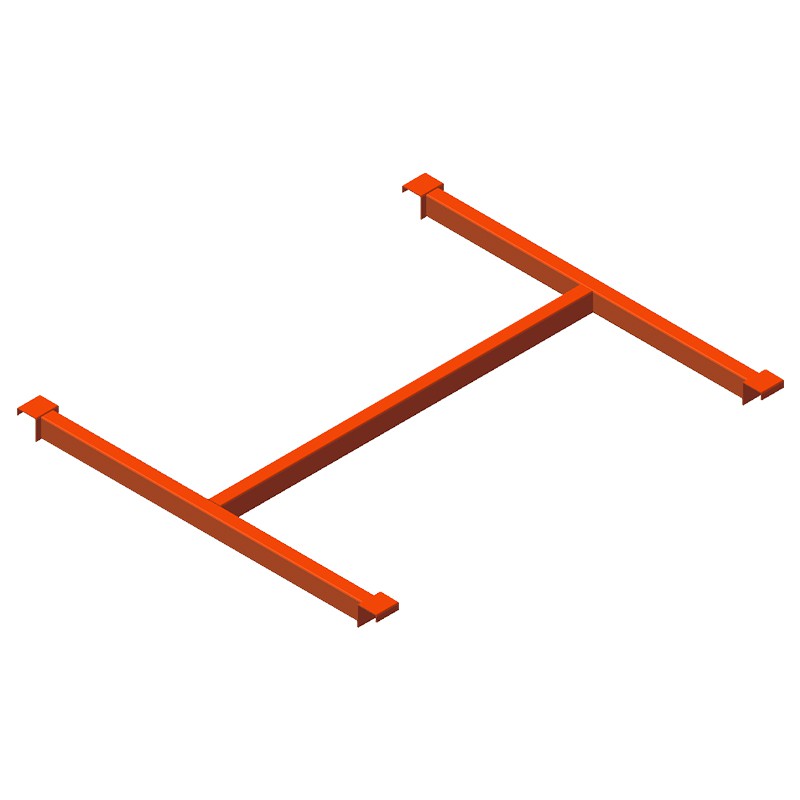
The upright frame bracing must be compatible with other components of the structure, such as Pallet Racking Beams, H Shape Pallet Support Bar, and safety pins like the 7.0mm L Shape Beam End Safety Pin. Compatibility ensures proper installation and functionality.
For example, the connection points between the bracing and the uprights, as well as between the bracing and other structural elements, need to be well - designed. The size, shape, and fastening methods of the components should match. Our company offers a comprehensive range of complementary products, and our technical team can provide guidance on ensuring compatibility between different parts of your project.
Cost - Effectiveness
Cost is always a significant factor in any project. When choosing upright frame bracing, you need to balance the initial cost with the long - term benefits. While high - quality bracing may have a higher upfront cost, it can save you money in the long run by reducing maintenance and replacement costs.
Consider the total cost of ownership, which includes the cost of the bracing itself, installation costs, and maintenance costs over the lifespan of the structure. Cheaper materials or inferior designs may seem like a good deal at first, but they can lead to frequent repairs or even structural failures, which can be extremely costly.

Regulatory Compliance
Ensure that the upright frame bracing you choose complies with all relevant local, national, and international building codes and regulations. These codes are in place to ensure the safety and integrity of structures. Non - compliant bracing can lead to legal issues, fines, and most importantly, pose a risk to the safety of people using the building.
Our products are designed and manufactured to meet the highest industry standards and regulatory requirements. We stay up - to - date with the latest code changes and ensure that our bracing solutions are always compliant.
Ease of Installation
The ease of installation can have a significant impact on the overall project timeline and cost. Bracing that is easy to install can reduce labor costs and minimize disruptions to the project.
Look for bracing systems that come with clear installation instructions and are designed for straightforward assembly. Our company provides detailed installation guides and can also offer on - site support if needed. We understand that a smooth installation process is crucial for the success of your project.
Maintenance Requirements
Different types of upright frame bracing have different maintenance requirements. For example, steel bracing may require periodic inspections for corrosion, while wood bracing may need to be treated for pests and rot.
Choose bracing that fits your maintenance capabilities and budget. Our products are designed to be low - maintenance, but we also provide recommendations on how to keep them in optimal condition over time.
In conclusion, choosing the right type of upright frame bracing for your project requires careful consideration of load capacity, structural design, material selection, compatibility with other components, cost - effectiveness, regulatory compliance, ease of installation, and maintenance requirements. As a trusted supplier of upright frame bracing, we are committed to helping you make the best choice for your project. If you have any questions or need further information, or if you're ready to start discussing your project's specific needs, please don't hesitate to contact us. We look forward to working with you to ensure the success of your project.
References
- Building Codes and Standards: Various local and national building code organizations.
- Engineering Textbooks on Structural Design: Such as "Structural Analysis" and "Design of Steel Structures".
- Industry Reports on Upright Frame Bracing: Published by industry research firms.


