

Hey there! As a supplier of pallet racking beams, I often get asked by warehouse owners and managers, "How do I figure out the number of pallet racking beams I need for my warehouse?" Well, you've come to the right place. In this blog, I'll walk you through the process step by step, so you can make an informed decision.
Understanding Your Warehouse Space
First things first, you gotta take a good look at your warehouse. Measure the length, width, and height of the space. This will give you a clear idea of how much room you have to work with. You also need to consider any obstacles like columns, doors, or other equipment that might affect the layout of your pallet racking.
Let's say you have a warehouse that's 100 feet long, 50 feet wide, and 20 feet high. That's a decent amount of space, but you need to use it efficiently. You don't want to overcrowd the area or leave too much empty space between the racks.
Knowing Your Pallet Dimensions
Next, you need to know the size of the pallets you'll be using. Pallets come in different sizes, and the most common ones are 48 inches by 40 inches. But you might have custom-sized pallets, so make sure you measure them accurately.
The size of your pallets will determine the length of the beams you need. For example, if you're using standard 48-inch pallets, you'll probably need beams that are at least 48 inches long. But you might want to go a bit longer to give some extra space for loading and unloading.
Determining the Rack Configuration
There are different types of pallet rack configurations, such as selective racking, drive-in racking, and push-back racking. Each configuration has its own advantages and disadvantages, and the one you choose will depend on your specific needs.
- Selective Racking: This is the most common type of pallet racking. It allows for easy access to each pallet, and it's suitable for warehouses with a high turnover of products. In a selective racking system, you'll typically have two beams per level.
- Drive-In Racking: This type of racking is designed for high-density storage. It allows forklifts to drive directly into the racks to access the pallets. Drive-in racking usually has fewer beams per level compared to selective racking.
- Push-Back Racking: This is a more advanced type of racking that uses a series of nested carts to store pallets. It's great for storing large quantities of the same product. Push-back racking also has a different beam configuration compared to the other types.
Let's assume you're going with a selective racking system. This is a good choice if you need quick access to your pallets and you have a variety of products.
Calculating the Number of Levels
Once you've decided on the rack configuration, you need to determine the number of levels you want to have. This will depend on the height of your warehouse and the size of your pallets.
Let's say your warehouse is 20 feet high, and your pallets are 5 feet tall. You might want to have three or four levels of racking. But you also need to leave some space at the top for ventilation and to prevent the pallets from hitting the ceiling.
Figuring Out the Number of Bays
A bay is the space between two upright frames in a pallet racking system. To calculate the number of bays, you need to divide the length of your warehouse by the width of each bay.
Let's say your warehouse is 100 feet long, and each bay is 8 feet wide. You'll have 12.5 bays. Since you can't have half a bay, you'll need to round up to 13 bays.
Calculating the Number of Beams
Now that you know the number of levels and bays, you can calculate the number of beams you need. Remember, in a selective racking system, you typically have two beams per level per bay.
Let's say you have four levels and 13 bays. You'll need 4 (levels) x 13 (bays) x 2 (beams per level per bay) = 104 beams.
But wait, there's more! You also need to consider any additional beams you might need for things like end frames or for supporting the pallets better.
Additional Considerations
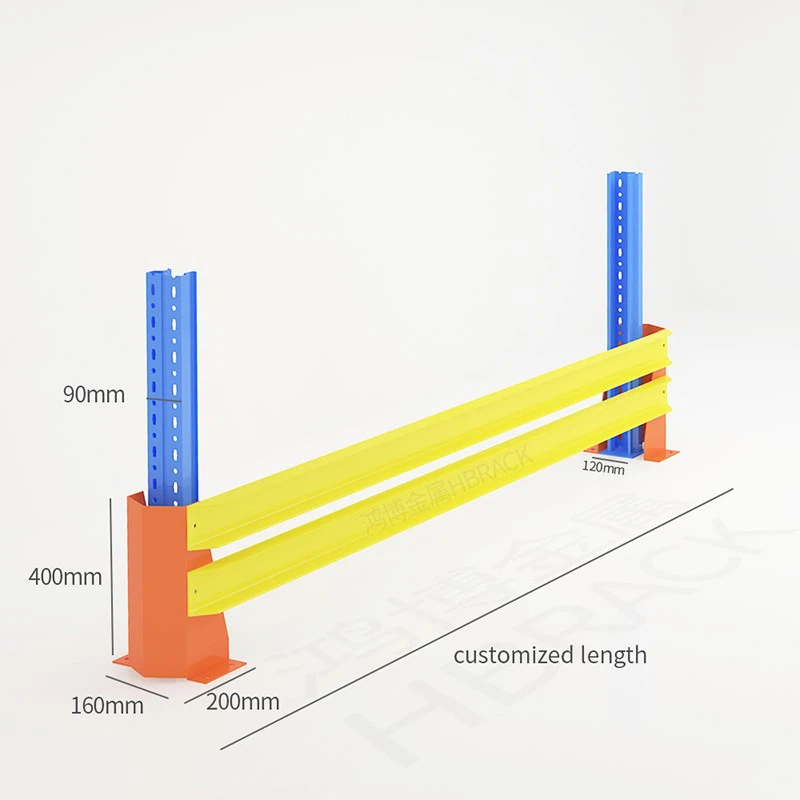
- End Frame Protector: You might want to install End Frame Protector to protect the ends of your racks from damage caused by forklifts or other equipment. These protectors can add some extra beams to your system.
- Ⅱ Shape Pallet Support Bar: Ⅱ Shape Pallet Support Bar can be used to provide additional support for your pallets. Depending on your needs, you might need to add some of these bars, which will also increase the number of beams.
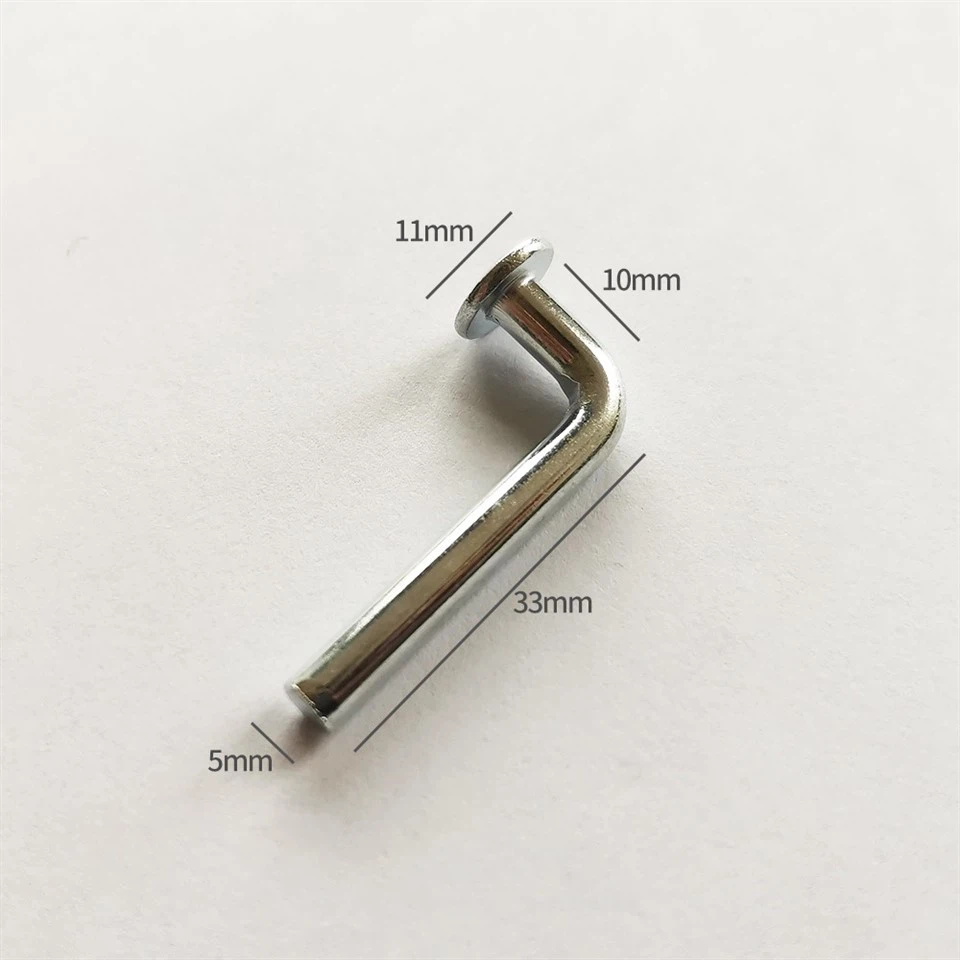
- 5.0mm L Shape Beam End Safety Pin: 5.0mm L Shape Beam End Safety Pin are used to secure the beams to the upright frames. You'll need to have enough of these pins for all your beams.
Safety First
When determining the number of pallet racking beams, it's important to prioritize safety. Make sure you follow all the safety guidelines and regulations. Overloading the racks can lead to accidents and damage to your products.
Also, consider the weight capacity of the beams. Different beams have different weight capacities, so make sure you choose the right ones for your pallets.
Conclusion
Figuring out the number of pallet racking beams for your warehouse might seem like a complicated task, but if you follow these steps, you'll be able to do it with ease. Remember to take into account your warehouse space, pallet dimensions, rack configuration, number of levels, and bays. And don't forget about the additional components like end frame protectors and pallet support bars.
If you're still not sure about how many beams you need, or if you have any other questions, don't hesitate to reach out. We're here to help you make the best decision for your warehouse. Whether you're setting up a new warehouse or upgrading an existing one, we can provide you with high-quality pallet racking beams and all the necessary accessories.
So, if you're ready to start optimizing your warehouse storage, let's get in touch and have a chat about your specific needs. We'll work together to come up with the perfect solution for you.
References
- Warehouse Storage Systems Handbook
- Pallet Racking Installation Guide


