

Forklifts are indispensable workhorses in warehouses and industrial settings, especially when it comes to handling goods stored on wire decking. However, operating forklifts around wire decking presents unique challenges that, if not properly addressed, can lead to accidents, damage to property, and even endanger the lives of workers. As a wire decking supplier, I understand the importance of ensuring safe forklift operations in these environments. In this blog post, I'll share some key strategies and best practices to help you maintain a safe working environment.
Understanding the Risks
Before delving into safety measures, it's crucial to understand the potential risks associated with forklift operations around wire decking. Wire decking is designed to provide a stable surface for storing pallets and goods on racking systems. However, its open design can pose hazards such as:
- Fork penetration: Forklifts' forks can accidentally penetrate the wire decking, causing damage to the decking and potentially leading to the collapse of stored goods.
- Tip - overs: The uneven weight distribution of loads on wire decking or improper forklift maneuvers can increase the risk of forklift tip - overs.
- Collision: Forklifts may collide with the wire decking or the racking system, damaging both the equipment and the storage structure.
Pre - operation Checks
Forklift Inspection
- Visual inspection: Before each shift, operators should conduct a thorough visual inspection of the forklift. Check for any signs of damage to the forks, mast, tires, and hydraulic systems. Ensure that the brakes, steering, and horn are in proper working condition.
- Load capacity: Confirm that the forklift's load capacity is suitable for the loads it will be handling on the wire decking. Overloading can increase the risk of tip - overs and damage to the decking.
Wire Decking Inspection
- Damage assessment: Regularly inspect the wire decking for any signs of damage, such as bent wires, broken welds, or loose connections. Damaged wire decking should be replaced immediately to prevent accidents.
- Proper installation: Ensure that the wire decking is correctly installed on the racking system. It should be securely fastened and level to provide a stable surface for the forklift to operate on.
Operator Training
Forklift Operation Skills
- Fork positioning: Train operators to position the forks correctly when picking up and depositing loads on the wire decking. The forks should be fully inserted under the pallet to ensure a stable lift.
- Maneuvering: Teach operators how to maneuver the forklift safely around the wire decking. This includes making smooth turns, avoiding sudden stops and starts, and maintaining a safe speed.
- Load stability: Operators should be trained to ensure that the load is stable on the forks before moving. Unstable loads can shift during transport, increasing the risk of accidents.
Awareness of Wire Decking
- Limitations: Educate operators about the limitations of wire decking. For example, they should know that wire decking has a maximum weight capacity and that certain types of loads may require additional support.
- Hazard recognition: Train operators to recognize potential hazards associated with wire decking, such as loose wires or uneven surfaces, and to take appropriate action.
Use of Safety Equipment
Forklift Attachments
- Fork extensions: In some cases, fork extensions can be used to increase the length of the forks, providing better support for longer or wider pallets on the wire decking.
- Load backrests: Load backrests can prevent loads from shifting backward and falling off the forks, reducing the risk of damage to the wire decking and the surrounding area.
Rack Protection Equipment
- Column guards: Install column guards on the racking system to protect the columns from forklift collisions. This can prevent damage to the racking structure and ensure the stability of the wire decking.
- Beam protectors: Beam protectors can be used to protect the beams of the racking system from forklift impacts, reducing the risk of damage to the wire decking.
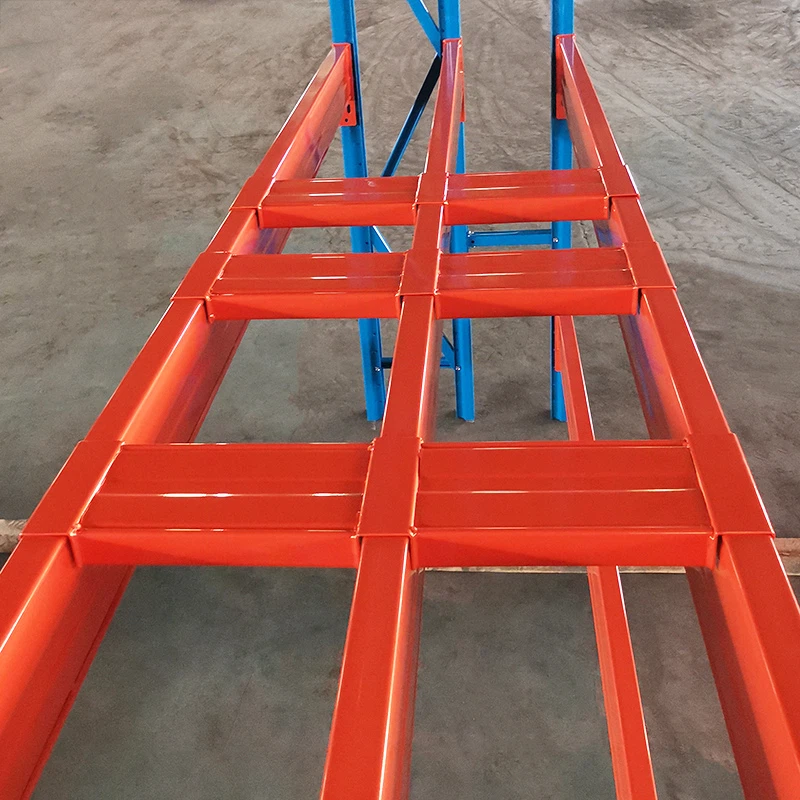
We also offer some high - quality rack parts that can enhance the safety of forklift operations around wire decking. For example, the Big Width Pallet Support Bar provides excellent support for pallets, reducing the stress on the wire decking. The Ⅱ Shape Pallet Support Bar is another great option, designed to improve the stability of the stored goods. And the 2 Inch Hole Step Beam End Safety Clip can ensure that the beams are securely attached to the uprights, preventing accidental disengagement.

Traffic Management
Designated Routes
- Establish clear routes: Designate specific forklift routes in the warehouse to minimize the risk of collisions with wire decking and other equipment. These routes should be clearly marked and easy for operators to follow.
- One - way traffic: Consider implementing one - way traffic flow in certain areas of the warehouse to reduce the likelihood of head - on collisions.
Signage and Markings
- Warning signs: Place warning signs near wire decking areas to alert forklift operators of potential hazards. These signs can include information about load limits, speed limits, and the proper use of the wire decking.
- Floor markings: Use floor markings to indicate the boundaries of the wire decking areas, forklift lanes, and pedestrian walkways. This can help operators and pedestrians stay in their designated areas and avoid accidents.
Emergency Preparedness
Emergency Response Plan
- Develop a plan: Create an emergency response plan that outlines the steps to be taken in the event of an accident involving a forklift and wire decking. This plan should include procedures for evacuating the area, providing first aid, and reporting the incident.
- Training: Train all employees on the emergency response plan and conduct regular drills to ensure that they are familiar with the procedures.
Spare Parts and Repairs
- Stock spare parts: Keep a supply of spare parts for the wire decking and forklift on hand to minimize downtime in the event of damage. This can include replacement wires, clips, and forks.
- Repair procedures: Establish clear repair procedures for damaged wire decking and forklift equipment. Ensure that only qualified personnel are responsible for making repairs.
Conclusion
Ensuring safe forklift operations around wire decking requires a comprehensive approach that includes pre - operation checks, operator training, the use of safety equipment, traffic management, and emergency preparedness. By implementing these strategies, you can minimize the risk of accidents, protect your employees and property, and maintain a productive working environment.
As a wire decking supplier, I am committed to providing high - quality products and solutions to enhance the safety of your warehouse operations. If you have any questions or need further information about our wire decking or related products, please don't hesitate to contact us for procurement and negotiation.
References
- OSHA (Occupational Safety and Health Administration). Forklift safety standards.
- Industrial Truck Association. Best practices for forklift operations in warehouses.
- Warehouse Equipment Manufacturers Association. Guidelines for the installation and use of wire decking.


