

As a supplier of Wide Aisle Adjustable Pallet Racking, I've witnessed firsthand the challenges and opportunities that come with optimizing warehouse storage. In this blog, I'll share some practical strategies to help you make the most of the storage capacity of your wide aisle adjustable pallet racking.
Understanding Wide Aisle Adjustable Pallet Racking
Before diving into optimization strategies, it's essential to understand the features and benefits of wide aisle adjustable pallet racking. This type of racking system is characterized by its wide aisles, typically ranging from 10 to 12 feet, which allow for easy access to pallets using forklifts or other material handling equipment. The adjustable nature of the racking means that the height and spacing of the shelves can be customized to accommodate different pallet sizes and weights.
One of the key advantages of wide aisle adjustable pallet racking is its flexibility. It can be easily reconfigured to adapt to changes in inventory volume, product mix, or warehouse layout. This makes it a popular choice for warehouses with diverse storage needs or those that experience frequent changes in their operations.
Assessing Your Storage Needs
The first step in maximizing the storage capacity of your wide aisle adjustable pallet racking is to assess your storage needs. This involves understanding the types of products you store, their dimensions, weights, and turnover rates. By analyzing this data, you can determine the most efficient way to arrange your pallets on the racking system.

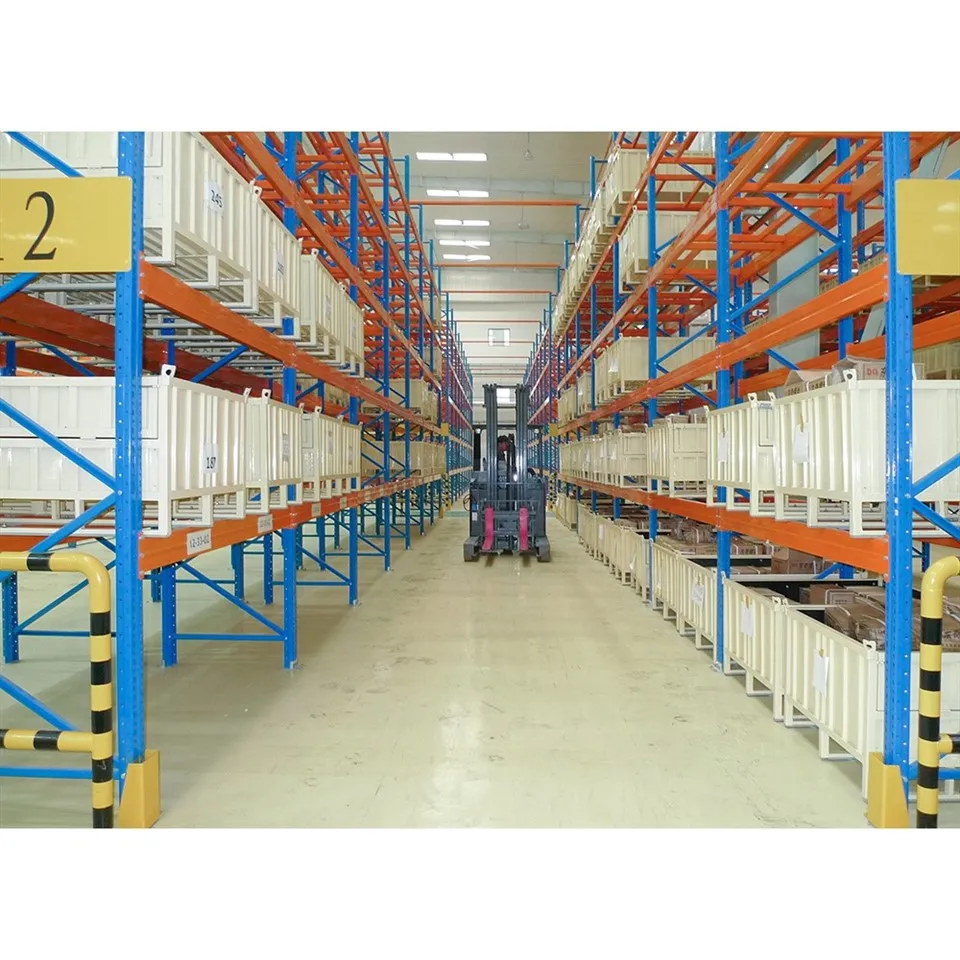
For example, if you have a large number of small, lightweight pallets, you may be able to stack them higher on the racking to make better use of vertical space. On the other hand, if you have heavy or bulky pallets, you may need to use wider shelves or lower levels to ensure stability and safety.
It's also important to consider the turnover rate of your products. Fast-moving items should be stored in easily accessible locations, such as near the front of the racking or on lower levels. This will reduce the time and effort required to retrieve these items, improving overall warehouse efficiency.
Optimizing Pallet Placement
Once you have a clear understanding of your storage needs, the next step is to optimize the placement of your pallets on the racking system. There are several strategies you can use to achieve this:
- Use a First-In, First-Out (FIFO) System: This is a common inventory management strategy that ensures the oldest products are used or sold first. By storing pallets in a FIFO order, you can reduce the risk of product spoilage or obsolescence.
- Group Similar Products Together: Storing similar products together can make it easier to locate and retrieve them. This can also improve the efficiency of your picking operations, as workers can move from one product group to another without having to search the entire warehouse.
- Utilize Vertical Space: Wide aisle adjustable pallet racking allows you to make use of vertical space by stacking pallets higher. However, it's important to ensure that the racking system is designed to support the weight of the pallets and that the stacking height is within the safe limits.
- Leave Adequate Aisle Space: While it's important to maximize storage capacity, you also need to leave enough aisle space for forklifts and other material handling equipment to operate safely. This will prevent accidents and ensure smooth traffic flow in the warehouse.
Implementing a Slotting Strategy
A slotting strategy involves assigning specific locations on the racking system to different products based on their characteristics and storage requirements. This can help you optimize the use of space and improve the efficiency of your picking operations.
When implementing a slotting strategy, consider the following factors:
- Product Size and Weight: Larger and heavier products should be stored on lower levels or wider shelves to ensure stability. Smaller and lighter products can be stored on higher levels or narrower shelves.
- Turnover Rate: Fast-moving items should be stored in easily accessible locations, while slow-moving items can be stored in less accessible areas.
- Order Frequency: Products that are frequently ordered together should be stored in close proximity to each other to reduce the time and effort required to pick them.
- Seasonal Demand: If you have products that are in high demand during certain seasons, you may need to adjust your slotting strategy accordingly to ensure they are easily accessible.
Maintaining Your Racking System
Regular maintenance is essential to ensure the safety and efficiency of your wide aisle adjustable pallet racking. Here are some tips to help you maintain your racking system:
- Inspect the Racking Regularly: Conduct regular inspections of the racking system to check for any signs of damage or wear. This includes checking for bent or broken beams, loose connections, and signs of corrosion.
- Repair or Replace Damaged Components: If you notice any damage to the racking system, it's important to repair or replace the damaged components as soon as possible. This will prevent further damage and ensure the safety of your workers and inventory.
- Keep the Racking Clean: Regularly clean the racking system to remove any dirt, debris, or spills. This will prevent corrosion and ensure the smooth operation of the racking.
- Train Your Workers: Provide your workers with proper training on how to use the racking system safely and efficiently. This includes training on how to load and unload pallets, how to operate forklifts and other material handling equipment, and how to identify and report any safety hazards.
Conclusion
Maximizing the storage capacity of your wide aisle adjustable pallet racking requires a combination of careful planning, strategic placement, and regular maintenance. By following the strategies outlined in this blog, you can optimize the use of space in your warehouse, improve the efficiency of your operations, and reduce costs.
If you're interested in learning more about our Heavy Duty Rack for Warehouse, Euro Pallet Storage Adjustable Pallet Racking Systems, or 75mm Pitch Selective Pallet Racking, please don't hesitate to contact us. We'd be happy to discuss your specific storage needs and help you find the best solution for your warehouse.
References
- Warehouse Management Handbook, Second Edition by Edward Frazelle
- Lean Warehouse: How to Use Flow, Value Stream Mapping, and Visual Management to Create a World-Class Warehouse by Mark R. Share
- Storage and Material Handling Systems: Design and Operation by John A. White, III


