

Selecting the right modulus for rack and pinion parts is a crucial decision that can significantly impact the performance, efficiency, and longevity of mechanical systems. As a rack parts supplier, I understand the complexities involved in this process and the importance of making informed choices. In this blog post, I'll share some insights and guidelines to help you select the most suitable modulus for your specific applications.
Understanding Modulus in Rack and Pinion Systems
Before delving into the selection process, it's essential to understand what modulus represents in rack and pinion systems. Modulus (m) is a fundamental parameter that defines the size of the teeth on the rack and pinion. It is calculated as the ratio of the pitch diameter (d) of the pinion to the number of teeth (z), expressed by the formula (m = \frac{d}{z}). In simpler terms, the modulus determines the size of the teeth, with larger moduli corresponding to larger teeth.
The modulus plays a vital role in determining the load - carrying capacity, transmission efficiency, and backlash of the rack and pinion system. A well - chosen modulus ensures smooth and efficient power transmission, reduces wear and tear, and minimizes noise and vibration.
Factors to Consider When Selecting Modulus
Load Requirements
One of the primary factors to consider when selecting the modulus is the load that the rack and pinion system will need to handle. The load can be classified into static load (the force acting on the system when it is at rest) and dynamic load (the force acting during operation, which may include acceleration, deceleration, and impact forces).
For heavy - load applications, a larger modulus is generally preferred. Larger teeth can withstand higher forces without excessive wear or deformation. For example, in industrial machinery such as cranes or large - scale manufacturing equipment, where significant loads are involved, a modulus of 5 or higher might be appropriate. On the other hand, for light - load applications like in some precision instruments or small robotic systems, a smaller modulus, such as 1 or 2, may be sufficient.
Precision and Accuracy
The required precision and accuracy of the system also influence the modulus selection. In applications where high precision is crucial, such as in CNC machines or optical equipment, a smaller modulus is often used. Smaller teeth allow for more precise positioning and reduced backlash. Backlash is the clearance between the teeth of the rack and pinion, which can cause errors in positioning. A smaller modulus can help minimize this clearance, resulting in more accurate movement.
However, it's important to note that smaller modulus teeth may have lower load - carrying capacity. Therefore, a balance must be struck between precision and load - handling requirements.
Speed of Operation
The speed at which the rack and pinion system operates is another critical factor. High - speed applications require a carefully selected modulus to ensure smooth and efficient operation. At high speeds, larger teeth may cause more vibration and noise due to the increased impact forces between the teeth.
For high - speed applications, a medium - sized modulus is often a good choice. It provides a reasonable balance between load - carrying capacity and the ability to operate smoothly at high speeds. Additionally, proper lubrication and tooth profile design are also essential for high - speed rack and pinion systems.
Space Constraints
The available space in the mechanical system can also limit the choice of modulus. In some applications, there may be limited room for the rack and pinion components. In such cases, a smaller modulus may be necessary to fit the components within the available space. However, this may require careful consideration of the load and performance requirements to ensure that the system can still function effectively.
Application - Specific Considerations
Industrial Automation
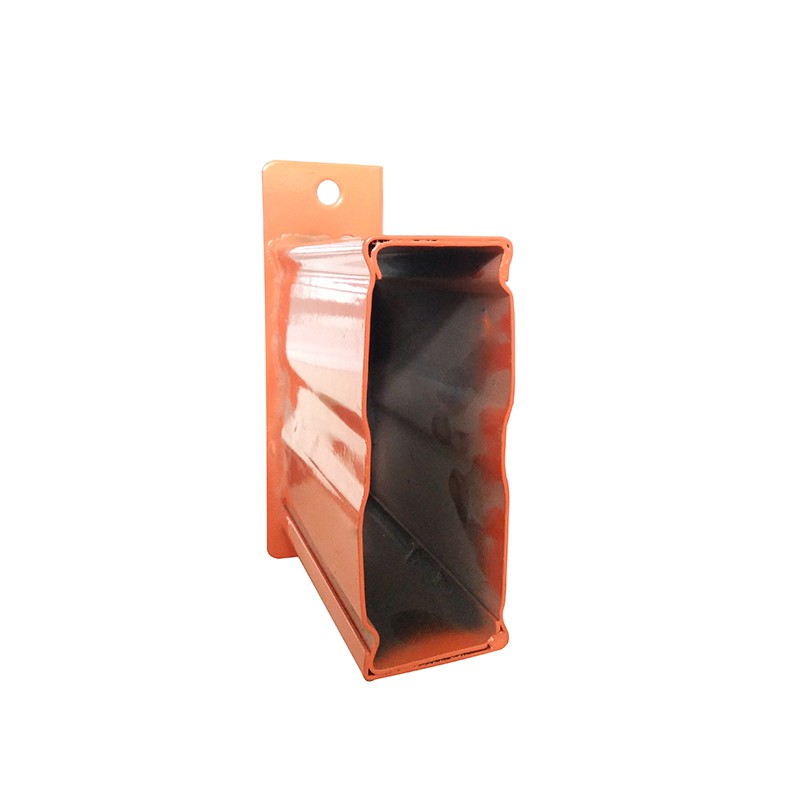
In industrial automation, rack and pinion systems are widely used for linear motion control. For example, in conveyor systems, the modulus selection depends on the weight of the conveyed materials and the speed of the conveyor. If the conveyor is used to transport heavy pallets, a larger modulus may be required. You can find suitable rack parts for pallet handling applications, such as Pallet Racking Beams, which are designed to withstand the specific loads and requirements of pallet handling.
Robotics
Robotic systems often require high precision and flexibility. Smaller moduli are commonly used in robotic arms and end - effectors to achieve precise movements. However, as robots are increasingly being used for heavy - duty tasks, larger moduli may also be necessary in some cases. For example, in robotic welding or material handling robots that need to lift heavy objects, a larger modulus can ensure the system's reliability and durability.

Automotive Industry
In the automotive industry, rack and pinion steering systems are a common application. The modulus selection in this case is influenced by factors such as the vehicle's size, weight, and steering requirements. Larger vehicles typically require a larger modulus to handle the higher steering forces. The modulus also affects the steering feel and responsiveness of the vehicle.
Step - by - Step Modulus Selection Process
Step 1: Define the Application Requirements
Clearly define the load, speed, precision, and space requirements of your application. Consider factors such as the type of motion (linear or rotary), the frequency of operation, and the environmental conditions.
Step 2: Calculate the Load
Determine the static and dynamic loads that the rack and pinion system will experience. This may involve considering factors such as the weight of the moving parts, the forces generated during acceleration and deceleration, and any external forces acting on the system.
Step 3: Estimate the Required Modulus
Based on the load requirements, precision needs, and speed of operation, estimate the appropriate range of moduli. You can refer to industry standards and guidelines or consult with an experienced engineer or rack parts supplier.
Step 4: Check for Space Constraints
Ensure that the selected modulus can fit within the available space in your mechanical system. If space is limited, you may need to adjust your modulus selection or consider alternative designs.
Step 5: Evaluate the Tooth Profile
The tooth profile of the rack and pinion also affects the system's performance. Common tooth profiles include involute and cycloidal. The involute profile is widely used due to its simplicity and good meshing characteristics. Evaluate the tooth profile in conjunction with the modulus to ensure optimal performance.
Step 6: Consider Material and Heat Treatment
The material and heat treatment of the rack and pinion parts can significantly impact their strength and durability. Select appropriate materials based on the load requirements and environmental conditions. Heat treatment can improve the hardness and wear resistance of the parts, especially for high - load applications.
Conclusion
Selecting the right modulus for rack and pinion parts is a multi - faceted process that requires careful consideration of various factors. As a rack parts supplier, I am committed to providing high - quality rack and pinion components that meet your specific requirements. Whether you need Ⅱ Shape Pallet Support Bar for your pallet handling system or Big Width Pallet Support Bar for heavy - duty applications, we have the expertise and products to assist you.
If you're in the process of selecting rack and pinion parts or need advice on modulus selection, I encourage you to reach out. Our team of experts is ready to help you make the best choices for your mechanical systems. Contact us today to start the procurement and negotiation process.
References
- Budynas, R. G., & Nisbett, J. K. (2011). Shigley's Mechanical Engineering Design. McGraw - Hill.
- Spotts, M. F., Shoup, T. E., & Taborek, J. J. (2004). Design of Machine Elements. Prentice Hall.
- ISO 53:1998, Cylindrical gears - Modules.


