

Hey there! As a push - back pallet racking supplier, I often get asked about the inspection procedures for this type of racking. It's super important to keep these racks in tip - top shape to ensure safety and efficiency in your warehouse. So, let's dive right into it.
Pre - inspection Preparation
Before we start the actual inspection, there are a few things we need to do. First off, gather all the necessary tools. You'll need a measuring tape, a level, a flashlight, and a good old - fashioned clipboard with a checklist. This checklist should cover all the key areas we're going to inspect.
Next, make sure the area around the push - back pallet racking is clear. Remove any pallets, debris, or equipment that could get in the way. Safety is our number one priority, so it's also a good idea to wear appropriate personal protective equipment (PPE), like safety glasses and steel - toed boots.
Structural Inspection
Let's start with the structural components of the push - back pallet racking. The upright frames are the backbone of the system, so we need to give them a thorough once - over. Look for any signs of damage, such as bent or broken uprights. Even a small bend can compromise the integrity of the entire rack. Use the measuring tape to check if the uprights are still plumb. They should be perfectly vertical, and any deviation could indicate a problem.
The horizontal beams are also crucial. Check for cracks, dents, or any signs of excessive wear. The connections between the beams and the uprights should be tight. You can give them a gentle shake to see if there's any looseness. If you notice any issues, it's best to address them right away.
Another important part of the structure is the base plates. These plates anchor the uprights to the floor. Make sure they're firmly attached and that there are no signs of corrosion or damage. If the base plates are loose or damaged, the rack could become unstable.
Rollers and Tracks Inspection
The rollers and tracks are what make the push - back pallet racking system work. They allow the pallets to move in and out smoothly. Start by inspecting the rollers. Check for any signs of wear, such as flat spots or excessive play. The rollers should rotate freely without any resistance. If you find a roller that's not working properly, it might need to be replaced.
The tracks that the rollers run on also need to be inspected. Look for any debris or obstructions that could prevent the pallets from moving freely. The tracks should be straight and free from any damage. A damaged track can cause the pallets to jam, which can be a real headache.
Safety Features Inspection
Safety features are a must - have in any push - back pallet racking system. One of the most important safety features is the pallet stops. These stops prevent the pallets from rolling out of the rack unexpectedly. Check to make sure they're in place and functioning correctly. They should be able to hold the weight of the pallets without any issues.

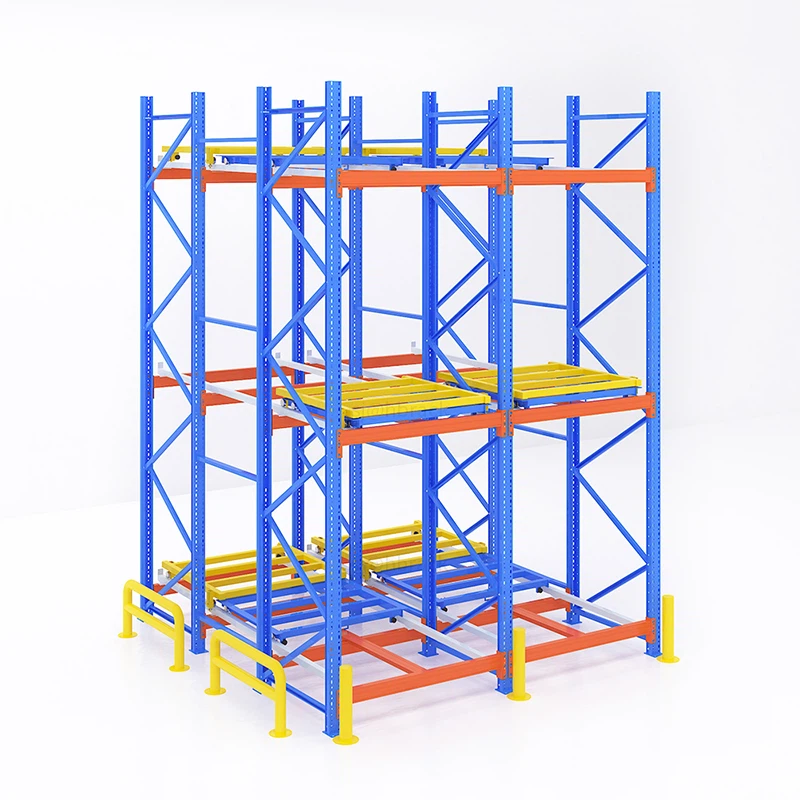
Another safety feature is the load backstops. These are designed to prevent the pallets from falling backwards. Inspect them for any signs of damage or wear. They should be securely attached to the rack.
The rack guards are also important. They protect the rack from damage caused by forklifts or other equipment. Check for any dents or bends in the rack guards. If they're damaged, they might not be able to provide the necessary protection.
Operational Inspection
Once we've checked all the structural and safety components, it's time to do an operational inspection. This involves actually moving the pallets in and out of the rack. Start by loading a few pallets onto the rack. Pay attention to how the pallets move. They should slide smoothly along the rollers and tracks. If you notice any jams or resistance, there could be an issue with the rollers, tracks, or the alignment of the pallets.
Observe the push - back mechanism. It should be able to push the pallets back into the rack without any problems. If the mechanism is sluggish or doesn't work at all, it might need to be adjusted or repaired.
Documentation and Maintenance
After the inspection, it's important to document the findings. Write down any issues you found, along with the date of the inspection. This documentation can be useful for future reference and can help you keep track of the maintenance history of the rack.
Based on the inspection results, create a maintenance plan. If you found any minor issues, like a loose connection or a worn - out roller, you can address them right away. For more serious problems, such as a bent upright or a damaged track, you might need to call in a professional for repairs.
Regular maintenance is key to keeping your push - back pallet racking in good condition. Set a schedule for future inspections and maintenance tasks. This will help you prevent any major problems from occurring and ensure the long - term safety and efficiency of your racking system.
Conclusion
So, there you have it - the inspection procedures for push - back pallet racking. By following these steps, you can ensure that your racking system is safe, efficient, and functioning properly. If you're in the market for a Push Back Racking System, we've got you covered. We offer a wide range of options, including Two Pallet Deep Push Back Racking and Three Pallet Deep Push Back Pallet Racks.
If you have any questions or are interested in purchasing our push - back pallet racking, feel free to reach out. We're here to help you find the perfect solution for your warehouse needs.
References
- Warehouse Safety Guidelines for Pallet Racking Systems
- Manufacturer's Manuals for Push - Back Pallet Racking


