

Hey there! As a wire decking supplier, I've seen firsthand the wear-and-tear issues that can crop up in high-traffic areas. Wire decking is a popular choice for storage solutions, especially in warehouses and distribution centers. It's durable, allows for good air circulation, and is relatively easy to install. But when it comes to high-traffic areas, there are some specific challenges that can lead to problems over time.

Abrasion and Scratching
One of the most common wear-and-tear issues with wire decking in high-traffic areas is abrasion and scratching. When pallets are constantly being moved on and off the decking, the friction can cause the surface of the wires to wear down. This not only affects the appearance of the decking but can also weaken the structure over time. Scratches can also create a starting point for rust and corrosion, which can further compromise the integrity of the decking.
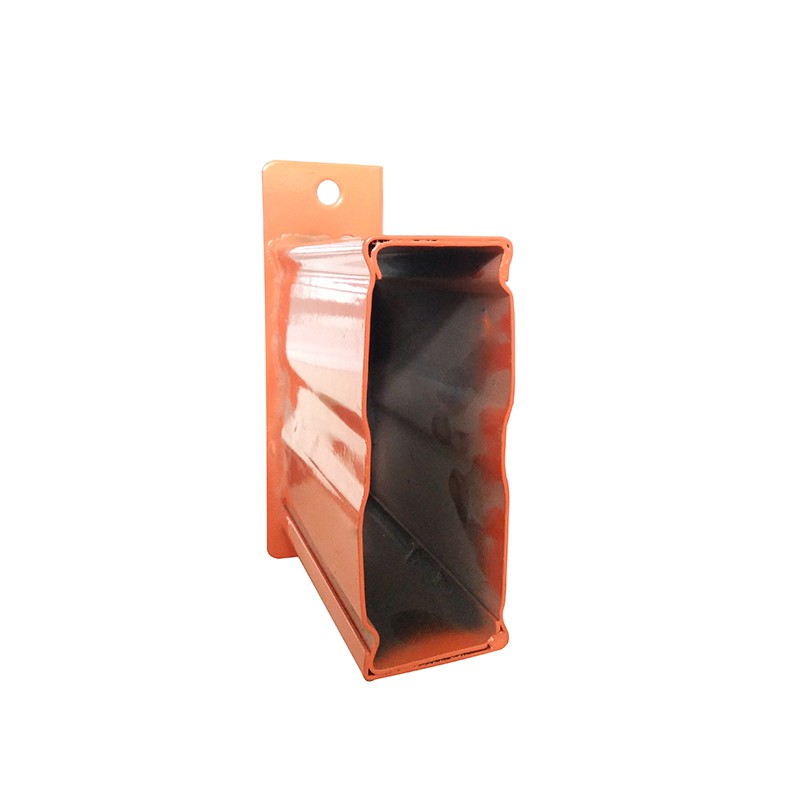
To minimize abrasion and scratching, it's important to choose a wire decking with a high-quality finish. Galvanized wire decking is a great option as it provides a protective layer that resists corrosion and wear. Additionally, using pallet guides or Pallet Racking Beams can help to keep pallets centered on the decking, reducing the amount of rubbing and scratching.
Impact Damage
In high-traffic areas, there's always a risk of impact damage to wire decking. Forklifts, pallet jacks, and other equipment can accidentally hit the decking, causing dents, bends, or even breaks in the wires. This can not only damage the decking but also pose a safety hazard if the wires are sharp or protruding.
To prevent impact damage, it's a good idea to install End Frame Protector at the ends of the racking. These protectors act as a buffer, absorbing the impact of any collisions and preventing damage to the wire decking. Additionally, training employees on proper equipment operation and safety procedures can help to reduce the risk of accidents.
Rust and Corrosion
Another major wear-and-tear issue in high-traffic areas is rust and corrosion. Wire decking is typically made of steel, which is prone to rusting when exposed to moisture. In high-traffic areas, there may be more opportunities for water or other liquids to come into contact with the decking, such as from spills or cleaning operations.
To prevent rust and corrosion, it's important to choose a wire decking with a corrosion-resistant finish. As mentioned earlier, galvanized wire decking is a good option, but there are also other finishes available, such as powder coating. Regular cleaning and maintenance can also help to remove any dirt or debris that may trap moisture and lead to rusting.
Overloading
Overloading is a common problem in high-traffic areas, especially when there's a lot of pressure to maximize storage space. When wire decking is overloaded, it can cause the wires to bend or break, leading to structural failure. This can not only damage the decking but also pose a serious safety risk.
To avoid overloading, it's important to know the weight capacity of the wire decking and to follow the manufacturer's guidelines. Using Steel Shelf or other storage solutions in combination with wire decking can also help to distribute the weight more evenly and reduce the risk of overloading.
Fatigue
In high-traffic areas, wire decking is constantly being subjected to stress and strain as pallets are loaded and unloaded. Over time, this can cause the wires to fatigue and weaken, leading to cracks or breaks. Fatigue is more likely to occur in areas where the decking is frequently loaded and unloaded, such as near the front of the racking.
To prevent fatigue, it's important to choose a wire decking with a high strength-to-weight ratio. Additionally, regular inspections can help to identify any signs of fatigue early on, allowing for timely repairs or replacement.
Solutions and Maintenance Tips
Now that we've discussed some of the common wear-and-tear issues with wire decking in high-traffic areas, let's talk about some solutions and maintenance tips.
- Regular Inspections: Conduct regular inspections of the wire decking to look for signs of wear, damage, or corrosion. This can help to identify problems early on and prevent them from getting worse.
- Cleaning and Maintenance: Keep the wire decking clean and dry to prevent rust and corrosion. Use a mild detergent and water to clean the decking, and avoid using abrasive cleaners or tools that could scratch the surface.
- Repairs and Replacements: If you notice any damage to the wire decking, such as dents, bends, or breaks, it's important to repair or replace the affected sections as soon as possible. This can help to prevent further damage and ensure the safety of the storage system.
- Proper Installation: Make sure the wire decking is installed correctly according to the manufacturer's instructions. This can help to ensure that the decking is properly supported and can withstand the weight of the pallets.
- Employee Training: Train employees on proper equipment operation and safety procedures to reduce the risk of accidents and damage to the wire decking.
Conclusion
In conclusion, wire decking is a great choice for storage solutions in high-traffic areas, but it's important to be aware of the wear-and-tear issues that can occur. By choosing a high-quality wire decking, taking preventive measures, and performing regular maintenance, you can extend the lifespan of the decking and ensure the safety and efficiency of your storage system.
If you're in the market for wire decking or have any questions about wear-and-tear issues, feel free to reach out. We're here to help you find the right solution for your needs and to ensure that your storage system is in top condition.
References
- "Warehouse Storage Solutions: Best Practices for Wire Decking." Industry Insights Magazine, 2022.
- "Preventing Wear and Tear in High-Traffic Storage Areas." Storage Solutions Journal, 2021.
- "The Importance of Proper Maintenance for Wire Decking." Warehouse Management Review, 2020.


