

Can upright frame bracing be used in bridges? That's a question I often get asked as a supplier of upright frame bracing. And the short answer is yes, it can! But let's dive deeper into this topic and explore the ins and outs of using upright frame bracing in bridge construction.
First off, let's talk about what upright frame bracing is. It's basically a structural component that provides support and stability to frames. In the context of storage racks, it helps prevent the frames from swaying or collapsing under load. But its applications aren't limited to just storage racks. In bridge construction, stability is of utmost importance. Bridges need to withstand a variety of forces, including the weight of traffic, wind, and seismic activity. Upright frame bracing can play a crucial role in enhancing the structural integrity of a bridge.
One of the key advantages of using upright frame bracing in bridges is its ability to distribute loads evenly. When a bridge is under stress, the bracing helps transfer the forces from one part of the structure to another. This reduces the risk of localized stress points, which can lead to premature failure. For example, during high - wind events, the bracing can help keep the bridge frame stable by dissipating the wind forces across the structure.
Another benefit is its flexibility. Upright frame bracing can be customized to fit different bridge designs. Whether it's a small pedestrian bridge or a large highway bridge, the bracing can be adjusted in terms of size, shape, and material to meet the specific requirements of the project. This adaptability makes it a versatile solution for bridge engineers.
Now, let's talk about the types of upright frame bracing that can be used in bridges. There are several options available, including diagonal bracing, cross - bracing, and knee bracing. Diagonal bracing is one of the most common types. It consists of diagonal members that connect the vertical and horizontal elements of the frame. This type of bracing is very effective in resisting lateral forces, such as those caused by wind or seismic activity.
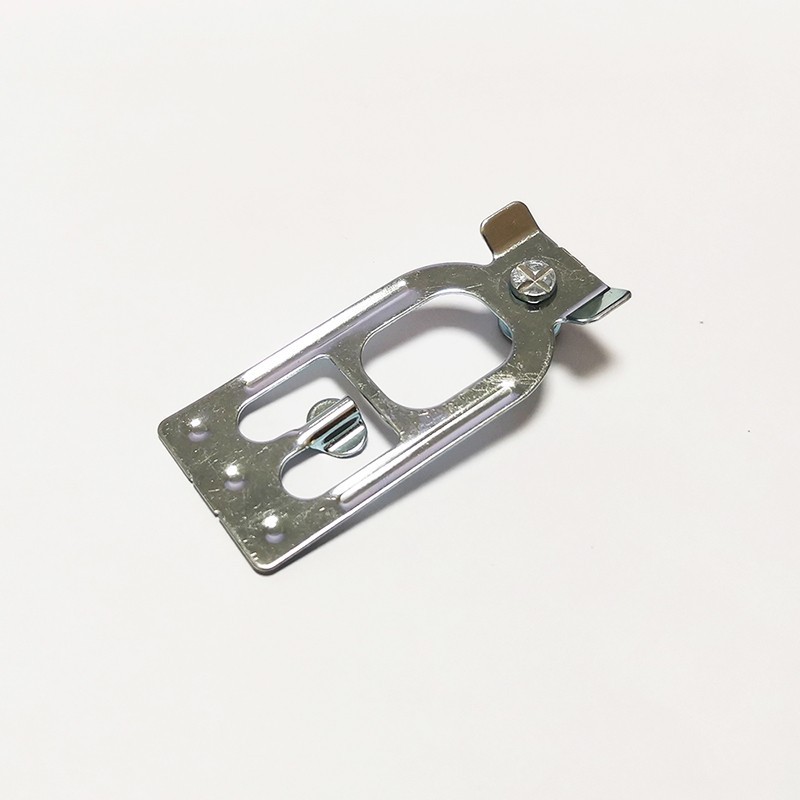

Cross - bracing, as the name suggests, involves two diagonal members that cross each other. This creates a more rigid structure and provides additional support against both lateral and vertical forces. Knee bracing, on the other hand, is used to support the joints between the vertical and horizontal members. It helps reduce the bending moments at these joints, which can improve the overall stability of the bridge.
When it comes to materials, steel is often the preferred choice for upright frame bracing in bridges. Steel is strong, durable, and can withstand high levels of stress. It also has good corrosion resistance, which is important for bridges that are exposed to the elements. However, other materials such as aluminum or composite materials can also be used, depending on the specific requirements of the project.
But using upright frame bracing in bridges isn't without its challenges. One of the main challenges is the installation process. Bridge construction is a complex and time - consuming process, and installing the bracing requires careful planning and coordination. The bracing needs to be installed at the right angles and with the correct tension to ensure its effectiveness.
Another challenge is the maintenance. Over time, the bracing can be subject to wear and tear, especially in harsh environmental conditions. Regular inspections and maintenance are necessary to ensure that the bracing remains in good condition and continues to provide the necessary support.
Despite these challenges, the benefits of using upright frame bracing in bridges far outweigh the drawbacks. It's a proven solution that can enhance the safety and durability of bridges.
If you're involved in bridge construction, you might also be interested in some of the related products we offer. For example, we have the 2 Inch Hole Step Beam End Safety Clip. This clip is designed to provide an extra layer of safety by securing the beam ends. It's a simple yet effective solution that can help prevent beam dislodgment, which is crucial for the stability of the bridge structure.
We also offer the Round Tube End Frame Protector. This protector helps prevent damage to the frame ends, which can occur due to impacts or environmental factors. By protecting the frame ends, it can extend the lifespan of the bridge structure.
And don't forget about Wire Decking. While it's commonly used in storage racks, it can also have applications in bridge construction. Wire decking can provide a stable surface for pedestrians or light vehicles, and it can also help with drainage on the bridge deck.
In conclusion, upright frame bracing is a viable option for use in bridges. It offers many benefits in terms of stability, load distribution, and flexibility. If you're considering using upright frame bracing in your next bridge project, I'd be more than happy to discuss your requirements and provide you with the best solutions. Whether you need advice on the type of bracing, the installation process, or the maintenance, I'm here to help. Feel free to reach out and start a conversation about how we can work together to make your bridge project a success.
References
- "Structural Engineering Handbook" by S. C. Patil
- "Bridge Engineering" by S. K. Singh
- Various industry reports on bridge construction and structural bracing


