

Hey there! As a wire decking supplier, I've seen firsthand how important it is to properly ground wire decking. Not only does it enhance safety, but it also helps prevent damage to your stored goods and the decking itself. In this blog post, I'll walk you through the steps of grounding wire decking, share some tips, and tell you about some of the great products we offer that can complement your grounded wire decking setup.
Why Ground Wire Decking?
Before we dive into the how-to, let's talk about why grounding wire decking is a big deal. When you're dealing with a warehouse full of metal racking and wire decking, there's always a risk of static electricity buildup. This static charge can attract dust and debris, which might contaminate your stored products. More importantly, in environments where flammable materials are present, a static spark could potentially lead to a fire or explosion. Grounding wire decking provides a safe path for static electricity to dissipate, reducing these risks significantly.
Step 1: Gather Your Materials
First things first, you'll need to gather the necessary materials to ground your wire decking. Here's a list of what you'll typically need:
- Grounding conductors: These are usually made of copper or aluminum and are used to connect the wire decking to the grounding system.
- Grounding clamps: These clamps are used to securely attach the grounding conductors to the wire decking and the grounding point.
- A grounding rod: This is driven into the ground to provide a connection to the earth.
- A grounding meter: This tool is used to test the effectiveness of the grounding system.
Step 2: Identify the Grounding Point
The next step is to identify a suitable grounding point. This could be an existing grounding system in your facility, such as a building's electrical grounding system or a dedicated grounding rod. Make sure the grounding point is properly installed and has a low resistance to the earth. You can use a grounding meter to test the resistance of the grounding point. If the resistance is too high, you may need to install additional grounding rods or take other measures to improve the grounding.
Step 3: Attach the Grounding Conductors
Once you've identified the grounding point, it's time to attach the grounding conductors to the wire decking. Start by cleaning the areas on the wire decking where you'll be attaching the grounding clamps. This will ensure a good electrical connection. Then, use the grounding clamps to attach the grounding conductors to the wire decking. Make sure the clamps are tightened securely to prevent any loose connections.
Next, run the grounding conductors from the wire decking to the grounding point. You can use cable ties or other fasteners to secure the conductors along the way. Make sure the conductors are routed in a way that they won't be damaged by forklifts, pallets, or other equipment in the warehouse.
Step 4: Connect to the Grounding Rod
If you're using a grounding rod, you'll need to connect the grounding conductors to it. First, drive the grounding rod into the ground to a depth of at least 8 feet. Make sure the rod is vertical and firmly in place. Then, use a grounding clamp to attach the grounding conductors to the grounding rod. Again, make sure the clamp is tightened securely.
Step 5: Test the Grounding System
After you've completed the grounding installation, it's important to test the grounding system to make sure it's working properly. Use a grounding meter to measure the resistance between the wire decking and the grounding point. The resistance should be within the acceptable range specified by local electrical codes. If the resistance is too high, you may need to check the connections, clean the contact points, or add additional grounding conductors.
Tips for Grounding Wire Decking
- Regular maintenance: Periodically check the grounding system to make sure the connections are still secure and the conductors are in good condition. Over time, vibrations, corrosion, and other factors can cause the connections to loosen or the conductors to deteriorate.
- Use quality materials: Invest in high-quality grounding conductors, clamps, and grounding rods. Using cheap or substandard materials can lead to poor grounding performance and increase the risk of electrical problems.
- Follow local codes: Make sure you follow all local electrical codes and regulations when grounding your wire decking. These codes are in place to ensure the safety of your facility and its occupants.
Complementary Products for Your Wire Decking Setup
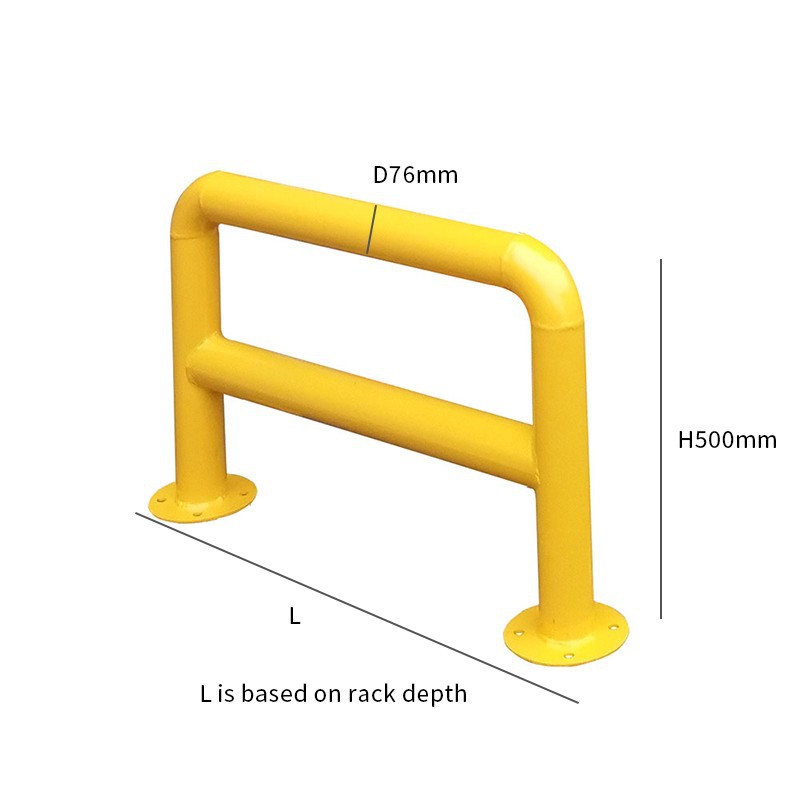
At our company, we offer a range of products that can complement your grounded wire decking setup. For example, our Ⅱ Shape Pallet Support Bar provides additional support for pallets on the wire decking, helping to prevent sagging and damage. Our Round Tube End Frame Protector helps protect the end frames of the wire decking from damage caused by forklifts and other equipment. And our H Shape Pallet Support Bar offers even more support for heavy pallets.

Conclusion
Grounding wire decking is an important step in ensuring the safety and functionality of your warehouse storage system. By following the steps outlined in this blog post and using high-quality materials, you can effectively ground your wire decking and reduce the risk of static electricity buildup and other electrical problems. And if you're looking for complementary products to enhance your wire decking setup, be sure to check out our Ⅱ Shape Pallet Support Bar, Round Tube End Frame Protector, and H Shape Pallet Support Bar.
If you have any questions about grounding wire decking or are interested in purchasing our products, feel free to reach out to us. We're here to help you create a safe and efficient warehouse storage solution.
References
- National Fire Protection Association (NFPA) 70: National Electrical Code
- Occupational Safety and Health Administration (OSHA) regulations related to electrical safety


