

Hey there! As a supplier of rack parts, I've seen firsthand how important it is to keep these parts clean. Not only does it extend their lifespan, but it also ensures they function properly and safely. In this blog, I'll share some tips on how to clean rack parts effectively.
Why Cleaning Rack Parts Matters
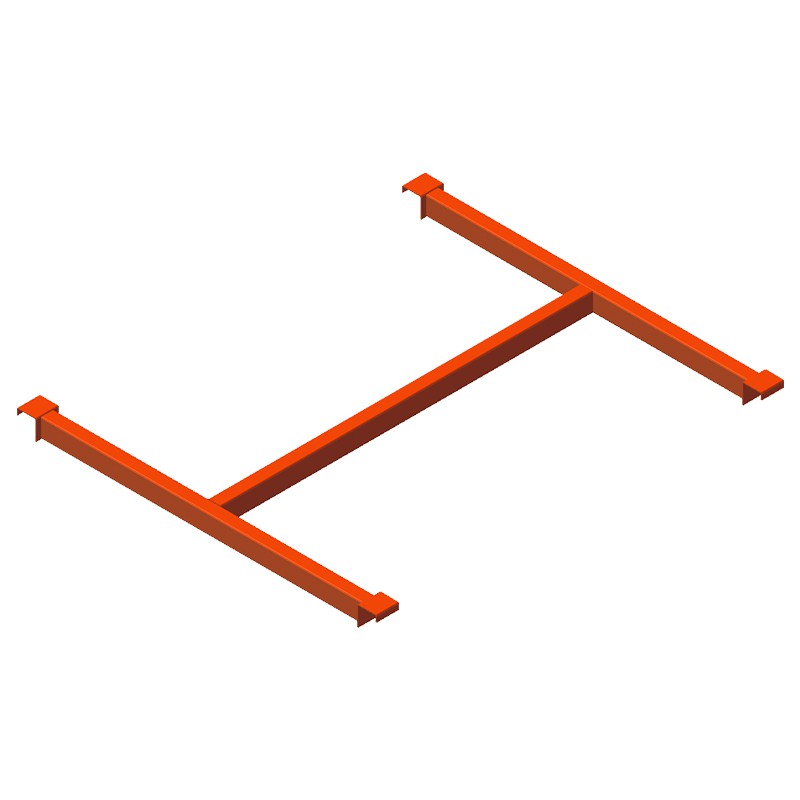
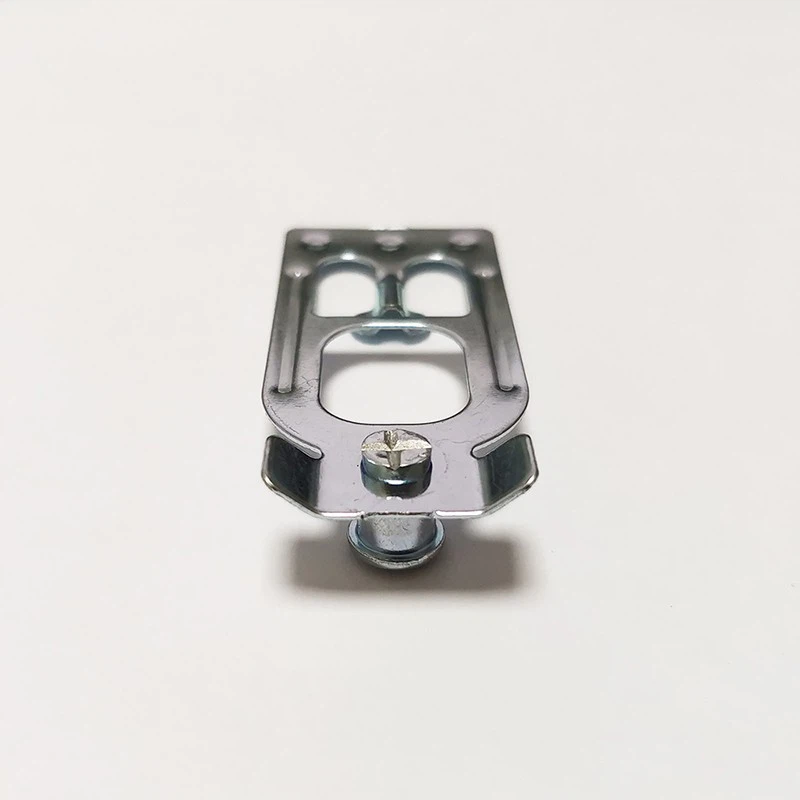
Before we dive into the cleaning methods, let's talk about why cleaning rack parts is so crucial. Rack parts, such as H Shape Pallet Support Bar, 2 Inch Hole Step Beam End Safety Clip, and End Frame Protector, are often exposed to dust, dirt, grease, and other contaminants in industrial settings. Over time, these contaminants can build up and cause several problems:
- Corrosion and Rust: Dirt and moisture can accelerate the corrosion process, leading to rust on metal rack parts. Rust weakens the structural integrity of the parts and can cause them to fail prematurely.
- Reduced Functionality: Accumulated dirt and debris can interfere with the proper functioning of moving parts, such as safety clips and adjustable components. This can lead to malfunctions and potentially dangerous situations.
- Safety Hazards: Greasy or slippery surfaces on rack parts can pose a slip and fall hazard for workers. Additionally, dirty parts may not provide the necessary support or stability, increasing the risk of rack collapse.
Pre - Cleaning Preparation
Before you start cleaning your rack parts, it's important to take some preparatory steps:
- Safety First: Wear appropriate personal protective equipment (PPE), such as gloves, safety glasses, and a dust mask. This will protect you from any chemicals, sharp edges, or flying debris.
- Inspect the Parts: Take a close look at the rack parts to identify any signs of damage, such as cracks, bends, or excessive wear. If you find any damaged parts, it's best to replace them rather than trying to clean them.
- Remove Loose Debris: Use a brush or a compressed air gun to remove any loose dirt, dust, or debris from the parts. This will make the subsequent cleaning process more effective.
Cleaning Methods for Different Types of Rack Parts
Metal Rack Parts
Most rack parts are made of metal, and they require special care when cleaning. Here are some effective cleaning methods for metal rack parts:
- Detergent and Water: For light dirt and grime, a simple solution of mild detergent and water can do the trick. Mix a small amount of detergent in a bucket of warm water and use a sponge or a soft - bristled brush to scrub the parts. Rinse the parts thoroughly with clean water and dry them with a clean cloth.
- Degreasers: If the metal parts are greasy, you'll need to use a degreaser. There are many commercial degreasers available on the market, or you can make your own using household ingredients like vinegar and baking soda. Apply the degreaser to the greasy areas, let it sit for a few minutes, and then scrub with a brush. Rinse and dry the parts as before.
- Rust Removal: If you notice rust on the metal parts, you can use a rust remover. There are chemical rust removers that you can apply according to the manufacturer's instructions. For light rust, you can also try using a mixture of lemon juice and salt. Scrub the rusty areas with the mixture, then rinse and dry.
Plastic and Rubber Parts
Plastic and rubber rack parts, such as some types of end caps or gaskets, require a gentler cleaning approach:
- Mild Soap Solution: Mix a small amount of mild soap in warm water. Use a soft cloth or a sponge to wipe the plastic or rubber parts. Avoid using abrasive cleaners or brushes, as they can scratch or damage the surface.
- Avoid Harsh Chemicals: Certain chemicals can cause plastic and rubber to deteriorate. Stay away from solvents, bleach, and strong acids or alkalis.
Coated Parts
Some rack parts may have a special coating, such as powder - coating or paint. When cleaning coated parts:
- Gentle Cleaning: Use a mild detergent and water solution and a soft - bristled brush or a microfiber cloth. Avoid scrubbing too hard, as this can damage the coating.
- Check for Coating Damage: After cleaning, inspect the coating for any signs of peeling or chipping. If you find any damage, it may be necessary to recoat the part to protect it from corrosion.
Drying and Maintenance
After cleaning the rack parts, it's essential to dry them thoroughly. Moisture left on the parts can lead to rust and corrosion. You can use a clean, dry cloth to wipe the parts, or you can let them air - dry in a well - ventilated area.
Once the parts are dry, you can apply a light coat of lubricant to moving parts, such as hinges and safety clips, to ensure smooth operation. Regularly inspect the cleaned parts for any signs of dirt or damage and clean them as needed.
Frequency of Cleaning
The frequency of cleaning your rack parts depends on several factors, such as the environment in which they are used and the level of contamination. In a dirty or dusty industrial environment, it may be necessary to clean the parts monthly or even more frequently. In a cleaner environment, quarterly cleaning may be sufficient.
Conclusion
Cleaning rack parts effectively is an important part of maintaining a safe and efficient warehouse or industrial facility. By following the steps outlined above, you can keep your H Shape Pallet Support Bar, 2 Inch Hole Step Beam End Safety Clip, End Frame Protector, and other rack parts in top - notch condition.
If you're looking for high - quality rack parts or need more advice on their maintenance, feel free to reach out. We're here to help you with all your rack part needs and ensure your operations run smoothly.
References
- "Industrial Rack Safety Manual" - A comprehensive guide on rack safety and maintenance.
- Manufacturer's instructions for rack parts, which often include cleaning and maintenance guidelines.


