

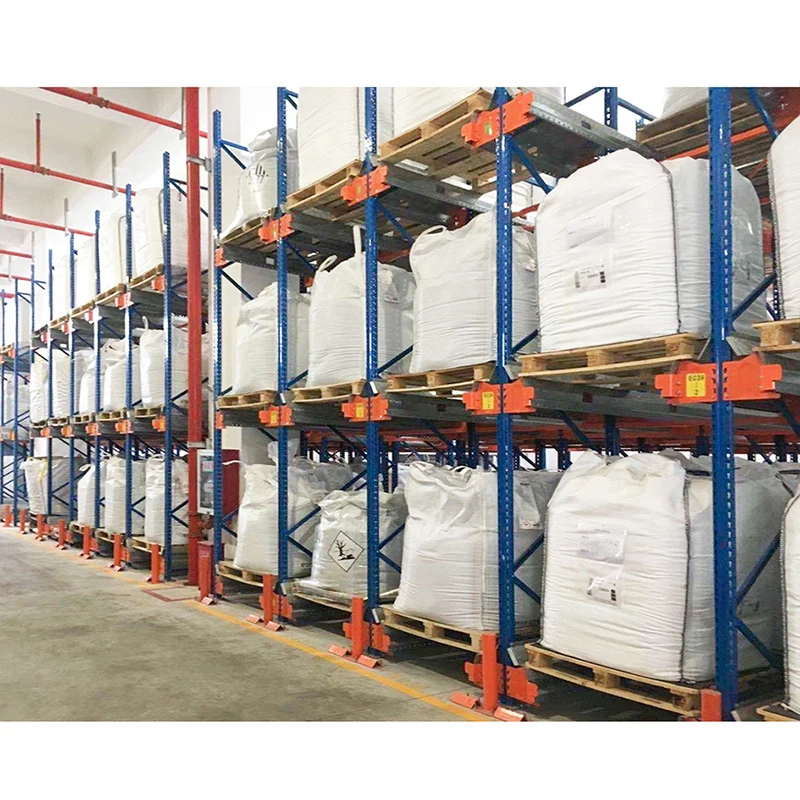
As a supplier of the Radio Shuttle Racking System, I understand the importance of enhancing its anti - corrosion performance. The Radio Shuttle Racking System is a highly efficient storage solution that has been widely used in various industries. However, corrosion can significantly reduce its lifespan and performance, leading to increased maintenance costs and potential safety hazards. In this blog, I will share some effective ways to enhance the anti - corrosion performance of the Radio Shuttle Racking System.
Understanding the Causes of Corrosion
Before we discuss how to enhance anti - corrosion performance, it's crucial to understand the causes of corrosion. Corrosion is a natural process that occurs when metal reacts with its environment. In the case of the Radio Shuttle Racking System, several factors can contribute to corrosion: - Moisture: High humidity levels or direct contact with water can accelerate the corrosion process. Warehouses located in coastal areas or regions with high rainfall are particularly susceptible. - Chemical Exposure: Exposure to chemicals such as acids, alkalis, and salts can also cause corrosion. For example, if the warehouse stores chemicals or is in an industrial area with chemical pollution, the racking system may be at risk. - Temperature Fluctuations: Extreme temperature changes can cause expansion and contraction of the metal, leading to cracks and crevices where moisture and chemicals can accumulate, promoting corrosion.
Surface Treatment
One of the most effective ways to enhance the anti - corrosion performance of the Radio Shuttle Racking System is through proper surface treatment. There are several surface treatment methods available, each with its own advantages: - Hot - Dip Galvanizing: Hot - dip galvanizing is a process where the steel is dipped into a bath of molten zinc. The zinc forms a protective layer on the surface of the steel, preventing corrosion. This method provides excellent long - term protection, especially in outdoor or harsh environments. The zinc layer acts as a sacrificial anode, corroding first to protect the underlying steel. - Powder Coating: Powder coating involves applying a dry powder to the surface of the racking system and then baking it to form a hard, protective finish. Powder coating can provide a wide range of colors and finishes, and it is resistant to scratches, chemicals, and UV rays. It also has good adhesion to the metal surface, ensuring long - lasting protection. - Electroplating: Electroplating is a process where a thin layer of metal, such as chromium or nickel, is deposited onto the surface of the steel using an electric current. Electroplating can improve the appearance of the racking system and provide some degree of corrosion resistance. However, it may not be as effective as hot - dip galvanizing or powder coating in harsh environments.
Environmental Control
Controlling the environment where the Radio Shuttle Racking System is installed can also help to reduce the risk of corrosion. Here are some environmental control measures: - Humidity Control: Maintaining a stable humidity level in the warehouse can significantly reduce the risk of corrosion. Using dehumidifiers or air - conditioning systems can help to keep the humidity within an acceptable range. Ideally, the relative humidity in the warehouse should be kept below 60%. - Ventilation: Proper ventilation is essential to remove moisture and chemicals from the air. Installing exhaust fans or ventilation systems can help to improve air circulation and reduce the concentration of corrosive substances in the warehouse. - Chemical Management: If the warehouse stores chemicals, it's important to store them properly and ensure that they are not in direct contact with the racking system. Using chemical - resistant storage containers and implementing spill prevention measures can help to protect the racking system from chemical damage.

Regular Inspection and Maintenance
Regular inspection and maintenance are crucial to ensure the long - term anti - corrosion performance of the Radio Shuttle Racking System. Here are some inspection and maintenance tips: - Visual Inspection: Conduct regular visual inspections of the racking system to check for signs of corrosion, such as rust spots, discoloration, or flaking paint. If any signs of corrosion are detected, take immediate action to address the issue. - Cleaning: Keep the racking system clean by removing dirt, dust, and debris regularly. Use a mild detergent and water to clean the surface of the racking system, and avoid using abrasive cleaners that can damage the protective coating. - Repair and Touch - Up: If any damage to the protective coating is detected, repair it immediately. For minor damage, touch - up paint can be used to restore the protective layer. For more severe damage, it may be necessary to re - coat the affected area or replace the damaged parts.
Material Selection
The choice of materials for the Radio Shuttle Racking System can also have a significant impact on its anti - corrosion performance. Here are some material selection considerations: - Stainless Steel: Stainless steel is a corrosion - resistant material that contains chromium, which forms a passive oxide layer on the surface of the metal, preventing corrosion. Using stainless steel for critical components of the racking system can provide excellent long - term corrosion resistance, especially in high - humidity or chemical - exposed environments. - High - Quality Steel: Even if stainless steel is not used, choosing high - quality steel with a low carbon content and good mechanical properties can help to improve the anti - corrosion performance of the racking system. High - quality steel is less likely to corrode and can better withstand environmental stress.
Conclusion
Enhancing the anti - corrosion performance of the Radio Shuttle Racking System is essential to ensure its long - term reliability and safety. By implementing proper surface treatment, environmental control, regular inspection and maintenance, and careful material selection, you can significantly reduce the risk of corrosion and extend the lifespan of the racking system.
If you are interested in our Radio Shuttle Racking System, Semi Auto Storage Warehouse Racking System, or FIFO and FILO High Density Storage Shuttle Racking System, please feel free to contact us for more information and to discuss your specific requirements. We are committed to providing high - quality racking solutions with excellent anti - corrosion performance to meet your storage needs.
References
- Jones, D. A. (1992). Principles and Prevention of Corrosion. Prentice Hall.
- Uhlig, H. H., & Revie, R. W. (1985). Corrosion and Corrosion Control: An Introduction to Corrosion Science and Engineering. Wiley.
- ASTM International. (2019). Standards for Corrosion Testing and Evaluation. ASTM International.