

Hey there! As a supplier of Upright Frame Bracing, I've been thinking a lot about the environmental impacts of the materials we use. It's a topic that's not only important for our planet but also for the long - term sustainability of our business. So, let's dive right in and explore this together.

First off, let's talk about the most common materials used for Upright frame bracing. Steel is by far the most popular choice. It's strong, durable, and can withstand a lot of weight and pressure. But steel production has some serious environmental drawbacks.
The process of making steel starts with mining iron ore. This mining activity can cause significant damage to the environment. It often leads to deforestation as large areas of land are cleared to access the ore. This, in turn, disrupts ecosystems and reduces biodiversity. Animals lose their habitats, and plants that are part of the local ecosystem are destroyed.
Once the iron ore is mined, it needs to be transported to the steel mills. This transportation requires a lot of energy, usually in the form of fossil fuels. Trucks, trains, and ships burn diesel or other fuels, which release greenhouse gases like carbon dioxide (CO₂) into the atmosphere. These emissions contribute to global warming and climate change.
At the steel mill, the iron ore is processed into steel. This is an energy - intensive process. High - temperature furnaces are used to melt the ore, and a lot of electricity is consumed. Most of the electricity around the world still comes from non - renewable sources like coal - fired power plants. These plants are major emitters of CO₂, sulfur dioxide (SO₂), and particulate matter. SO₂ can cause acid rain, which is harmful to forests, lakes, and buildings. Particulate matter can cause respiratory problems in humans and animals.
Another issue with steel is its end - of - life disposal. While steel is recyclable, not all of it gets recycled. A significant amount of steel waste ends up in landfills. In landfills, steel can rust over time, and the rust can leach into the soil and groundwater, potentially contaminating them.
Now, let's consider some alternative materials that are more environmentally friendly. One option is aluminum. Aluminum has a lower density than steel, which means that products made from it are lighter. This can reduce the energy required for transportation. Also, aluminum production has a lower carbon footprint compared to steel production. However, the extraction of aluminum from bauxite ore also has environmental impacts. Bauxite mining can cause soil erosion and water pollution.
There are also composite materials that are being explored for upright frame bracing. Composites are made by combining two or more different materials to get the best properties of each. For example, a composite might combine a strong fiber like carbon fiber with a resin. These materials can be very strong and lightweight. They also have the potential to be more energy - efficient to produce. However, the recycling of composite materials is still a challenge, and their production often involves the use of chemicals that can be harmful to the environment.
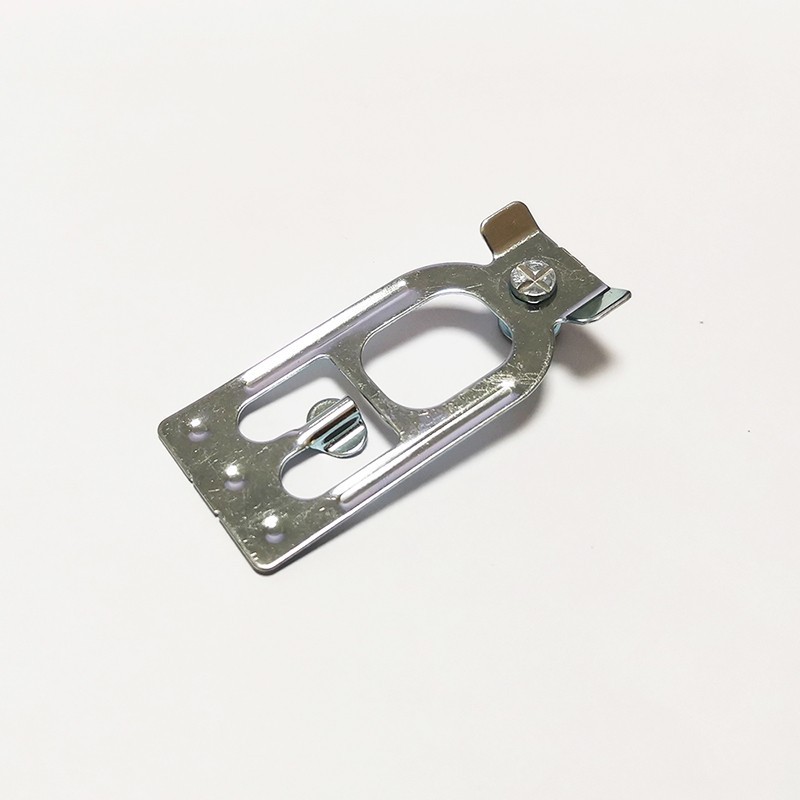
When it comes to the environmental impacts of the components related to upright frame bracing, take the 2 Inch Hole Step Beam End Safety Clip as an example. If it's made of steel, it shares the same environmental issues as the uprights themselves. The production, transportation, and disposal of these clips can all contribute to environmental degradation.
Similarly, the Ⅱ Shape Pallet Support Bar has its own environmental story. If it's a steel bar, it adds to the overall environmental burden of the upright frame bracing system. The manufacturing process, from raw material extraction to the final product, requires energy and resources and can have negative impacts on the environment.
As a supplier, I'm aware of these environmental challenges, and I'm always looking for ways to reduce our impact. One thing we're doing is promoting the recycling of our products. We encourage our customers to return old upright frame bracing materials to us so that we can recycle them properly. Recycling steel, for example, uses much less energy than producing new steel from iron ore. It can save up to 75% of the energy required for primary steel production.

We're also exploring the use of more sustainable materials in our products. We're in talks with research institutions to see if we can develop new composite materials that are both strong and environmentally friendly. These new materials could potentially reduce the carbon footprint of our upright frame bracing systems.
Another step we're taking is optimizing our production processes. We're looking at ways to reduce energy consumption in our factories. This could involve using more energy - efficient equipment, improving insulation in our buildings, and better managing our production schedules to reduce idle time.
In addition, we're educating our customers about the environmental impacts of our products. We want them to be informed consumers who can make choices that are better for the environment. We provide information on our website about the materials we use, their environmental impacts, and what can be done to reduce those impacts.

If you're in the market for upright frame bracing materials, I encourage you to consider the environmental aspects. You can play a part in reducing the environmental impact by choosing products that are made from recycled materials or more sustainable materials. And if you have any old materials, don't just throw them away. Look for ways to recycle them.
We're always here to help. If you have any questions about our products, the environmental impacts, or if you're interested in starting a procurement discussion, feel free to reach out. We're committed to providing high - quality upright frame bracing materials while also doing our part to protect the environment.
Let's work together to make a difference for our planet. Whether you're a small business or a large corporation, every choice you make can have an impact. So, let's choose wisely and build a more sustainable future.
References
- World Steel Association. (2023). Environmental Impact of Steel Production.
- Aluminum Association. (2023). Sustainability in Aluminum Production.
- Composite Materials Research Institute. (2023). Challenges and Opportunities in Composite Recycling.


