

As a supplier of Push Back Racking Systems, I understand the importance of ensuring the smooth operation of these systems in a warehouse environment. A well - functioning Push Back Racking System can significantly enhance storage density, improve inventory management, and increase overall operational efficiency. In this blog, I will share some key strategies and best practices to guarantee the seamless operation of a Push Back Racking System.
1. Proper Installation
The first step in ensuring the smooth operation of a Push Back Racking System is proper installation. This process should be carried out by experienced professionals who are well - versed in the specific requirements of the system.
- Site Assessment: Before installation, a thorough site assessment is essential. The floor must be level and able to support the weight of the racking system and the stored pallets. Any unevenness in the floor can lead to misalignment of the racking components, which may cause jams and other operational issues. For example, if the floor has a slope greater than the recommended tolerance, the pallets may not move smoothly along the rails.
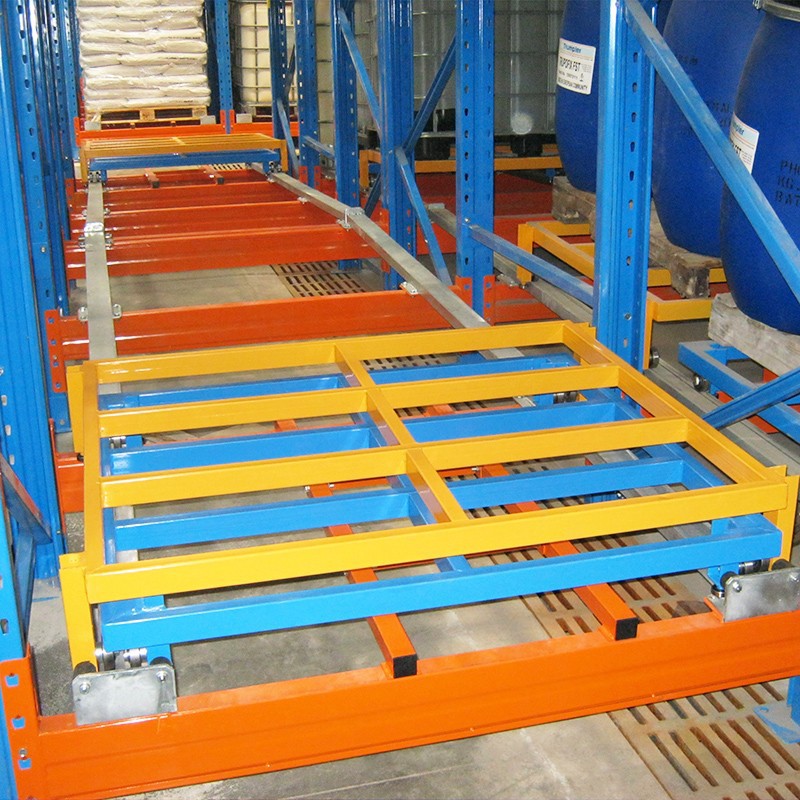
- Component Assembly: Each component of the Push Back Racking System, such as frames, beams, and rollers, must be assembled accurately according to the manufacturer's instructions. Incorrect assembly can result in weak structural integrity and reduced functionality. For instance, if the rollers are not properly aligned, the pallets may not roll back and forth freely, leading to blockages in the system.
- Safety Checks: After installation, comprehensive safety checks should be conducted. This includes verifying the stability of the racking, the proper functioning of all moving parts, and the presence of necessary safety features such as guardrails and load backstops. You can learn more about the structure and components of a Push Back Pallet Rack System.
2. Regular Maintenance
Regular maintenance is crucial for the long - term smooth operation of a Push Back Racking System.
- Inspection Schedule: Establish a regular inspection schedule to check for signs of wear and tear, damage, or misalignment. This can be done on a weekly, monthly, or quarterly basis depending on the usage intensity of the system. For example, in a high - volume warehouse, a weekly visual inspection may be necessary to catch any emerging issues early.
- Lubrication: The moving parts of the Push Back Racking System, such as rollers and wheels, should be lubricated regularly. Lubrication reduces friction, extends the lifespan of the components, and ensures smooth movement of the pallets. Use a high - quality lubricant recommended by the manufacturer and apply it according to the specified intervals.
- Component Replacement: If any components are found to be damaged or worn beyond repair during the inspection, they should be replaced immediately. Delaying component replacement can lead to further damage to the system and may even cause safety hazards. For example, a broken roller can cause a pallet to get stuck, which can then damage other parts of the racking when force is applied to dislodge it.
3. Operator Training
Well - trained operators are essential for the smooth operation of a Push Back Racking System.
- Initial Training: Provide comprehensive initial training to all operators who will be using the system. The training should cover the basic principles of the Push Back Racking System, how to load and unload pallets safely, and how to operate any associated equipment such as forklifts. For example, operators should be taught the correct way to position the forklift when loading a pallet into the rack to avoid damaging the system.
- Refresher Training: Conduct regular refresher training sessions to reinforce safe operating practices and to keep operators updated on any changes or improvements to the system. Refresher training can also address any common mistakes or issues that have been observed in the operation of the system.
- Safety Awareness: Emphasize safety awareness during training. Operators should be aware of the potential hazards associated with the Push Back Racking System, such as the risk of pallets falling or the system collapsing if overloaded. They should also know how to respond in case of an emergency.
4. Load Management
Proper load management is another key factor in ensuring the smooth operation of a Push Back Racking System.
- Load Capacity: Ensure that the pallets stored in the Push Back Racking System do not exceed the specified load capacity. Overloading can cause structural damage to the racking, misalignment of the components, and increased wear on the moving parts. Each level of the racking system may have a different load capacity, so operators should be aware of these limits.
- Pallet Size and Condition: Use pallets that are of the correct size and in good condition. Pallets that are too large or too small may not fit properly in the Push Back Racking System, leading to jams and operational disruptions. Damaged pallets can also cause problems, such as getting stuck in the system or damaging the racking components. For example, a pallet with a broken board may catch on the rollers and prevent smooth movement.
- Inventory Management: Implement an effective inventory management system to ensure that the pallets are stored in an organized manner. This can help prevent overcrowding in the Push Back Racking System and make it easier to access the required pallets. For example, use a first - in, last - out (FILO) inventory management method, which is well - suited for Push Back Racking Systems.
5. System Design Optimization
The design of the Push Back Racking System should be optimized to meet the specific needs of the warehouse.
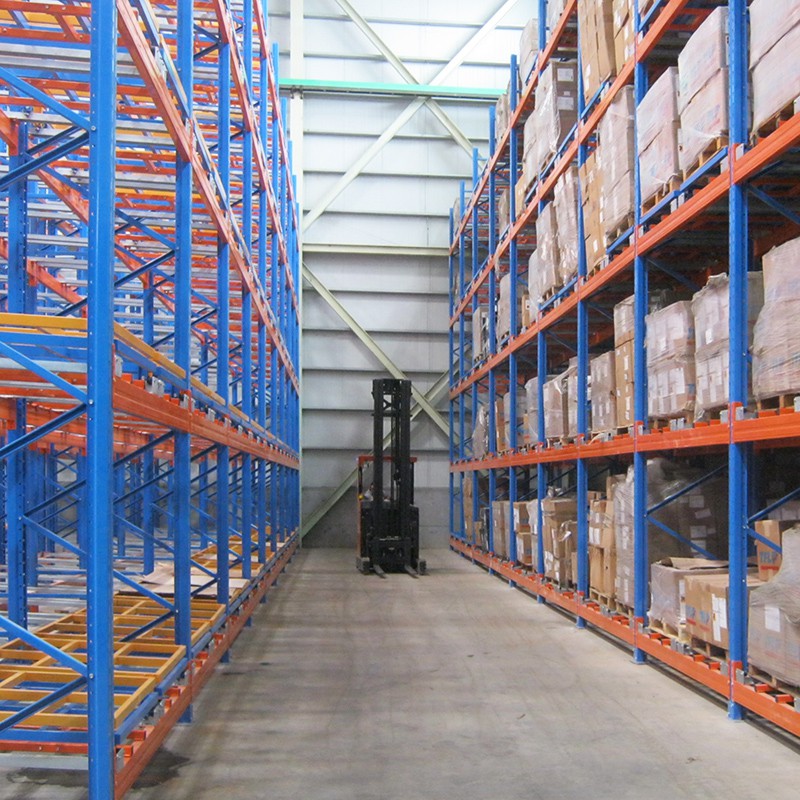
- Layout Planning: Consider the layout of the warehouse when designing the Push Back Racking System. The system should be arranged in a way that allows for easy access to the pallets and efficient movement of forklifts. For example, leave enough aisle space for forklifts to maneuver safely around the racking.
- Depth Selection: Choose the appropriate depth of the Push Back Racking System based on the inventory turnover rate and the storage requirements. A Two Pallet Deep Push Back Racking may be suitable for some applications, while a deeper system may be required for others. A deeper system can increase storage density but may also make it more difficult to access the back pallets.
- Integration with Other Systems: If possible, integrate the Push Back Racking System with other warehouse management systems, such as inventory control software and automated material handling equipment. Integration can improve overall operational efficiency by providing real - time information about inventory levels and automating certain processes.
6. Monitoring and Data Analysis
Monitoring the performance of the Push Back Racking System and analyzing the data can help identify areas for improvement.
- Performance Metrics: Establish key performance indicators (KPIs) for the Push Back Racking System, such as the number of successful pallet movements per day, the average time taken to load and unload pallets, and the frequency of system jams. Regularly monitor these KPIs to track the performance of the system over time.
- Data Analysis: Analyze the collected data to identify trends and patterns. For example, if there is a sudden increase in the number of system jams, data analysis may reveal that it is due to a particular type of pallet or a specific area of the racking. Based on the analysis, appropriate corrective actions can be taken.
- Continuous Improvement: Use the insights gained from monitoring and data analysis to implement continuous improvement initiatives. This can involve making adjustments to the system design, improving operator training, or changing the load management practices.
In conclusion, ensuring the smooth operation of a Push Back Racking System requires a combination of proper installation, regular maintenance, operator training, load management, system design optimization, and monitoring. By following these best practices, you can maximize the efficiency and lifespan of your Push Back Racking System.
If you are interested in purchasing a Push Back Racking System or have any questions about its operation and maintenance, please feel free to contact us. We are committed to providing high - quality products and excellent customer service to meet your warehouse storage needs.
References
- Manufacturer's Installation and Maintenance Manuals for Push Back Racking Systems
- Industry Standards for Warehouse Racking Safety and Operation
- Research Papers on Warehouse Storage System Efficiency and Optimization


