

In the realm of warehousing and logistics, optimizing space utilization is a perpetual challenge. A well - designed storage system can significantly enhance operational efficiency, reduce costs, and improve overall productivity. One such storage solution that has gained popularity for its space - saving capabilities is the Push Back Pallet Rack System. As a supplier of Push Back Pallet Rack Systems, I've witnessed firsthand the transformative impact it can have on a warehouse. In this blog, I'll share some strategies on how to improve the space utilization rate of a Push Back Pallet Rack System.
Understanding the Push Back Pallet Rack System
Before delving into space - utilization strategies, it's crucial to understand how a Push Back Pallet Rack System works. This system consists of inclined rails and nested carts that allow pallets to be stored one behind the other in a lane. When a new pallet is loaded, it pushes the existing pallets back along the rails. This “last - in, first - out” (LIFO) storage method enables high - density storage, as multiple pallets can be stored in a single lane.
Designing an Optimal Layout
The first step in improving space utilization is to design an optimal layout for your Push Back Pallet Rack System. This involves careful consideration of the warehouse's dimensions, the types of products being stored, and the flow of goods.
- Assess Warehouse Dimensions: Measure the length, width, and height of your warehouse accurately. Consider any structural columns, doorways, or other obstructions that may affect the rack layout. By understanding the available space, you can design a rack system that maximizes vertical and horizontal storage capacity.
- Analyze Product Characteristics: Different products have different storage requirements. Consider the size, weight, and shape of the pallets you'll be storing. For example, if you have a large number of similar - sized pallets, you can design the rack system with uniform lane widths and heights. On the other hand, if you have a variety of pallet sizes, you may need to design a more flexible system with adjustable rails and carts.
- Plan for Goods Flow: Determine the flow of goods in and out of the warehouse. This includes the location of receiving and shipping areas, as well as the movement of forklifts and other material - handling equipment. A well - planned goods flow can reduce congestion and improve the efficiency of the storage system. For instance, you can position the Push Back Pallet Rack System near the receiving area to minimize the distance that pallets need to be transported.
Selecting the Right Rack Configuration
The configuration of your Push Back Pallet Rack System can have a significant impact on space utilization. There are several factors to consider when selecting the right configuration.
- Lane Depth: The lane depth refers to the number of pallets that can be stored in a single lane. While deeper lanes can provide higher storage density, they also increase the risk of product damage and make it more difficult to access pallets. As a general rule, a lane depth of 3 - 5 pallets is recommended for most applications. However, if you have a large volume of slow - moving products, you may consider using deeper lanes.
- Rack Height: Maximizing the vertical height of your rack system is an effective way to increase storage capacity. However, you need to ensure that your forklifts and other material - handling equipment can safely reach the top pallets. Consider the height of your warehouse ceiling, as well as any height restrictions imposed by local building codes.
- Bay Width: The bay width is the distance between two adjacent columns of the rack system. A wider bay width allows for easier access to pallets, but it also reduces the overall storage density. You need to find a balance between accessibility and storage capacity based on your specific needs.
Utilizing Vertical Space
One of the key advantages of a Push Back Pallet Rack System is its ability to utilize vertical space effectively. By storing pallets in multiple levels, you can significantly increase the storage capacity of your warehouse without expanding its footprint.
- Install High - Reach Forklifts: To take full advantage of the vertical space, invest in high - reach forklifts or other material - handling equipment that can safely and efficiently access the top pallets. These forklifts are designed to lift pallets to greater heights, allowing you to maximize the storage capacity of your rack system.
- Use Mezzanine Floors: In some cases, you may consider installing mezzanine floors above the Push Back Pallet Rack System. Mezzanine floors provide additional storage space without requiring a significant increase in the warehouse's footprint. You can use the mezzanine floors to store lighter or less - frequently - accessed items.
Implementing Slotting Strategies
Slotting refers to the process of assigning specific storage locations to different products. By implementing effective slotting strategies, you can improve the space utilization of your Push Back Pallet Rack System.
- ABC Analysis: Conduct an ABC analysis of your inventory to classify products based on their value, sales volume, and frequency of use. A - class products are high - value, high - volume items that are frequently accessed, while C - class products are low - value, low - volume items that are rarely accessed. By storing A - class products in more accessible locations near the front of the rack system and C - class products in deeper lanes, you can improve the efficiency of order picking and reduce the time required to access pallets.
- Grouping Similar Products: Group similar products together in the same lane or area of the rack system. This makes it easier to locate and retrieve pallets, as well as to manage inventory. For example, you can group products by category, size, or supplier.
Maintaining the Rack System
Regular maintenance of your Push Back Pallet Rack System is essential to ensure its optimal performance and space utilization.

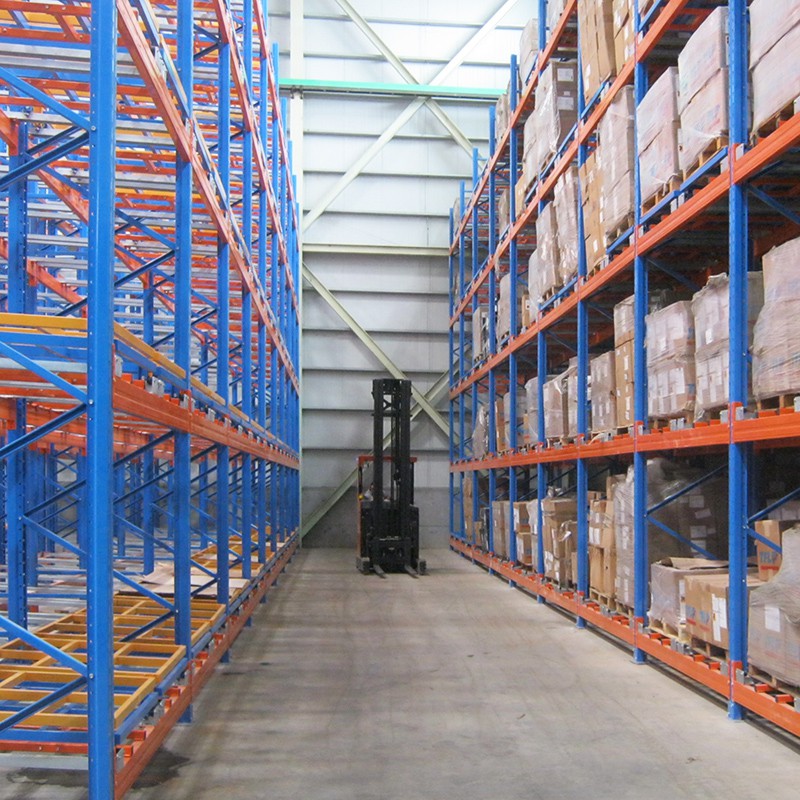
- Inspect the Rack System Regularly: Conduct regular inspections of the rack system to check for any signs of damage or wear. This includes checking the structural integrity of the columns, beams, and rails, as well as the functionality of the carts and wheels. Repair or replace any damaged components immediately to prevent further damage and ensure the safety of your warehouse operations.
- Clean the Rack System: Keep the rack system clean and free of debris. This can prevent blockages in the rails and ensure smooth operation of the carts. Regular cleaning also helps to extend the lifespan of the rack system.
Conclusion
Improving the space utilization rate of a Push Back Pallet Rack System requires a combination of careful planning, proper design, and effective management. By following the strategies outlined in this blog, you can maximize the storage capacity of your warehouse, improve operational efficiency, and reduce costs.
If you're interested in learning more about our Push Back Pallet Rack System or other storage solutions, or if you're looking to discuss your specific warehousing needs, we invite you to contact us for a detailed consultation. Our team of experts is ready to assist you in finding the best solution for your business.
References
- Warehouse Management: Best Practices for Efficiency and Productivity, John Wiley & Sons, Inc.
- Storage and Material Handling Systems: Design and Optimization, CRC Press.


