

Alright, folks! Today I wanna chat about how to use "upright" in a past - perfect tense sentence. As someone who's in the business of being an Upright supplier, I've got some real - world insights to share on this.
Let's start with a bit of grammar 101. The past - perfect tense is used to show that one past action happened before another past action. It's formed with "had" plus the past participle of a verb. When it comes to "upright", it can be used as an adjective, a noun, or even a verb in some cases.
As an Upright supplier, I deal with all sorts of products related to uprights every day. For example, we've got Upright Frame Bracing which is super important for the stability of pallet racking systems. Say you're talking about a project where the upright frame bracing was installed. You could say, "By the time the inspection team arrived, we had already installed the upright frame bracing." Here, the action of installing the upright frame bracing happened before the arrival of the inspection team, so we use the past - perfect tense.
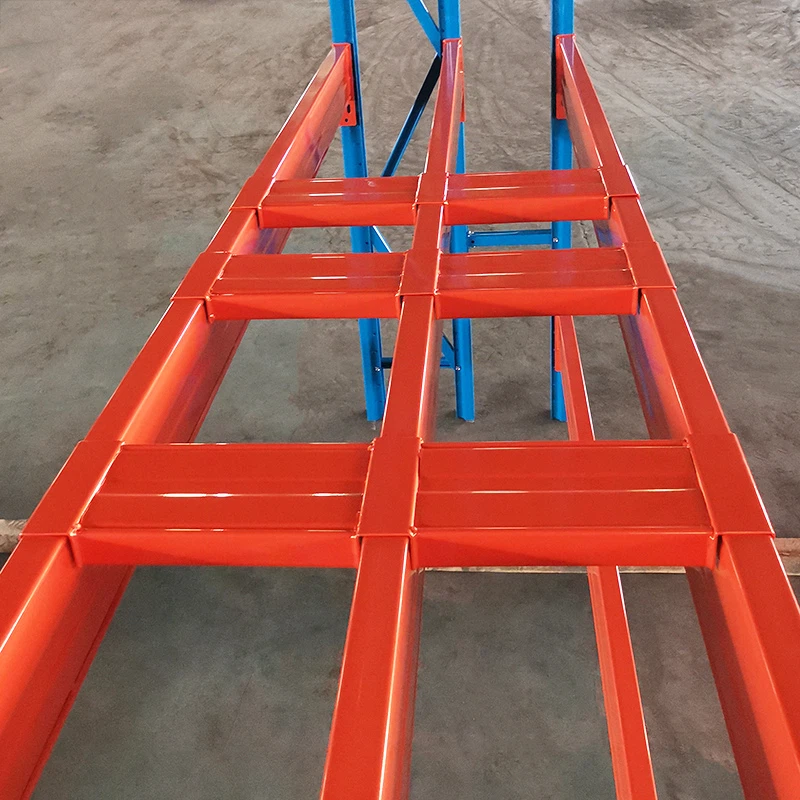
Another product we offer is the Big Width Pallet Support Bar. Let's create a scenario. Suppose you're a warehouse manager and you ordered these support bars. You could say, "When the new pallets arrived, we had already ordered the big width pallet support bars." This shows that the ordering of the support bars took place before the arrival of the new pallets.
Now, let's talk about Pallet Racking Beams. Imagine a situation where a warehouse was being renovated. You might say, "Before the renovation started, they had already removed the old pallet racking beams." This clearly indicates that the removal of the old beams happened prior to the start of the renovation.
When using "upright" in a past - perfect tense sentence as a noun, like in the context of our products, it's all about establishing the sequence of events. For instance, "The workers had already painted the uprights when the supervisor came to check." This tells us that the painting of the uprights was completed before the supervisor's arrival.
As an adjective, we can use it like this. "By the time the storm hit, the upright shelves had been secured." Here, "upright" describes the shelves, and the past - perfect tense shows that the securing of the shelves happened before the storm.
If we use "upright" as a verb, although it's less common in our product - related context, we can still form a past - perfect sentence. For example, "They had already uprighted the fallen racks by the time the maintenance crew arrived."
In our business, understanding how to use "upright" in past - perfect tense sentences can be really useful for communication. When we're talking to clients about the work that's been done on their projects, using the correct tense can make our explanations clearer. For example, if a client asks about the status of their order, we can say, "We had already shipped the uprights before you called." This gives the client a clear idea of the timeline of the order process.
Now, if you're in the market for any of our upright - related products like the Upright Frame Bracing, Big Width Pallet Support Bar, or Pallet Racking Beams, we'd love to have a chat with you. Whether you're setting up a new warehouse or renovating an existing one, we've got the right products for you. Reach out to us and let's start a conversation about your specific needs. We're here to help you make the best choices for your business.

References:
- General knowledge of English grammar rules regarding past - perfect tense.
- Industry knowledge from being an Upright supplier.


