

Hey there! As a supplier of Push Back Racking Systems, I've been getting a lot of questions lately about the labeling and identification requirements for these awesome storage solutions. So, I thought I'd sit down and write this blog to share some insights with you.

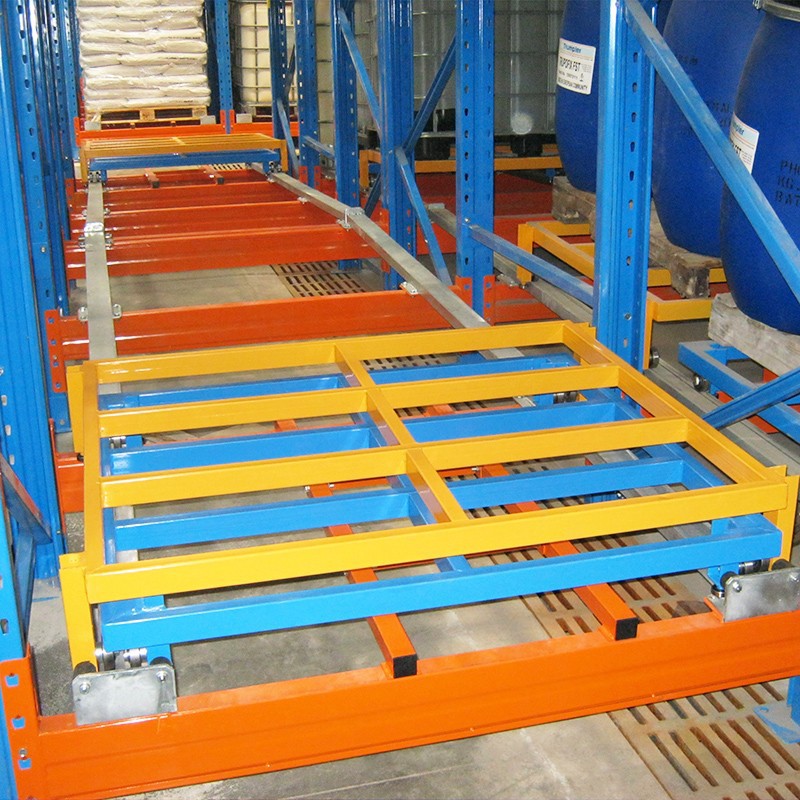
First off, let's talk about why labeling and identification are so important for a Push Back Racking System. Well, it's all about safety, efficiency, and compliance. Proper labeling helps workers quickly and easily identify the location of products, which can save time and reduce the risk of accidents. It also ensures that the racking system is used correctly, which can prevent damage to the equipment and the stored goods. And from a compliance perspective, many industries have specific regulations regarding the labeling and identification of storage systems, so it's crucial to get it right.
Labeling for Safety
One of the most important aspects of labeling a Push Back Racking System is to provide clear safety information. This includes things like weight limits, maximum load capacities, and any specific safety instructions. For example, you might label each bay of the racking system with the maximum weight it can support, so that workers know not to overload it. You could also include warnings about potential hazards, such as the risk of falling pallets or the need to use proper lifting equipment.
Another important safety label is the one indicating the direction of travel for the pallets. Push Back Racking Systems work by allowing pallets to be pushed back into the rack, with the first pallet in being the last one out. This means that it's essential for workers to understand the correct way to load and unload the pallets to avoid any accidents. A simple arrow or directional label can make a big difference in ensuring that the system is used safely.
Identification for Inventory Management
In addition to safety labeling, it's also important to label the Push Back Racking System for inventory management purposes. This includes things like bin locations, product codes, and lot numbers. By labeling each bay or location in the racking system, you can easily track the movement of inventory and ensure that products are stored in the correct place. This can help to improve inventory accuracy, reduce the risk of stockouts, and make it easier to conduct audits and cycle counts.
For example, you might use a barcode or RFID system to label each pallet and the corresponding location in the racking system. This allows you to scan the pallets as they are loaded and unloaded, and track their movement in real-time. You can also use the system to generate reports and analytics, which can provide valuable insights into your inventory management processes.
Regulatory Requirements
Depending on your industry and location, there may be specific regulatory requirements for the labeling and identification of Push Back Racking Systems. For example, in the food and beverage industry, there are strict regulations regarding the storage and handling of products to ensure food safety. This may include requirements for labeling the racking system with information about the product, such as the expiration date, batch number, and storage temperature.
Similarly, in the pharmaceutical industry, there are regulations regarding the storage and handling of drugs and medical devices. This may include requirements for labeling the racking system with information about the product's potency, purity, and stability. It's important to stay up-to-date with these regulations and ensure that your Push Back Racking System is labeled and identified in accordance with them.
Types of Labels
There are several types of labels that you can use for your Push Back Racking System, depending on your specific needs and requirements. Some of the most common types of labels include:
- Adhesive Labels: These are the most common type of labels and are easy to apply to the racking system. They come in a variety of sizes, shapes, and colors, and can be printed with text, graphics, or barcodes.
- Metal Tags: Metal tags are more durable than adhesive labels and are suitable for use in harsh environments. They can be engraved with information, such as the bay number, weight limit, or product code, and are often used for long-term identification.
- Plastic Signs: Plastic signs are a good option for larger labels or signs that need to be visible from a distance. They can be printed with high-quality graphics and text, and are available in a variety of colors and sizes.
Best Practices for Labeling and Identification
To ensure that your Push Back Racking System is labeled and identified correctly, here are some best practices to follow:
- Use Clear and Concise Language: Make sure that your labels are easy to read and understand. Use simple, straightforward language and avoid using technical jargon or abbreviations that may not be familiar to everyone.
- Choose the Right Labeling Method: Consider the environment in which the racking system will be used and choose a labeling method that is suitable for that environment. For example, if the racking system will be exposed to moisture or chemicals, you may need to use a more durable labeling method, such as metal tags or plastic signs.
- Regularly Inspect and Maintain the Labels: Over time, labels can become faded, damaged, or worn. It's important to regularly inspect the labels and replace them as needed to ensure that they are still legible and accurate.
- Train Your Workers: Make sure that your workers are trained on the importance of labeling and identification and how to read and understand the labels. This can help to ensure that the racking system is used correctly and that the labels are not damaged or removed.
Conclusion
In conclusion, labeling and identification are essential for the safe and efficient operation of a Push Back Racking System. By providing clear safety information, inventory management labels, and complying with regulatory requirements, you can ensure that your racking system is used correctly and that your products are stored safely and securely.
If you're interested in learning more about our Push Back Racking Systems or have any questions about labeling and identification requirements, please don't hesitate to contact us for a free consultation. We'd be happy to help you find the right solution for your needs.
References
- Material Handling Industry of America (MHIA). (2023). Safety and Ergonomics Guidelines for Storage Equipment.
- Occupational Safety and Health Administration (OSHA). (2023). General Industry Standards for Storage and Handling.


