

Hey there! As a supplier of the Radio Shuttle Racking System, I often get asked about its energy consumption. So, I thought I'd write this blog to shed some light on this topic.
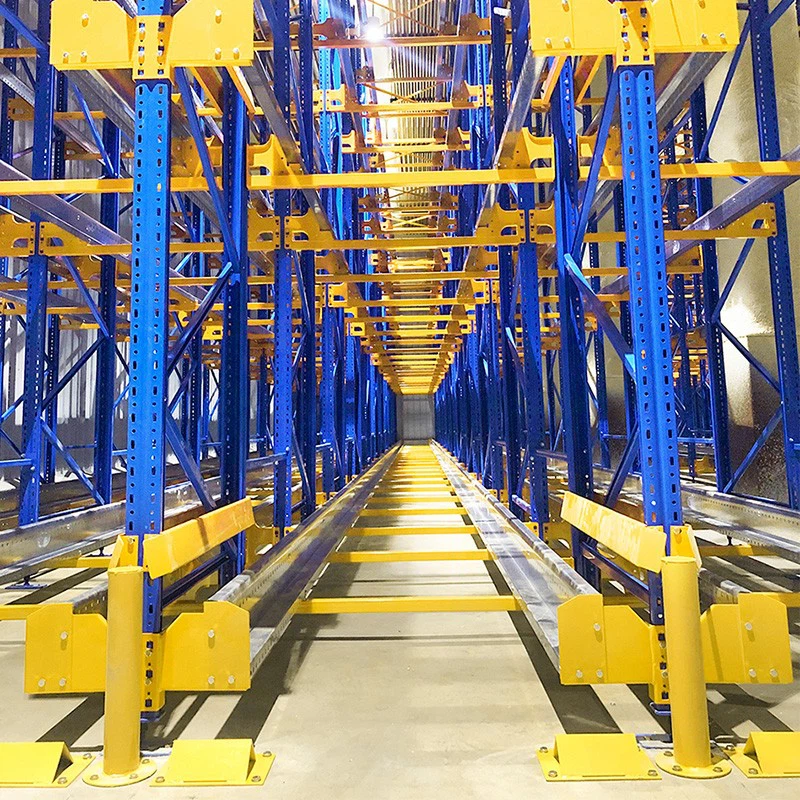
First off, let's understand what the Radio Shuttle Racking System is. It's a high - density storage solution that uses a radio - controlled shuttle cart to move pallets in and out of the racking lanes. This system is a game - changer in the warehousing industry as it increases storage capacity and improves the efficiency of goods handling.
The energy consumption of the Radio Shuttle Racking System mainly comes from two parts: the shuttle cart and the control system.
Energy Consumption of the Shuttle Cart
The shuttle cart is the heart of the Radio Shuttle Racking System. It's battery - powered, and the energy it consumes depends on several factors.
One of the key factors is the frequency of use. If the shuttle cart is constantly moving pallets in and out of the lanes, it will naturally consume more energy. For example, in a busy warehouse where there are a large number of inbound and outbound goods every day, the shuttle cart may need to make dozens or even hundreds of trips. Each trip requires energy to move the cart, lift and lower the pallets, and operate the sensors and other components on the cart.
The weight of the pallets also affects energy consumption. Heavier pallets require more power to move. If a warehouse stores heavy - duty products, the shuttle cart has to work harder, which means it will use up its battery faster.
The design and technology of the shuttle cart itself play a role too. Modern shuttle carts are designed with energy - efficient motors and control systems. For instance, some shuttle carts use regenerative braking technology. When the cart slows down or stops, the kinetic energy is converted back into electrical energy and stored in the battery. This helps to reduce overall energy consumption.
On average, a typical shuttle cart may have a battery capacity of around 24 - 48 volts and can operate for several hours on a single charge. However, this can vary widely depending on the factors mentioned above. In a moderately busy warehouse, a fully - charged shuttle cart might be able to handle 50 - 100 pallet movements before it needs to be recharged.
Energy Consumption of the Control System
The control system of the Radio Shuttle Racking System is used to manage the operation of the shuttle cart. It includes a central control unit, radio communication devices, and software.
The energy consumption of the control system is relatively low compared to the shuttle cart. The central control unit usually runs on a low - power processor and only consumes a few watts of power. The radio communication devices also have a relatively small power requirement.
The software in the control system is designed to optimize the operation of the shuttle cart. It can plan the most efficient routes for the cart to move, which helps to reduce unnecessary movements and save energy. For example, it can group pallets that need to be retrieved or stored in the same area, so the shuttle cart doesn't have to travel back and forth across the racking system.
However, if the control system is connected to other devices such as barcode scanners, monitors, or network equipment, the energy consumption will increase slightly. But overall, the control system is designed to be energy - efficient, and its energy consumption is a small fraction of the total energy used by the Radio Shuttle Racking System.
Comparing with Traditional Racking Systems
When we compare the Radio Shuttle Racking System with traditional racking systems, such as selective pallet racking, the energy consumption picture is quite different.
In a traditional selective pallet racking system, forklifts are used to access the pallets. Forklifts are usually powered by diesel, gasoline, or electric batteries. Diesel and gasoline - powered forklifts consume a significant amount of fuel, and they also produce emissions. Electric forklifts, on the other hand, need to be charged regularly, and their energy consumption can be high, especially if they are used intensively.
In contrast, the Radio Shuttle Racking System is more energy - efficient in the long run. The shuttle cart operates on a defined track within the racking system, which reduces the need for large - scale forklift movements. This not only saves energy but also reduces the wear and tear on the warehouse floor and the equipment.
Tips to Reduce Energy Consumption
As a supplier, I always recommend some tips to our customers to reduce the energy consumption of the Radio Shuttle Racking System.
Firstly, proper maintenance of the shuttle cart is crucial. Regularly checking the battery, cleaning the motor and other components, and ensuring that the wheels are in good condition can help the cart operate more efficiently. A well - maintained cart will use less energy to perform the same tasks.
Secondly, optimizing the storage layout can also save energy. By arranging the pallets in an orderly manner and grouping similar products together, the shuttle cart can move more efficiently. The control system can then plan better routes for the cart, reducing the distance it needs to travel.

Thirdly, using the right charging strategy is important. It's best to charge the shuttle cart's battery when it reaches a certain level, rather than waiting until it's completely drained. Over - discharging the battery can reduce its lifespan and also increase energy consumption in the long run.
Related Products
If you're interested in other types of racking systems, we also offer some great options. Check out our Semi Auto Storage Warehouse Racking System, which combines the advantages of automation and manual operation. And for those who need high - density storage, our High Density Storage Pallet Rack is a great choice. We also have the FIFO and FILO High Density Storage Shuttle Racking System, which offers flexible storage options.
Let's Connect
If you're considering purchasing a Radio Shuttle Racking System or have any questions about its energy consumption or other aspects, don't hesitate to get in touch. We're here to provide you with detailed information and help you make the best decision for your warehouse.
References
- "Warehouse Automation: Technologies and Applications" by XYZ Publishing
- "Energy - Efficient Solutions in Material Handling" by ABC Research Institute


