

In the realm of warehouse management, the choice between light - duty and heavy - duty racks is a critical decision that can significantly impact operational efficiency, safety, and overall cost - effectiveness. As a supplier of Heavy Duty Rack for Warehouse, I have witnessed firsthand the diverse needs of different warehouses and the importance of making the right racking selection.

Structural Design and Build
One of the most obvious differences between light - duty and heavy - duty racks lies in their structural design and build. Light - duty racks are typically constructed with thinner gauge steel and have a more delicate framework. They are designed to hold relatively lightweight items, such as small parts, boxes of office supplies, or lightweight consumer goods. The uprights and beams of light - duty racks are often smaller in size, which allows for a more compact and space - efficient layout in areas where the stored items are not heavy.
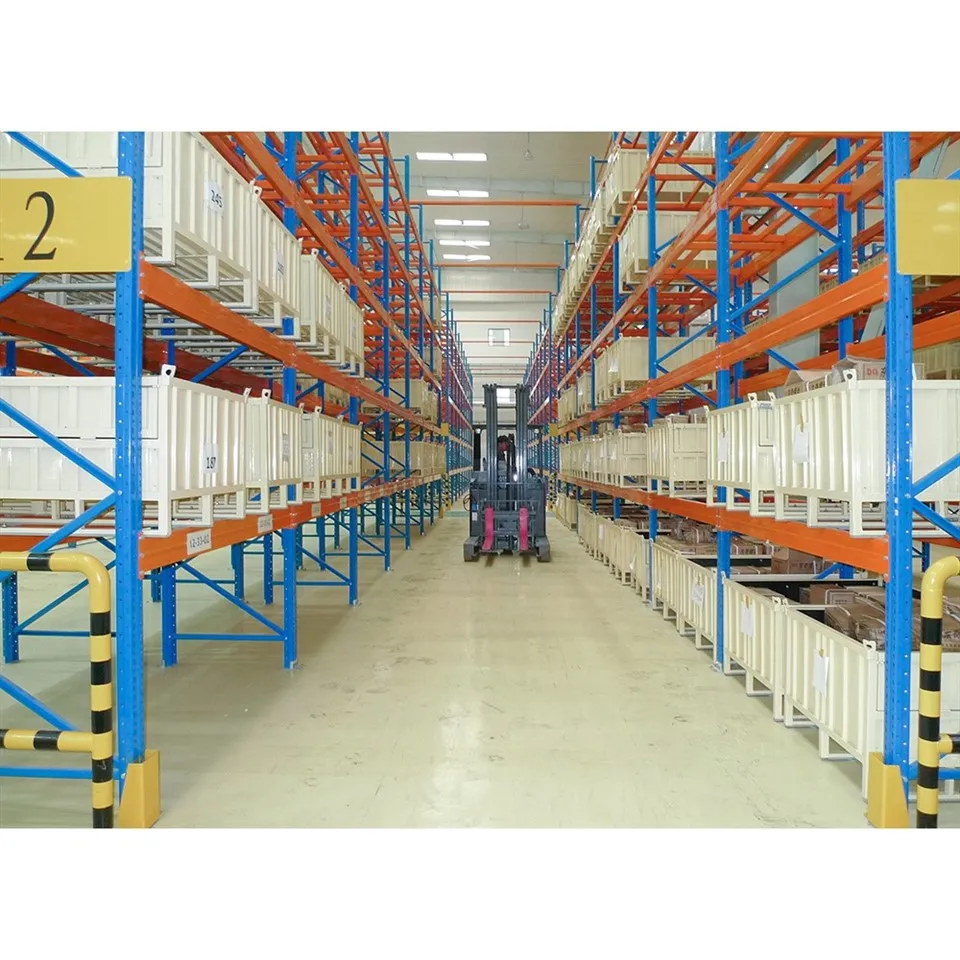
On the other hand, heavy - duty racks are built to withstand much greater loads. They are constructed using thicker and stronger steel materials. The uprights are usually larger in cross - section and have a higher load - bearing capacity. The beams are also more robust, with reinforced connections to the uprights. This heavy - duty construction enables them to support large pallets filled with heavy machinery parts, industrial equipment, or bulk materials. For example, in a warehouse that stores large quantities of steel pipes or heavy automotive components, heavy - duty racks are essential to ensure the safety and stability of the stored items.
Load - Bearing Capacity
Load - bearing capacity is a key differentiator between the two types of racks. Light - duty racks generally have a load capacity ranging from a few hundred pounds to around 2,000 pounds per shelf or beam level. This makes them suitable for applications where the individual items or pallets are not overly heavy. For instance, in a small e - commerce fulfillment center that stores clothing items or small electronics, light - duty racks can efficiently handle the relatively light loads.
Heavy - duty racks, however, can support significantly higher loads. Their load capacity can range from 2,000 pounds to over 10,000 pounds per beam level, depending on the specific design and construction. This high load - bearing capacity is crucial in industries such as manufacturing, where large and heavy items need to be stored. For example, in a manufacturing plant's raw material warehouse, heavy - duty racks can hold large coils of steel or heavy barrels of chemicals safely.
Storage Density and Space Utilization
When it comes to storage density and space utilization, light - duty and heavy - duty racks offer different advantages. Light - duty racks are often more suitable for high - density storage of small items. They can be arranged in a more compact manner, with narrower aisles between the rack rows. This allows for a greater number of storage locations within a given area. For example, in a parts storage area of a repair shop, light - duty racks can be used to store a large number of small bolts, nuts, and washers in a relatively small space.
Heavy - duty racks, due to their larger size and the need to accommodate heavy pallets, usually require wider aisles for forklift access. This results in a lower storage density compared to light - duty racks in some cases. However, they are still essential for storing large and heavy items that cannot be accommodated by light - duty racks. In some warehouses, a combination of both light - duty and heavy - duty racks may be used to optimize space utilization. For example, light - duty racks can be used for storing small parts near the picking area, while heavy - duty racks are placed in the back of the warehouse for storing large and heavy items.
Installation and Maintenance
Installation of light - duty racks is generally quicker and easier compared to heavy - duty racks. Light - duty racks often come in pre - fabricated sections that can be easily assembled on - site with basic tools. They usually do not require specialized equipment or a large installation team. This makes them a cost - effective option for small businesses or warehouses with limited resources.
Heavy - duty racks, on the other hand, require more complex installation procedures. Due to their large size and heavy weight, they often need to be installed by professional teams using specialized equipment such as forklifts and cranes. The installation process also involves more precise alignment and anchoring to ensure the stability and safety of the racks. Additionally, heavy - duty racks may require more regular maintenance to check for signs of wear and tear, especially in high - traffic areas. This includes inspecting the connections between the uprights and beams, and checking for any signs of deformation or damage.
Cost Considerations
Cost is an important factor when choosing between light - duty and heavy - duty racks. Light - duty racks are generally more affordable in terms of both the initial purchase price and installation costs. They are a cost - effective solution for warehouses with limited budgets or those that only need to store lightweight items. However, it is important to note that if light - duty racks are overloaded, they may need to be replaced more frequently, which can increase the long - term cost.
Heavy - duty racks, due to their stronger construction and higher load - bearing capacity, are more expensive. The cost of materials, manufacturing, and installation is higher. However, in warehouses where heavy items need to be stored, the investment in heavy - duty racks is often justified by their durability and ability to support the required loads over a long period of time.
Application Scenarios
Light - duty racks are commonly used in a variety of settings, including small retail stores, office storage areas, and small - scale e - commerce warehouses. In a small retail store, light - duty racks can be used to display and store merchandise such as clothing, accessories, and small household items. In an office storage area, they can hold boxes of files, stationery, and other office supplies.
Heavy - duty racks are widely used in industries such as manufacturing, logistics, and wholesale. In a manufacturing plant, heavy - duty racks are used to store raw materials, finished products, and large equipment. In a logistics warehouse, they are essential for handling large pallets of goods during the loading and unloading process. For example, Wide Aisle Adjustable Pallet Racking and Euro Pallet Storage Adjustable Pallet Racking Systems are often heavy - duty rack solutions that are suitable for different types of palletized goods and warehouse layouts.
Conclusion
In conclusion, the difference between light - duty and heavy - duty racks for warehouses is multi - faceted, encompassing structural design, load - bearing capacity, storage density, installation and maintenance, cost, and application scenarios. As a supplier of Heavy Duty Rack for Warehouse, I understand the importance of helping our customers make the right choice based on their specific needs.
If you are in the process of setting up or upgrading your warehouse, and you need to store heavy items, heavy - duty racks are likely the best solution for you. Our team of experts can provide you with detailed information, customized solutions, and professional advice to ensure that you get the most suitable heavy - duty racks for your warehouse. We invite you to contact us to discuss your requirements and start a procurement negotiation. We are committed to providing high - quality products and excellent service to meet your warehouse storage needs.
References
- "Warehouse Racking Systems: A Comprehensive Guide", Industrial Storage Solutions Journal, 2022.
- "Load - Bearing Capacity Analysis of Different Types of Warehouse Racks", Journal of Material Handling and Logistics, 2021.
- "Cost - Benefit Analysis of Light - Duty and Heavy - Duty Racks in Warehouse Operations", Supply Chain Management Review, 2020.


