

What is the electrical conductivity of rack parts?
As a supplier of rack parts, I often encounter various inquiries from customers. One question that has piqued my interest recently is about the electrical conductivity of rack parts. In this blog post, I will delve into this topic, exploring what electrical conductivity is, how it applies to rack parts, and why it might matter in different industrial settings.
Understanding Electrical Conductivity
Before we discuss the electrical conductivity of rack parts, it's essential to understand what electrical conductivity means. Electrical conductivity is a measure of a material's ability to conduct an electric current. It is the reciprocal of electrical resistivity. Materials with high electrical conductivity allow electric charges to move through them easily, while those with low conductivity impede the flow of electric charges.
The SI unit of electrical conductivity is siemens per meter (S/m). Metals are generally good conductors of electricity because they have free electrons that can move freely through the material. For example, copper and aluminum are well - known for their high electrical conductivity and are commonly used in electrical wiring. On the other hand, materials like rubber and plastic are insulators, meaning they have very low electrical conductivity and are used to prevent the flow of electricity.
Electrical Conductivity of Common Rack Part Materials
Rack parts are typically made from a variety of materials, each with its own electrical conductivity characteristics.
- Steel: Steel is one of the most commonly used materials for rack parts. It is an alloy of iron and carbon, and often contains other elements such as manganese, silicon, and chromium. Steel has a relatively high electrical conductivity compared to many non - metallic materials. The exact conductivity of steel depends on its composition and heat treatment. For example, carbon steel has a conductivity in the range of approximately 10^6 S/m. This conductivity makes steel suitable for applications where electrical grounding or the dissipation of static electricity is required.
- Aluminum: Aluminum is another popular material for rack parts. It has a higher electrical conductivity than steel, with a conductivity of about 3.5×10^7 S/m. Aluminum is lightweight, corrosion - resistant, and has good thermal conductivity in addition to its electrical properties. These characteristics make it a preferred choice for rack parts in environments where weight is a concern or where corrosion resistance is required.
- Plastic - coated Rack Parts: Some rack parts are coated with plastic for aesthetic or protective purposes. Plastic is an insulator, so a plastic - coated rack part will have a much lower electrical conductivity compared to the base metal. The plastic coating acts as a barrier to the flow of electricity, which can be beneficial in some applications where electrical isolation is needed. However, in other cases, it may be necessary to ensure that the plastic coating does not interfere with any electrical grounding requirements.
Why Electrical Conductivity Matters for Rack Parts
The electrical conductivity of rack parts can have several implications in different industrial settings.
- Static Electricity Dissipation: In industries where static electricity is a concern, such as the electronics or chemical industries, rack parts need to be able to dissipate static charges safely. For example, in a warehouse storing electronic components, static electricity can damage sensitive equipment. Rack parts made from conductive materials like steel or aluminum can help to ground static charges, preventing them from building up and causing damage.
- Electrical Safety: In some industrial environments, rack parts may come into contact with electrical systems. If the rack parts are made from conductive materials, they need to be properly grounded to prevent electrical shock hazards. For example, in a manufacturing plant where electrical equipment is stored on racks, the racks should be grounded to ensure that any electrical faults are safely conducted to the ground.
- Electromagnetic Interference (EMI) Shielding: In industries where electromagnetic interference can affect the performance of electronic equipment, rack parts can be used as part of an EMI shielding system. Conductive rack parts can help to absorb and redirect electromagnetic waves, reducing the amount of interference that reaches sensitive equipment.
Examples of Rack Parts and Their Electrical Conductivity Considerations
Let's take a look at some specific rack parts and how their electrical conductivity might be relevant.
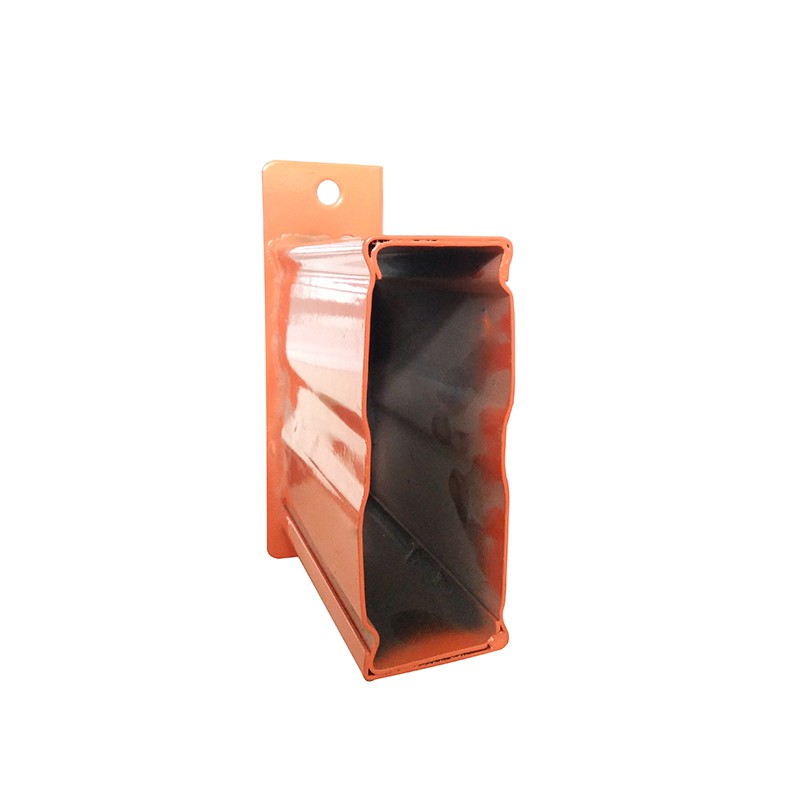

- 2 Inch Hole Step Beam End Safety Clip: These safety clips are typically made from steel. Their electrical conductivity allows them to be part of a grounding system in a warehouse or industrial setting. If the racks are used to store electrical equipment, the safety clips can help to ensure that any static charges are safely dissipated.
- L Shape Upright Front Protector: Upright front protectors are used to protect the racks from damage. If they are made from aluminum, their high electrical conductivity can be beneficial for grounding purposes. Additionally, in an environment where EMI shielding is required, the aluminum protectors can contribute to the overall shielding effectiveness.
- Pallet Racking Beams: Pallet racking beams are often made from steel. Their conductivity is important for both static electricity dissipation and electrical safety. In a large warehouse, the beams can act as a conductive network to ground any electrical charges that may accumulate on the pallets or the stored goods.
Conclusion and Call to Action
In conclusion, the electrical conductivity of rack parts is an important consideration in many industrial applications. Whether it's for static electricity dissipation, electrical safety, or EMI shielding, the choice of rack part material can have a significant impact on the performance and safety of the overall system.
As a supplier of rack parts, I understand the importance of providing high - quality products that meet the specific needs of my customers. If you are in the market for rack parts and have questions about electrical conductivity or any other technical specifications, I encourage you to reach out to me. We can discuss your requirements in detail and help you select the most suitable rack parts for your application. Let's start a conversation and find the perfect solution for your racking needs.
References
- "Electrical Conductivity of Metals." Engineering ToolBox.
- "Materials Science and Engineering: An Introduction" by William D. Callister, Jr. and David G. Rethwisch.


