
As a supplier of shuttle racking systems, I've had numerous discussions with clients about the retrieval efficiency of these systems. Retrieval efficiency is a critical factor when considering a storage solution, as it directly impacts the overall productivity and cost - effectiveness of a warehouse operation. In this blog, I'll delve into what retrieval efficiency means in the context of a shuttle racking system, the factors that influence it, and how our products can optimize this crucial aspect.
Understanding Retrieval Efficiency
Retrieval efficiency refers to the speed and accuracy with which items can be retrieved from a storage system. In a shuttle racking system, it is measured by the time it takes to locate, access, and remove a pallet from the racking. High retrieval efficiency means that products can be quickly moved from storage to the shipping area, reducing lead times and improving customer satisfaction.
Factors Affecting Retrieval Efficiency in Shuttle Racking Systems
1. System Configuration
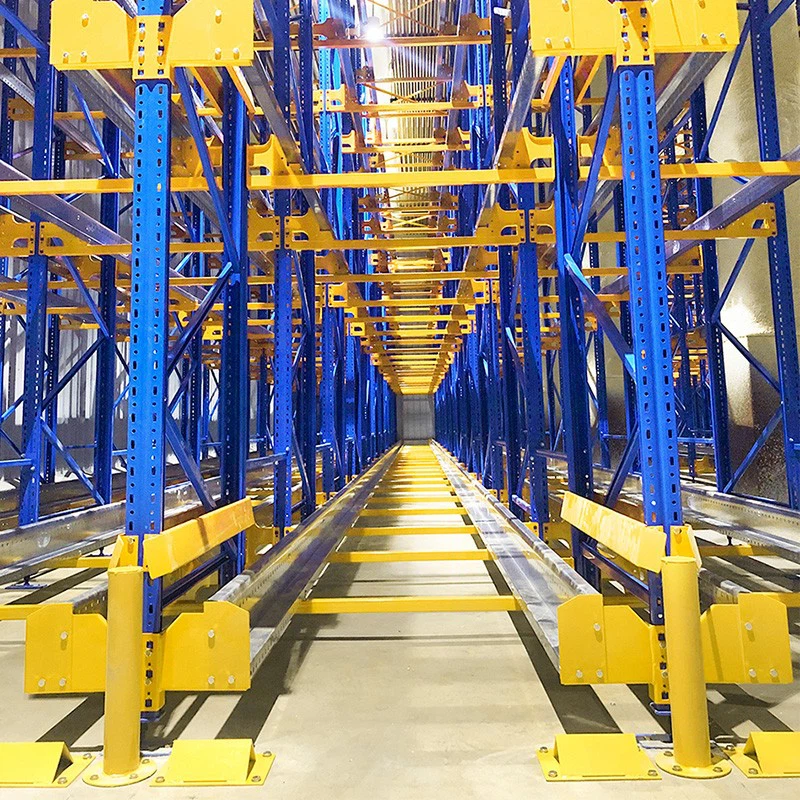
The layout and design of the shuttle racking system play a significant role in retrieval efficiency. For example, a system with a higher number of aisles can increase the potential for parallel retrieval operations. Our High Density Storage Pallet Rack is designed with flexible aisle configurations, allowing for customized setups based on the specific needs of your warehouse. This adaptability ensures that the system can be optimized for maximum retrieval speed.
2. Shuttle Technology
The performance of the shuttle itself is a key determinant of retrieval efficiency. Modern shuttles are equipped with advanced sensors and control systems that enable precise movement and positioning. Our shuttles are designed to operate at high speeds while maintaining accuracy. They can quickly navigate through the racking system, reducing the time spent on each retrieval operation. Additionally, the shuttles can be programmed to prioritize certain tasks, such as retrieving high - demand items first.
3. Storage Strategy
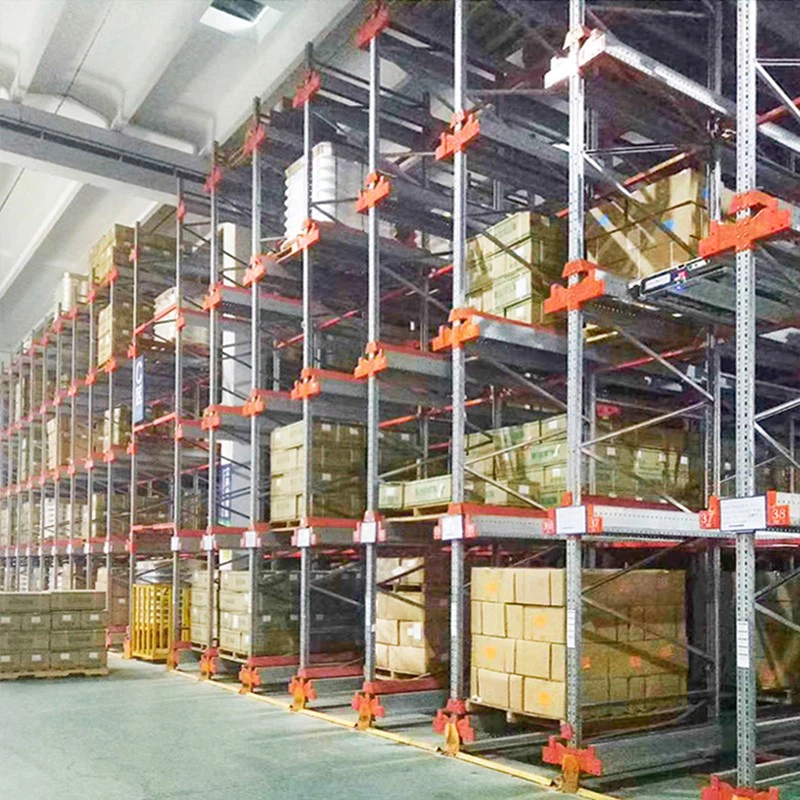
The storage strategy employed in the shuttle racking system also affects retrieval efficiency. There are two main storage strategies: First - In - First - Out (FIFO) and First - In - Last - Out (FILO). Our FIFO and FILO High Density Storage Shuttle Racking System allows you to choose the strategy that best suits your business requirements. FIFO is ideal for perishable goods or products with expiration dates, as it ensures that the oldest items are retrieved first. FILO, on the other hand, is more suitable for non - perishable goods and can sometimes result in faster retrieval times, especially when dealing with large quantities of the same product.
4. Warehouse Management System (WMS) Integration
Integrating the shuttle racking system with a Warehouse Management System can significantly enhance retrieval efficiency. A WMS can provide real - time inventory information, allowing for better planning and organization of retrieval operations. It can also optimize the routing of the shuttles, ensuring that they take the shortest path to the target pallet. Our shuttle racking systems are designed to be easily integrated with leading WMS solutions, enabling seamless communication and improved overall performance.
Measuring Retrieval Efficiency
To accurately measure the retrieval efficiency of a shuttle racking system, several key performance indicators (KPIs) can be used. These include:
1. Retrieval Time
This is the time taken from the moment a retrieval request is issued to the moment the pallet is available at the picking station. By monitoring retrieval times, you can identify bottlenecks in the system and take corrective actions.
2. Throughput
Throughput refers to the number of pallets that can be retrieved within a given time frame. A high throughput indicates that the system is operating efficiently and can handle a large volume of orders.
3. Accuracy Rate
The accuracy rate measures the percentage of correct retrievals. A high accuracy rate is essential to avoid errors and rework, which can slow down the overall operation.
How Our Shuttle Racking Systems Improve Retrieval Efficiency
Our company offers a range of shuttle racking systems designed to maximize retrieval efficiency. Take our 1200kg Unit Load Storage Shuttle Pallet Racking System as an example. This system is built with high - quality materials and advanced technology to ensure reliable and fast operation.
The shuttles in our systems are equipped with the latest navigation and control technology, allowing them to move quickly and precisely through the racking. They can handle heavy loads of up to 1200kg, making them suitable for a wide range of industries.
In addition, our systems are designed with modularity in mind. This means that they can be easily expanded or reconfigured as your business grows or your storage needs change. This flexibility ensures that the retrieval efficiency of the system can be maintained over time.
Conclusion
Retrieval efficiency is a crucial aspect of any shuttle racking system. By understanding the factors that influence it and choosing the right system, you can significantly improve the productivity and profitability of your warehouse operation. Our company, as a leading supplier of shuttle racking systems, is committed to providing high - quality products that are optimized for retrieval efficiency.
If you're interested in learning more about how our shuttle racking systems can improve the retrieval efficiency of your warehouse, we encourage you to contact us for a detailed consultation. Our team of experts will be happy to discuss your specific needs and provide you with a customized solution.
References
- "Warehouse Automation: A Guide to Improving Efficiency" by John Smith
- "Advanced Storage Systems: Design and Implementation" by Jane Doe
- Industry reports on shuttle racking systems from leading market research firms


