

Hey there! As a supplier of push - back pallet racking, I often get asked about what types of pallets are suitable for this kind of racking system. So, I thought I'd put together this blog to share some insights.
First off, let's quickly go over what push - back pallet racking is. It's a high - density storage solution that allows pallets to be stored multiple deep. When you load a new pallet, it pushes the existing ones back, and when you unload, the front - most pallet is removed first. This system makes great use of vertical and horizontal space in a warehouse. You can check out more details about our Push Back Pallet Rack System.
Now, let's dive into the types of pallets that work well with push - back pallet racking.
Wooden Pallets
Wooden pallets are probably the most common type out there, and they're a great fit for push - back pallet racking. They're relatively inexpensive, easy to repair, and widely available.

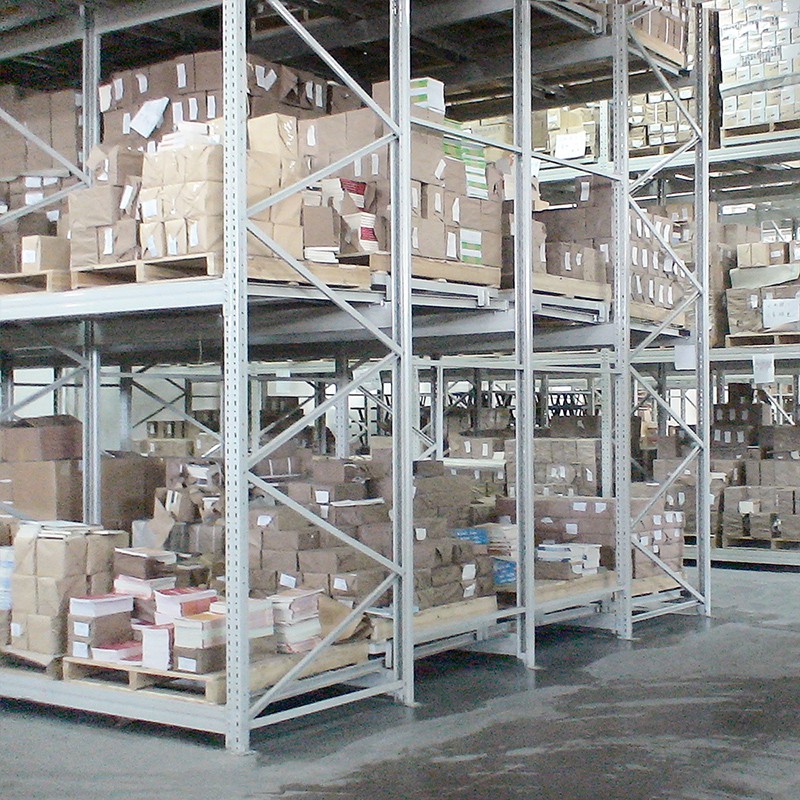
One of the big advantages of wooden pallets is their strength. They can handle heavy loads, which is crucial when you're stacking pallets multiple deep in a push - back system. For example, if you're storing heavy machinery parts or large bags of industrial materials, wooden pallets can take the weight.
However, wooden pallets do have some drawbacks. They can be prone to damage from moisture, pests, and rough handling. If a wooden pallet gets damaged, it might not slide smoothly in the push - back system, which can cause jams. But if you take good care of them, like keeping them dry and inspecting them regularly, they can serve you well.
Plastic Pallets
Plastic pallets are another popular choice. They're lightweight, which can make them easier to handle during loading and unloading. They're also resistant to moisture, chemicals, and pests, so they have a longer lifespan compared to wooden pallets in some environments.
In a push - back pallet racking system, plastic pallets offer smooth sliding. Their uniform shape and smooth surface ensure that they move easily along the rails of the racking. This reduces the risk of jams and makes the overall operation more efficient.
On the downside, plastic pallets can be more expensive upfront than wooden pallets. And while they're strong, they might not be as suitable for extremely heavy loads as wooden pallets. But for lighter products like consumer goods or food items, plastic pallets are a great option.
Metal Pallets
Metal pallets are the heavy - duty champions. They're incredibly strong and can withstand the toughest conditions. If you're dealing with very heavy or sharp - edged products, metal pallets are the way to go.
In a push - back racking system, metal pallets provide excellent durability. They won't break or warp under heavy loads, and they can handle rough handling without getting damaged easily. This means less downtime due to pallet failures.
But metal pallets also have their cons. They're the most expensive option, and they're heavy, which can increase transportation costs. They can also be prone to rust if not properly coated or maintained.
Considerations for Pallet Size and Design
Apart from the material, the size and design of the pallet also matter a lot in a push - back pallet racking system.
The pallet size should be compatible with the racking dimensions. If the pallet is too small, it might not sit properly on the rails and could fall through. If it's too large, it won't fit into the racking at all. Make sure to measure your push - back racking carefully and choose pallets that match the specifications.
The design of the pallet, especially the bottom structure, is crucial for smooth movement in the push - back system. Pallets with a flat and even bottom are better as they can slide more easily along the rails. Avoid pallets with uneven or protruding parts on the bottom, as these can cause friction and jams.
Two - Pallet Deep vs. Three - Pallet Deep Push - Back Racking
The depth of your push - back racking also affects the choice of pallets.
For Two Pallet Deep Push Back Racking, you have a bit more flexibility in terms of pallet selection. Since there are fewer pallets stacked in each lane, the stress on the pallets is relatively lower. You can use a wider range of pallet materials and sizes.
On the other hand, Three Pallet Deep Push Back Pallet Racks require more robust pallets. The pallets at the back of the lane have to support the weight of the pallets in front of them. So, in this case, stronger pallets like wooden or metal ones are often a better choice.
Tips for Using Pallets in Push - Back Pallet Racking
- Inspect Pallets Regularly: Before loading pallets into the racking system, check them for any signs of damage. A damaged pallet can cause problems not only for itself but also for the other pallets in the lane.
- Load Pallets Properly: Make sure the weight on the pallets is evenly distributed. Unevenly loaded pallets can tip over or cause jams in the push - back system.
- Train Your Staff: Proper training for your warehouse staff is essential. They should know how to handle pallets correctly during loading and unloading to avoid damage and ensure smooth operation of the racking system.
In conclusion, choosing the right type of pallets for your push - back pallet racking depends on several factors, including the type of products you're storing, your budget, and the environment in your warehouse. Whether you go for wooden, plastic, or metal pallets, make sure they're compatible with your racking system and take good care of them.
If you're in the market for push - back pallet racking or have questions about which pallets are best for your needs, don't hesitate to reach out. We're here to help you make the right choices for your warehouse storage.
References
- Material Handling Industry of America (MHIA) guidelines on pallet selection for storage systems.
- Industry reports on the performance of different pallet materials in high - density storage.


