

Working in a hazardous environment presents unique challenges for any storage system. As a supplier of shuttle racking systems, I've witnessed firsthand how these systems can be adapted to operate effectively and safely in such conditions. In this blog, I'll delve into the workings of a shuttle racking system in a hazardous environment, exploring its components, operational principles, and safety measures.
Components of a Shuttle Racking System
A shuttle racking system consists of several key components, each playing a crucial role in its operation. Understanding these components is essential for comprehending how the system functions in a hazardous environment.
Racking Structure
The racking structure forms the framework of the shuttle racking system. It is typically made of high-strength steel and is designed to support the weight of the pallets and the shuttle vehicles. In a hazardous environment, the racking structure must be able to withstand extreme temperatures, corrosive substances, and other environmental factors. Special coatings or materials may be used to protect the racking from damage.
Shuttle Vehicles
The shuttle vehicles are the heart of the shuttle racking system. These automated devices are responsible for transporting pallets within the racking structure. They are equipped with sensors and control systems that allow them to navigate the racks and position the pallets accurately. In a hazardous environment, the shuttle vehicles must be designed to operate safely. This may involve using explosion-proof components, sealed enclosures, and other safety features to prevent the ignition of flammable substances.
Control System
The control system manages the operation of the shuttle racking system. It coordinates the movement of the shuttle vehicles, monitors the status of the pallets, and provides real-time feedback to the operators. In a hazardous environment, the control system must be robust and reliable. It should be able to withstand harsh conditions and ensure the safe and efficient operation of the system.
Operational Principles
The operation of a shuttle racking system in a hazardous environment follows a set of well-defined principles. These principles ensure the safe and efficient storage and retrieval of pallets.
Storage Process
When a pallet arrives at the warehouse, it is first placed on a conveyor or a transfer station. The control system then assigns a storage location for the pallet within the racking structure. The shuttle vehicle is dispatched to the transfer station, where it picks up the pallet and transports it to the designated storage location. The shuttle vehicle uses its sensors to align itself with the rack and deposit the pallet safely.
Retrieval Process
When a pallet needs to be retrieved, the operator sends a retrieval request to the control system. The control system identifies the location of the pallet within the racking structure and dispatches the shuttle vehicle to retrieve it. The shuttle vehicle travels to the storage location, picks up the pallet, and transports it back to the transfer station. From there, the pallet can be loaded onto a truck or further processed.
FIFO and FILO Modes
Shuttle racking systems can operate in either First-In, First-Out (FIFO) or First-In, Last-Out (FILO) modes. In FIFO mode, the oldest pallets are retrieved first, which is ideal for perishable goods or products with expiration dates. In FILO mode, the newest pallets are retrieved first, which is suitable for non-perishable goods or products with a long shelf life. You can learn more about FIFO and FILO High Density Storage Shuttle Racking System.
Safety Measures
Safety is of utmost importance when operating a shuttle racking system in a hazardous environment. Several safety measures are implemented to protect the workers, the equipment, and the environment.
Explosion-Proof Design
In environments where there is a risk of explosion, the shuttle racking system must be designed to prevent the ignition of flammable substances. This may involve using explosion-proof motors, sensors, and electrical components. The shuttle vehicles and the racking structure may also be enclosed in explosion-proof enclosures to contain any potential explosions.
Fire Protection
Fire is another significant hazard in a warehouse environment. The shuttle racking system should be equipped with fire protection measures, such as sprinkler systems, fire alarms, and fire-resistant materials. Regular inspections and maintenance of the fire protection equipment are essential to ensure its effectiveness.
Hazardous Material Handling
If the warehouse stores hazardous materials, special precautions must be taken to handle them safely. The shuttle racking system should be designed to prevent spills and leaks of hazardous substances. The shuttle vehicles may be equipped with spill containment devices, and the racking structure may be designed to withstand the corrosive effects of the hazardous materials.
Operator Training
Proper operator training is crucial for the safe operation of the shuttle racking system. Operators should be trained on the system's operation, safety procedures, and emergency response protocols. They should also be aware of the potential hazards in the environment and how to mitigate them.
Advantages of Using a Shuttle Racking System in a Hazardous Environment
Despite the challenges, using a shuttle racking system in a hazardous environment offers several advantages.
High Density Storage
Shuttle racking systems provide high-density storage solutions, which can help to maximize the use of available space in the warehouse. This is particularly important in hazardous environments where space may be limited.
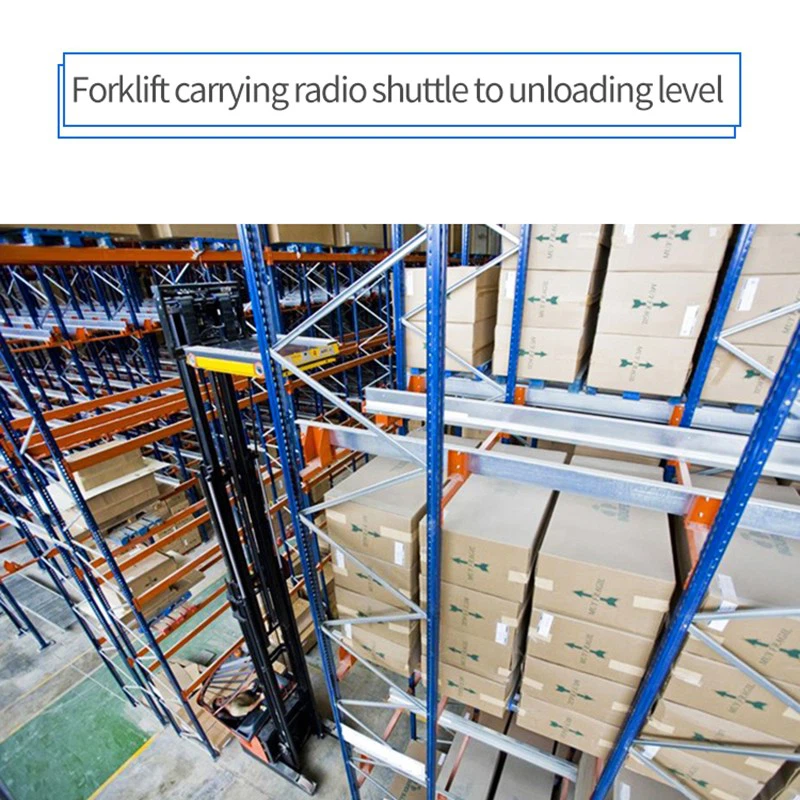

Automation and Efficiency
The automated operation of the shuttle racking system reduces the need for manual labor, which can improve efficiency and reduce the risk of human error. This is especially beneficial in hazardous environments where manual handling of pallets can be dangerous.
Flexibility
Shuttle racking systems are highly flexible and can be easily adapted to different warehouse layouts and storage requirements. This allows for the efficient storage and retrieval of a wide range of products, including those with special handling requirements.
Safety
As mentioned earlier, shuttle racking systems can be designed with a variety of safety features to protect the workers, the equipment, and the environment. This makes them a safer option for storing and handling goods in a hazardous environment.
Different Types of Shuttle Racking Systems for Hazardous Environments
There are different types of shuttle racking systems available, each with its own features and benefits. For example, the Semi Auto Storage Warehouse Racking System offers a balance between automation and manual operation. It can be a cost-effective solution for smaller warehouses or those with less complex storage requirements.
On the other hand, the 1200kg Unit Load Storage Shuttle Pallet Racking System is designed to handle heavier loads. This type of system is suitable for warehouses that store large and heavy pallets, such as those in the manufacturing or logistics industries.
Conclusion
In conclusion, a shuttle racking system can be a reliable and efficient solution for storing and handling goods in a hazardous environment. By understanding its components, operational principles, and safety measures, you can ensure the safe and effective operation of the system. Whether you need a high-density storage solution, automation, flexibility, or enhanced safety, a shuttle racking system can meet your requirements.
If you're considering implementing a shuttle racking system in your hazardous environment, I encourage you to contact us for a consultation. Our team of experts can help you choose the right system for your needs and provide you with the support and guidance you need to ensure its successful implementation.
References
- "Warehouse Automation: A Guide to Shuttle Racking Systems" by Industry Experts
- "Safety Standards for Storage Systems in Hazardous Environments" by Regulatory Bodies


