

When it comes to optimizing warehouse storage and ensuring the efficient handling of goods, heavy duty metal pallet rack shelves play a pivotal role. As a trusted supplier of heavy duty metal pallet rack shelves, I often encounter inquiries from clients regarding the weight capacity of these essential storage solutions. In this blog post, I'll delve into the factors that determine how much weight heavy duty metal pallet rack shelves can hold, offering insights to help you make informed decisions for your warehouse.
Understanding the Basics of Weight Capacity
The weight capacity of heavy duty metal pallet rack shelves refers to the maximum amount of weight that a single shelf or an entire rack system can safely support. This capacity is a critical consideration as it directly impacts the safety of your warehouse operations and the integrity of your stored goods. Exceeding the recommended weight capacity can lead to structural failure, which not only endangers employees but also causes damage to inventory and equipment.
Factors Affecting Weight Capacity
Several factors influence the weight capacity of heavy duty metal pallet rack shelves. Understanding these factors is essential for accurately assessing the suitability of a rack system for your specific storage needs.
Material and Construction
The quality of the materials used in the construction of the pallet rack shelves is a primary determinant of their weight capacity. Heavy duty metal pallet rack shelves are typically made from high - strength steel, which offers excellent durability and load - bearing capabilities. The thickness of the steel, as well as the design of the frame and beams, also plays a crucial role. For instance, racks with thicker steel members and well - engineered beam connections can generally support heavier loads.
Shelf Design
The design of the shelves themselves can significantly impact their weight capacity. Shelves with a wider surface area distribute the weight of the stored items more evenly, reducing stress on the rack structure. Additionally, the shape and configuration of the shelves, such as whether they are flat or have a ribbed design, can affect their strength and ability to support heavy loads.
Rack Configuration
The overall configuration of the rack system, including the height, width, and depth of the racks, can influence the weight capacity. Taller racks may have reduced weight capacity due to increased wind and seismic loads, as well as the potential for instability. Similarly, wider or deeper racks may require additional support to maintain their structural integrity when loaded with heavy items.
Loading Pattern
The way in which the pallets are loaded onto the shelves also affects the weight capacity. Uniformly distributed loads are generally better supported than concentrated loads. For example, if pallets are stacked unevenly or if a single heavy item is placed on one side of a shelf, it can create uneven stress on the rack structure and reduce its overall load - bearing capacity.
Standard Weight Capacities
Heavy duty metal pallet rack shelves come in a variety of weight capacities to accommodate different storage requirements. Here are some common weight capacity ranges for different types of rack systems:
Selective Pallet Racks
Selective pallet racks are one of the most popular types of rack systems. They offer direct access to each pallet, making them suitable for warehouses with a high turnover of goods. Standard selective pallet racks can typically support loads ranging from 1,000 to 4,000 pounds per pallet position. However, heavy duty versions of these racks can support even higher loads, up to 6,000 pounds or more per position.
Drive - In and Drive - Through Racks
Drive - in and drive - through racks are designed for high - density storage, where multiple pallets are stored in a single lane. These racks generally have a lower weight capacity per pallet position compared to selective racks, typically ranging from 1,000 to 3,000 pounds. This is because the design of these racks requires them to support the weight of multiple pallets stacked on top of each other, which can create additional stress on the structure.
Push - Back Racks
Push - back racks are a type of high - density storage system that allows pallets to be stored in a last - in, first - out (LIFO) arrangement. The weight capacity of push - back racks can vary depending on the number of pallet positions per lane and the design of the rack system. Generally, they can support loads ranging from 1,500 to 4,000 pounds per pallet position.
Calculating the Required Weight Capacity
To determine the appropriate weight capacity for your heavy duty metal pallet rack shelves, you need to consider the following steps:
- Identify the weight of your heaviest pallet: Determine the maximum weight of a single pallet that you will be storing on the shelves. This includes the weight of the product, the pallet itself, and any packaging.
- Consider the number of pallets per position: If you plan to stack multiple pallets on a single shelf, multiply the weight of a single pallet by the number of pallets per position.
- Account for dynamic loads: In addition to the static weight of the pallets, you also need to consider dynamic loads, such as the impact of forklifts during loading and unloading operations. These dynamic loads can add additional stress to the rack system and should be factored into your weight capacity calculations.
- Factor in safety margins: It's always a good idea to add a safety margin to your calculated weight capacity to account for any unforeseen circumstances or variations in loading conditions. A safety factor of 1.2 to 1.5 is commonly recommended.
Our Product Offerings
As a supplier of heavy duty metal pallet rack shelves, we offer a wide range of products to meet your specific storage needs. Our Wide Aisle Adjustable Pallet Racking provides easy access to each pallet, with high - quality construction that can support heavy loads. The adjustable design allows you to customize the rack system according to your pallet sizes and storage requirements.
Our Warehouse Storage Pallet Rack with Wire Decking is another excellent option. The wire decking provides additional support and ventilation, while the heavy duty steel frame ensures a high weight capacity. This rack system is ideal for storing a variety of products, including small parts and bulk items.
For warehouses with large - scale storage needs, our Heavy Duty Rack for Warehouse is designed to handle extremely heavy loads. These racks are engineered with robust materials and advanced construction techniques to provide maximum strength and stability.
Conclusion
The weight capacity of heavy duty metal pallet rack shelves is a complex but crucial consideration for any warehouse operation. By understanding the factors that affect weight capacity, calculating your specific requirements accurately, and choosing the right rack system, you can ensure the safety and efficiency of your storage facilities.
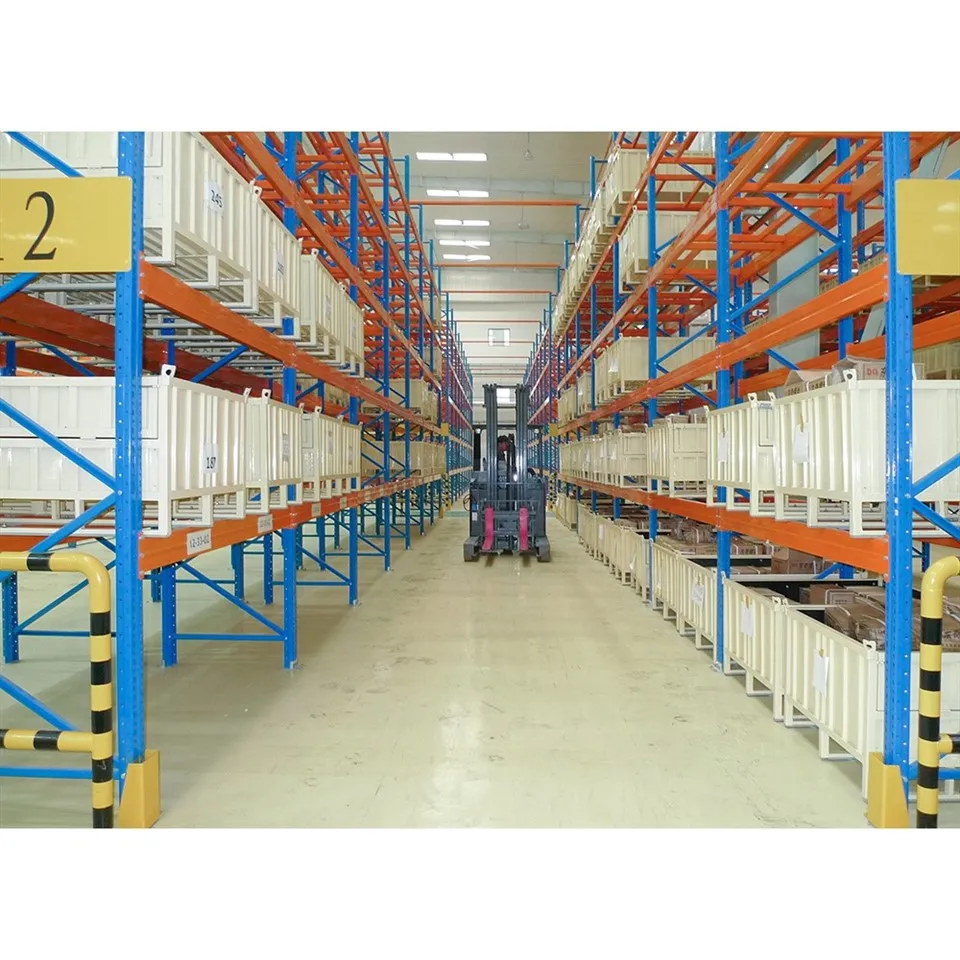

If you're in the market for heavy duty metal pallet rack shelves and need assistance in determining the appropriate weight capacity for your needs, don't hesitate to contact us. Our team of experts is ready to help you select the best rack system for your warehouse and provide you with all the information you need to make an informed decision.
References
- "Warehouse Storage Systems Design and Application" by the Material Handling Industry of America
- "Steel Storage Racks: Design, Specification, and Installation" by the Rack Manufacturers Institute


