
Hey there! As a supplier of Push Back Pallet Rack Systems, I've seen firsthand how important it is to design these systems to withstand seismic activity. Earthquakes can be a real threat, especially in areas prone to them, and having a rack system that can handle the shaking is crucial for the safety of your goods and your employees. So, let's dive into how you can design a Push Back Pallet Rack System that can stand up to seismic events.
Understanding Seismic Activity
First things first, we need to understand what seismic activity is and how it can affect your pallet rack system. Earthquakes generate ground motion, which can cause your racks to shake, tilt, or even collapse. The intensity of the shaking depends on several factors, including the magnitude of the earthquake, the distance from the epicenter, and the type of soil the racks are installed on.
When an earthquake occurs, the ground moves in different directions, creating forces that act on the rack system. These forces can be horizontal, vertical, or a combination of both. Horizontal forces are particularly concerning because they can cause the racks to slide or tip over. Vertical forces can also be problematic, as they can cause the racks to compress or buckle.
Site Assessment
Before you start designing your Push Back Pallet Rack System, it's essential to conduct a thorough site assessment. This will help you understand the seismic risks associated with the location and determine the appropriate design requirements for your racks.
One of the first things you'll need to do is obtain a seismic hazard map for the area. These maps provide information about the expected ground motion in the event of an earthquake, including the peak ground acceleration (PGA) and the spectral acceleration (SA) at different periods. The PGA is a measure of the maximum acceleration of the ground during an earthquake, while the SA is a measure of the response of a structure to the ground motion at different frequencies.
In addition to the seismic hazard map, you'll also need to consider the soil conditions at the site. Different types of soil have different properties, which can affect the way the ground shakes during an earthquake. For example, soft soils tend to amplify the ground motion, while hard soils tend to dampen it. You may need to conduct a soil investigation to determine the soil type and its properties, such as the shear wave velocity and the soil density.
Another important factor to consider is the orientation of the rack system. The direction of the seismic forces can vary depending on the location and the type of earthquake. By orienting the racks in a way that minimizes the impact of the seismic forces, you can reduce the risk of damage to the system. For example, if the predominant seismic forces are in one direction, you may want to align the racks perpendicular to that direction.
Design Considerations
Once you have a good understanding of the seismic risks associated with the site, you can start designing your Push Back Pallet Rack System. Here are some key design considerations to keep in mind:
Structural Integrity
The first and most important consideration is the structural integrity of the rack system. The racks need to be strong enough to withstand the seismic forces without collapsing or deforming. This means using high-quality materials and ensuring that the racks are properly designed and installed.
One way to improve the structural integrity of the racks is to use a heavy-duty frame design. This can include using thicker columns, beams, and braces, as well as adding additional supports and connections. You may also want to consider using a seismic bracing system, which can help to resist the horizontal forces and prevent the racks from tipping over.
Anchoring
Proper anchoring is essential for ensuring the stability of the rack system during an earthquake. The racks need to be securely anchored to the floor to prevent them from sliding or tipping over. This can be done using anchor bolts, which are inserted into the floor and tightened to hold the racks in place.
When selecting anchor bolts, it's important to choose ones that are appropriate for the soil conditions and the seismic forces at the site. You may need to consult with a structural engineer to determine the size and type of anchor bolts that are needed. In addition, the anchor bolts need to be installed correctly to ensure that they provide the necessary strength and stability.
Pallet Placement
The way you place the pallets on the racks can also affect the seismic performance of the system. It's important to distribute the weight evenly across the racks to prevent overloading and ensure that the racks are balanced. You may also want to consider using a pallet flow system, which can help to keep the pallets in place and prevent them from shifting during an earthquake.
In addition, it's important to avoid overloading the racks. Overloading can increase the stress on the racks and make them more susceptible to damage during an earthquake. Make sure to follow the manufacturer's guidelines for the maximum weight capacity of the racks and avoid stacking pallets higher than recommended.
Maintenance
Regular maintenance is essential for ensuring the long-term performance of the Push Back Pallet Rack System. This includes inspecting the racks for damage, such as cracks, bends, or loose connections, and making any necessary repairs or replacements. You should also check the anchor bolts regularly to ensure that they are still tight and secure.
In addition, it's important to keep the racks clean and free of debris. Debris can accumulate on the racks and cause them to become unbalanced or unstable. Make sure to sweep the racks regularly and remove any debris that may have accumulated.
Choosing the Right System
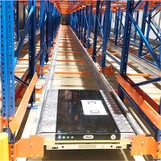
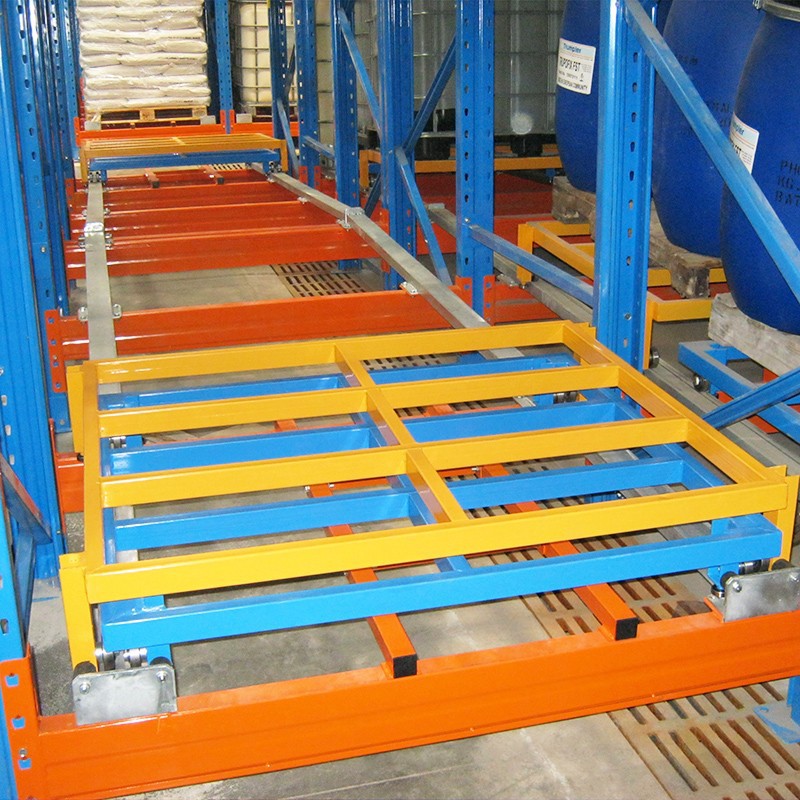
When it comes to choosing a Push Back Pallet Rack System that can withstand seismic activity, there are several options available. One popular option is the Two Pallet Deep Push Back Racking, which offers a high-density storage solution that is ideal for warehouses with limited space. This system uses a series of nested carts that allow pallets to be stored two deep, which can help to increase the storage capacity of the racks.
Another option is the Push Back Racking System, which is a more versatile system that can be customized to meet the specific needs of your warehouse. This system uses a series of inclined rails and carts that allow pallets to be stored multiple deep, which can help to increase the storage density of the racks.
Finally, the Push Back Pallet Rack System is a comprehensive system that includes all of the components needed to create a high-density storage solution. This system uses a combination of racks, carts, and pallets to provide a flexible and efficient storage solution that can be customized to meet the specific needs of your warehouse.
Conclusion
Designing a Push Back Pallet Rack System to withstand seismic activity is a complex process that requires careful planning and consideration. By understanding the seismic risks associated with the site, conducting a thorough site assessment, and following the appropriate design guidelines, you can create a rack system that is safe, reliable, and efficient.
If you're interested in learning more about our Push Back Pallet Rack Systems or need help designing a system that can withstand seismic activity, please don't hesitate to contact us. We have a team of experienced professionals who can provide you with the information and support you need to make the right decision for your warehouse.

References
- American Society of Civil Engineers (ASCE). (2016). Minimum Design Loads and Associated Criteria for Buildings and Other Structures (ASCE/SEI 7-16). Reston, VA: ASCE.
- International Building Code (IBC). (2018). International Code Council. Washington, DC: ICC.
- Rack Manufacturers Institute (RMI). (2019). Specification for the Design, Testing, and Utilization of Industrial Steel Storage Racks (ANSI/MH16.1-2019). Chicago, IL: RMI.