

Designing an adjustable pallet racking system for a small warehouse requires careful planning and consideration of various factors. As an adjustable pallet racking supplier, I understand the importance of creating a system that maximizes storage space, improves efficiency, and meets the specific needs of your business. In this blog post, I will guide you through the process of designing an adjustable pallet racking system for a small warehouse.

Assessing Your Warehouse Space
The first step in designing an adjustable pallet racking system is to assess your warehouse space. Measure the length, width, and height of your warehouse to determine the available space for racking. Consider any obstacles such as columns, doors, or sprinkler systems that may affect the placement of the racks. Additionally, take note of the floor load capacity to ensure that the racks can support the weight of the pallets and their contents.
Once you have a clear understanding of your warehouse space, you can start planning the layout of the racking system. Consider the flow of goods in your warehouse and the type of products you will be storing. For example, if you have a high volume of fast-moving products, you may want to consider a wide aisle adjustable pallet racking system that allows for easy access and efficient picking. On the other hand, if you have limited space and need to maximize storage density, a narrow aisle or drive-in racking system may be more suitable.
Choosing the Right Rack Type
There are several types of adjustable pallet racking systems available, each with its own advantages and disadvantages. The most common types of racking systems include selective pallet racking, drive-in racking, push-back racking, and pallet flow racking.
- Selective Pallet Racking: This is the most common type of racking system and is suitable for warehouses with a wide variety of products. Selective pallet racking allows for easy access to each pallet, making it ideal for fast-moving products. It is also relatively easy to install and can be adjusted to accommodate different pallet sizes.
- Drive-In Racking: Drive-in racking is a high-density storage solution that allows forklifts to drive directly into the racking system to access pallets. This type of racking is suitable for warehouses with large quantities of the same product and limited floor space. However, it may not be suitable for products that require frequent access.
- Push-Back Racking: Push-back racking is a dynamic storage system that uses a series of carts to store pallets. Pallets are loaded from the front of the rack and pushed back as new pallets are added. This type of racking is suitable for warehouses with a high volume of products and limited floor space. It allows for easy access to the first pallet in each lane, while maximizing storage density.
- Pallet Flow Racking: Pallet flow racking is a gravity-fed storage system that uses rollers or wheels to move pallets from the loading end to the picking end. This type of racking is suitable for warehouses with a high volume of fast-moving products and limited floor space. It allows for efficient picking and replenishment, while maximizing storage density.
When choosing the right rack type for your small warehouse, consider the type of products you will be storing, the frequency of access, and the available floor space. You may also want to consult with a professional racking supplier to determine the best solution for your specific needs.
Determining the Rack Dimensions
Once you have chosen the right rack type, you need to determine the dimensions of the racks. The dimensions of the racks will depend on the size and weight of the pallets you will be storing, as well as the available floor space. Consider the following factors when determining the rack dimensions:
- Pallet Size: Measure the length, width, and height of the pallets you will be storing to determine the minimum size of the rack beams. Make sure to allow enough clearance between the pallets and the rack beams to prevent damage.
- Load Capacity: Determine the maximum weight of the pallets and their contents to ensure that the racks can support the load. Consider the weight distribution of the pallets and the type of products you will be storing.
- Aisle Width: The aisle width will depend on the type of forklift you will be using and the maneuverability of the equipment. Make sure to allow enough space for the forklift to operate safely and efficiently.
- Height: The height of the racks will depend on the available ceiling height and the type of products you will be storing. Consider the maximum height of the pallets and the clearance required for the forklift to operate.
Installing the Racking System
Once you have determined the rack dimensions, it is time to install the racking system. Installing a racking system requires careful planning and attention to detail. It is recommended that you hire a professional racking installation company to ensure that the racks are installed correctly and safely.
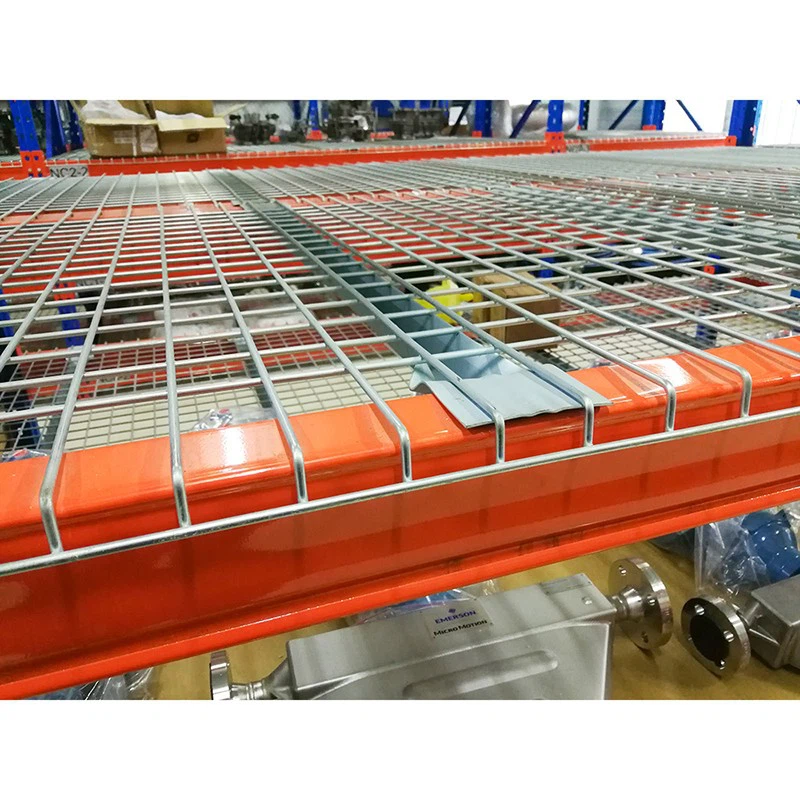
Before installing the racks, make sure to clean the floor and remove any debris or obstacles. Mark the location of the racks on the floor using a chalk line or tape measure. Follow the manufacturer's instructions for installing the racks, including the assembly of the uprights, beams, and wire decking.
Make sure to use the appropriate hardware and fasteners to secure the racks to the floor and to each other. Check the level and alignment of the racks regularly during the installation process to ensure that they are straight and stable. Once the racks are installed, test the system to make sure that it is functioning properly.
Maintaining the Racking System
Maintaining the racking system is essential to ensure its safety and longevity. Regular inspections and maintenance can help prevent accidents and damage to the racks and the products they store. Here are some tips for maintaining your adjustable pallet racking system:
- Inspect the Racks Regularly: Conduct regular inspections of the racks to check for any signs of damage or wear. Look for bent or damaged uprights, beams, or wire decking. Check the connections between the components to make sure they are tight and secure.
- Repair or Replace Damaged Components: If you notice any damage or wear to the racks, repair or replace the damaged components immediately. Do not use damaged racks, as they can pose a safety hazard.
- Keep the Racks Clean: Keep the racks clean and free of debris to prevent damage to the pallets and the products they store. Use a broom or vacuum cleaner to remove any dust or dirt from the racks.
- Train Your Employees: Train your employees on the proper use and maintenance of the racking system. Make sure they understand the weight limits and the proper procedures for loading and unloading the pallets.
Conclusion
Designing an adjustable pallet racking system for a small warehouse requires careful planning and consideration of various factors. By assessing your warehouse space, choosing the right rack type, determining the rack dimensions, installing the racking system correctly, and maintaining the system regularly, you can create a safe and efficient storage solution for your business.
If you are interested in learning more about adjustable pallet racking systems or need help designing a system for your small warehouse, please contact us. We are a leading supplier of adjustable pallet racking systems and can provide you with the expertise and support you need to create a customized solution for your business.
References
- "Warehouse Storage Pallet Rack with Wire Decking." /pallet-racking/adjustable-pallet-racking/warehouse-storage-pallet-rack-with-wire.html
- "Wide Aisle Adjustable Pallet Racking." /pallet-racking/adjustable-pallet-racking/wide-aisle-adjustable-pallet-racking.html
- "Euro Pallet Storage Adjustable Pallet Racking Systems." /pallet-racking/adjustable-pallet-racking/euro-pallet-storage-adjustable-pallet-racking.html


