

As a supplier of Three Pallet Deep Push Back Pallet Racks, ensuring the functionality of our products before installation is of utmost importance. This blog post will guide you through the process of testing these racks to guarantee they meet the highest standards of performance and safety.
Understanding Three Pallet Deep Push Back Pallet Racks
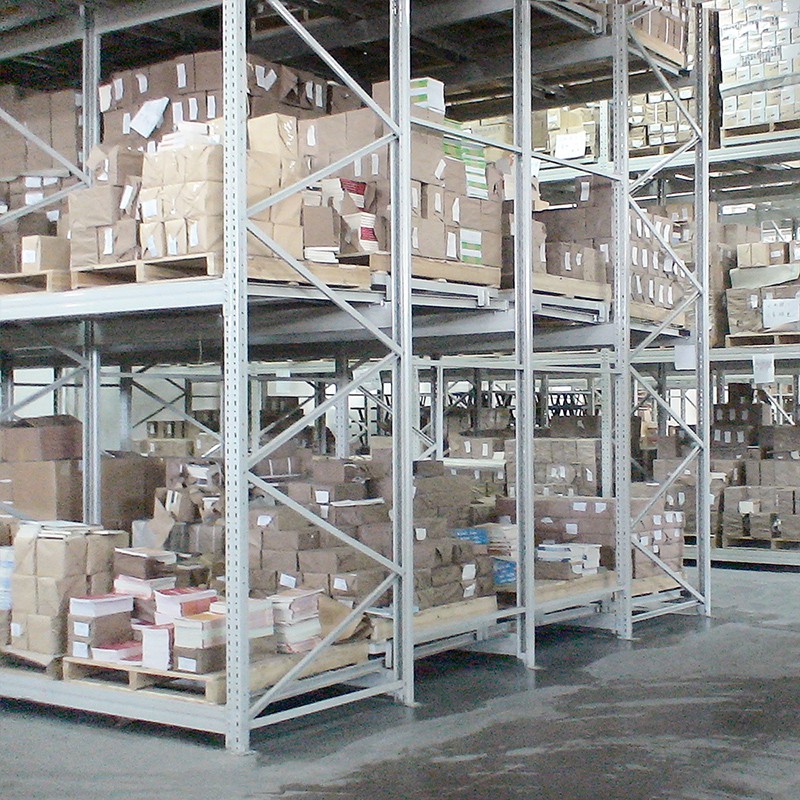
Before diving into the testing process, it's essential to understand what Three Pallet Deep Push Back Pallet Racks are. These racks are a type of high - density storage system that allows pallets to be stored three deep in each lane. They operate on a principle of gravity, where pallets are loaded from the front and pushed back, making room for new pallets. This system maximizes storage space while still providing relatively easy access to pallets. You can learn more about Three Pallet Deep Push Back Pallet Racks on our website.
Pre - installation Inspection
The first step in testing the functionality of Three Pallet Deep Push Back Pallet Racks is a thorough pre - installation inspection. This inspection should cover both the components of the rack system and the installation site.
Component Inspection
- Frame and Uprights: Check for any signs of damage, such as dents, bends, or cracks in the frames and uprights. These structural elements are crucial for the stability of the entire rack system. Ensure that all holes are properly aligned for easy assembly.
- Beams and Rails: Examine the beams and rails for straightness and integrity. Any warping or damage to these components can affect the smooth movement of pallets within the rack. Look for proper welding and finish on the beams and rails.
- Rollers and Casters: The rollers and casters are what allow the pallets to move smoothly in the push - back system. Check that they rotate freely without any binding or excessive play. Inspect for any signs of wear or damage, such as flat spots on the rollers.
Site Inspection
- Floor Condition: The floor where the racks will be installed must be level and capable of supporting the weight of the racks and the stored pallets. Measure the floor levelness using a spirit level or a laser level. Any significant unevenness can cause the racks to tilt or the pallets to jam.
- Clearance: Ensure that there is sufficient clearance around the installation area. This includes vertical clearance for forklift operation and horizontal clearance to prevent interference with other equipment or structures.
Assembly Testing
Once the pre - installation inspection is complete, the next step is to assemble the Three Pallet Deep Push Back Pallet Racks and conduct assembly testing.
Assembly Process
- Follow the Manual: Carefully follow the assembly manual provided with the rack system. This will ensure that all components are installed correctly and in the right order.
- Check for Proper Fit: As you assemble the racks, check that all connections fit snugly. Use the appropriate tools to tighten bolts and nuts to the recommended torque specifications.
Functionality Testing During Assembly
- Roller Movement: As the rails and rollers are installed, test the movement of the rollers. Push a test pallet along the rails to ensure that it moves smoothly without any obstructions.
- Beam Alignment: Check that the beams are properly aligned with the uprights. Misaligned beams can cause the pallets to sit unevenly or make it difficult to load and unload pallets.
Load Testing
Load testing is a critical part of testing the functionality of Three Pallet Deep Push Back Pallet Racks. This test simulates the actual use of the racks with real pallets and loads.

Static Load Testing
- Apply the Rated Load: Place test pallets on the racks, distributing the weight evenly to match the rated load capacity of the racks. Leave the pallets in place for a specified period, typically 24 hours, to allow the racks to settle under the load.
- Inspect for Deflection: After the static load test, inspect the racks for any signs of deflection or deformation. Measure the deflection of the beams and uprights using a measuring device. The deflection should be within the acceptable limits specified by the manufacturer.
Dynamic Load Testing
- Forklift Operation: Use a forklift to load and unload pallets from the racks. Observe the movement of the pallets within the push - back system. The pallets should move smoothly and without any jamming or excessive resistance.
- Multiple Load Cycles: Conduct multiple load cycles to simulate long - term use. This will help identify any potential issues that may arise over time, such as wear on the rollers or casters.
Safety Testing
Safety is a top priority when it comes to Three Pallet Deep Push Back Pallet Racks. Therefore, safety testing is an essential part of the pre - installation testing process.
Safety Features Inspection
- Backstops and End Stops: Check that the backstops and end stops are properly installed and in good condition. These features prevent pallets from falling out of the racks and provide a safety barrier.
- Anti - Tip Devices: If the racks are equipped with anti - tip devices, ensure that they are functioning correctly. These devices help prevent the racks from tipping over, especially when the racks are loaded unevenly.
Emergency Stop and Lockout Testing
- Emergency Stop Function: If the rack system has an emergency stop feature, test it to ensure that it works as intended. This will stop all movement of the pallets in case of an emergency.
- Lockout Mechanisms: Test any lockout mechanisms that are designed to prevent unauthorized access or movement of the pallets. These mechanisms should be easy to operate but secure enough to prevent accidental or unauthorized use.
Post - testing Evaluation
After completing all the tests, conduct a post - testing evaluation. This evaluation should summarize the results of the tests and identify any areas that need improvement.
Documentation
- Test Results: Document all test results, including the measurements, observations, and any issues found during the testing process. This documentation will serve as a record of the rack system's functionality and can be used for future reference.
- Repairs and Adjustments: If any issues were identified during the testing, document the necessary repairs and adjustments. Make sure that these repairs are carried out before the final installation of the racks.
Final Approval
Once all the tests are completed successfully and any necessary repairs and adjustments have been made, the Three Pallet Deep Push Back Pallet Racks are ready for final approval. This approval indicates that the racks are functioning properly and are safe for installation and use.
Conclusion
Testing the functionality of Three Pallet Deep Push Back Pallet Racks before installation is a comprehensive process that involves pre - installation inspection, assembly testing, load testing, safety testing, and post - testing evaluation. By following these steps, you can ensure that our rack systems meet the highest standards of performance and safety.
If you are interested in purchasing our Three Pallet Deep Push Back Pallet Racks or other related products such as Four Pallet Deep Push Back Racks Pallets or Push Back Pallet Rack System, please feel free to contact us for a detailed discussion and to start the procurement process.
References
- "Warehouse Rack Systems: Design, Installation, and Safety" - Industry - standard guide on rack systems.
- Manufacturer's assembly and operation manuals for Three Pallet Deep Push Back Pallet Racks.


