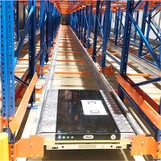

Hey there! I'm a supplier of the Radio Shuttle Racking System, and today I want to have an open and honest chat about the disadvantages of this system. Now, don't get me wrong, the Radio Shuttle Racking System has a ton of great features and benefits, but like any product, it's not without its drawbacks.
High Initial Investment
One of the most significant disadvantages of the Radio Shuttle Racking System is the high initial investment. Setting up this system requires a substantial amount of capital. You're not just paying for the racks themselves; you also need to invest in the shuttle devices, which are the key components that move pallets in and out of the racks. These shuttles are high - tech pieces of equipment, and they come with a hefty price tag.
For small and medium - sized businesses with tight budgets, this can be a real deal - breaker. They might be looking for more cost - effective storage solutions that don't require such a large upfront payment. Even for larger companies, the high initial cost can be a concern as it ties up a significant amount of capital that could be used for other business operations. For example, a startup warehouse might want to focus on expanding its customer base or improving its shipping processes, but the large investment in the Radio Shuttle Racking System could limit their ability to do so.
Complex Installation and Maintenance
The installation of the Radio Shuttle Racking System is far from a walk in the park. It's a complex process that requires a high level of technical expertise. You can't just have your regular warehouse staff put it together. You need trained professionals who understand the intricacies of the system, from the proper alignment of the racks to the programming of the shuttle devices.
This means that you'll likely have to hire external contractors for the installation, which adds to the overall cost. And if there are any mistakes during the installation, it can lead to operational issues down the line, such as the shuttle not moving smoothly or pallets not being stored properly.
Maintenance is another headache. The shuttles are mechanical and electronic devices, and they are prone to breakdowns. Regular maintenance is required to keep them in good working condition. This includes checking the batteries, motors, and sensors. If a shuttle breaks down, it can disrupt the entire storage operation. You might have to wait for replacement parts, and during this time, your warehouse productivity can take a nosedive. For instance, if a shuttle fails during a peak shipping season, it can cause delays in getting products out to customers.
Limited Flexibility
The Radio Shuttle Racking System is designed for high - density storage, which is great in many ways, but it also comes with a lack of flexibility. Once the system is installed, it's not easy to make changes. For example, if your business grows and you need to increase the storage capacity or change the layout of your warehouse, modifying the Radio Shuttle Racking System can be a challenge.
The racks are usually fixed in place, and the shuttle devices are programmed to work within a specific configuration. Changing the rack layout might require significant re - programming of the shuttles and could even involve dismantling and reinstalling parts of the system. This lack of flexibility can be a problem for businesses that are constantly evolving and need to adapt their storage solutions quickly.
Dependency on Technology
As mentioned earlier, the Radio Shuttle Racking System relies heavily on technology. The shuttles are controlled by radio signals and are equipped with various sensors and electronic components. This means that any technological glitches can have a major impact on the system's performance.
Power outages can be a real nightmare. Without power, the shuttles won't work, and you won't be able to access your stored pallets. Even a minor software glitch can cause the shuttles to malfunction. For example, a bug in the programming could make the shuttle move in the wrong direction or not pick up pallets correctly. And if you're not well - versed in the technology, it can be difficult to troubleshoot these issues on your own. You might have to wait for technical support, which can lead to downtime and lost productivity.
Compatibility Issues
The Radio Shuttle Racking System might not be compatible with all types of pallets. Different pallets come in various sizes, shapes, and materials. The shuttles are designed to work with specific pallet dimensions. If you have non - standard pallets, you might run into problems.
The shuttles might not be able to pick up or transport these non - standard pallets properly. This can limit your options when it comes to choosing pallets for your products. You might have to invest in new pallets that are compatible with the system, which adds to the overall cost. For example, if you're using custom - made pallets for a particular product line, you might have to change them to fit the Radio Shuttle Racking System, which can be both time - consuming and expensive.
Higher Training Requirements
Operating the Radio Shuttle Racking System requires a certain level of training. Your warehouse staff needs to learn how to use the control devices for the shuttles, understand the programming, and be able to handle any basic maintenance tasks. This training takes time and resources.
New employees will need to go through an extensive training program before they can operate the system safely and efficiently. This can slow down the onboarding process and increase the cost of labor. And even after the training, there's always a risk of human error. Employees might make mistakes in programming the shuttles or operating the control devices, which can lead to operational issues.
Limited Accessibility in Some Situations
In certain situations, the Radio Shuttle Racking System can limit accessibility to your stored products. For example, if you need to access a specific pallet that's deep in the rack and there are other pallets in front of it, you might have to move multiple pallets to get to the one you need.
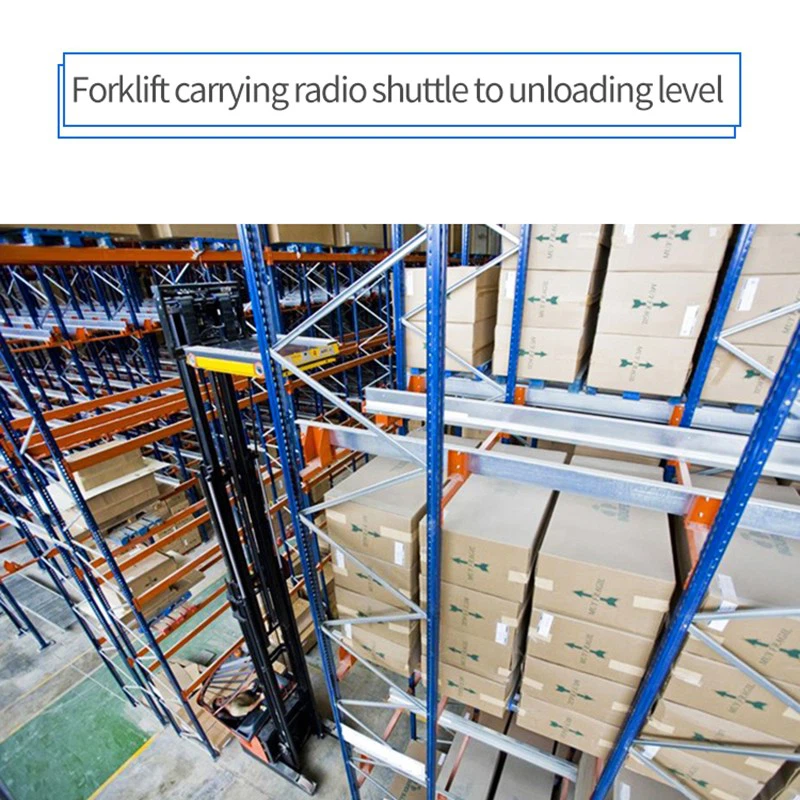
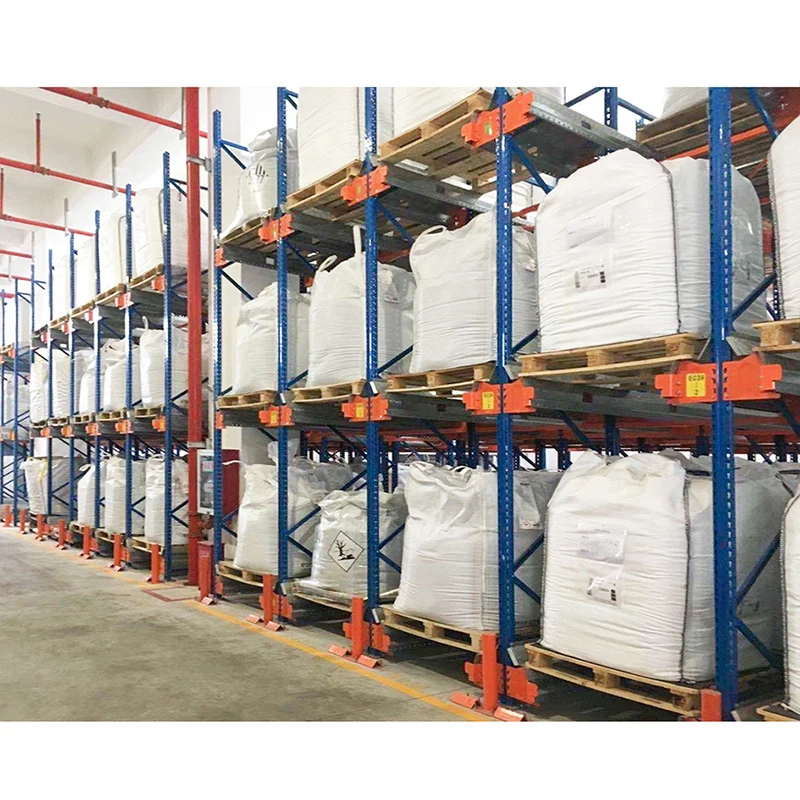
This can be a problem if you have a high - turnover product that needs to be accessed frequently. It can slow down the picking process and reduce the overall efficiency of your warehouse. In a traditional pallet racking system, you can usually access any pallet directly, but with the Radio Shuttle Racking System, the process can be more convoluted.
Conclusion
So, there you have it - the disadvantages of the Radio Shuttle Racking System. While it offers high - density storage and improved efficiency in many cases, it also comes with its fair share of challenges. However, it's important to note that these disadvantages might not be deal - breakers for every business. If you have a large - scale operation with a stable product line and the budget to invest in the system, the benefits might outweigh the drawbacks.
If you're still interested in learning more about our FIFO and FILO High Density Storage Shuttle Racking System, 1200kg Unit Load Storage Shuttle Pallet Racking System, or High Density Storage Pallet Rack, we'd love to have a chat with you. We can help you assess whether the Radio Shuttle Racking System is the right fit for your business and answer any questions you might have. Don't hesitate to reach out to us for a more in - depth discussion about your storage needs and how we can assist you.
References
- "Warehouse Storage Systems: A Comprehensive Guide" by Industry Experts
- "The Impact of High - Tech Storage Solutions on Warehouse Operations" from a leading logistics journal