

Lighting in warehouses with high density storage pallet racks is a critical aspect that significantly impacts safety, efficiency, and productivity. As a supplier of High Density Storage Pallet Racks, I understand the importance of proper lighting in these environments. In this blog post, I will discuss the lighting requirements for warehouses equipped with such racks, considering various factors that influence lighting design.
Understanding the Importance of Lighting in High - Density Storage Warehouses
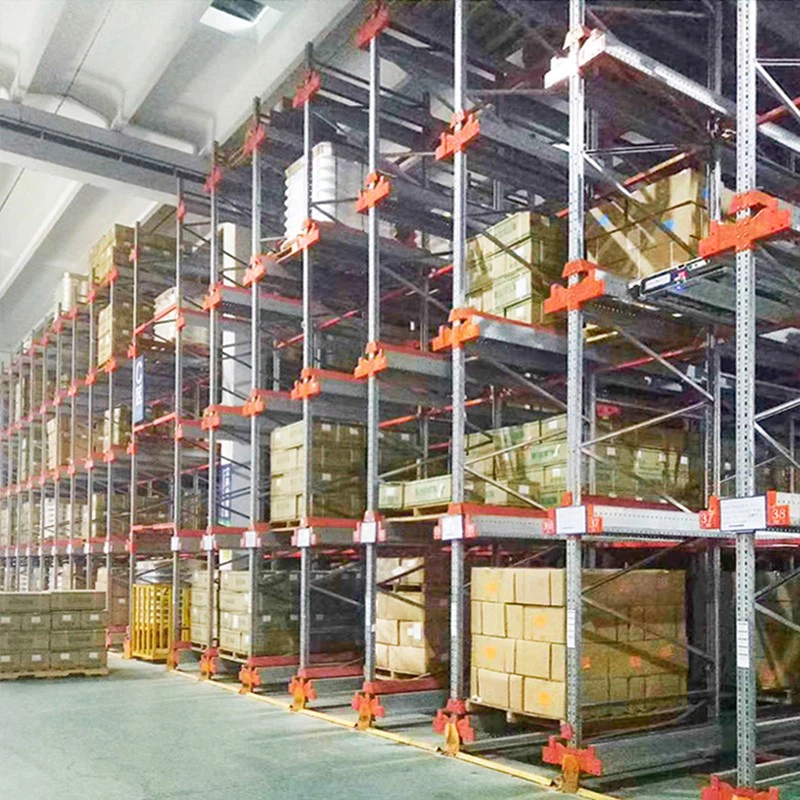
High density storage pallet racks are designed to maximize storage space by storing pallets in a compact manner. However, this design can create challenges in terms of visibility. Workers need to be able to clearly see the pallets, their contents, and the racking structure itself to perform tasks such as loading, unloading, and inventory management safely and efficiently.
Insufficient lighting can lead to a variety of problems. It increases the risk of accidents, such as collisions with racks or pallets, falls, and errors in picking and placing items. Poor visibility can also slow down operations, as workers may need to spend more time searching for items or ensuring they are handling them correctly. Moreover, it can have a negative impact on the quality of work, potentially leading to damaged goods and inaccurate inventory records.

Factors Affecting Lighting Requirements
1. Rack Height and Configuration
The height and configuration of high density storage pallet racks play a crucial role in determining lighting needs. Taller racks may require more powerful lighting fixtures to reach the upper levels. In addition, the layout of the racks, such as whether they are single - deep or double - deep, can affect the distribution of light. Double - deep racks, for example, may create more shadows and require additional lighting to ensure adequate visibility in the back rows.
2. Type of Operations
The type of operations carried out in the warehouse also influences lighting requirements. If the warehouse is used for manual picking, where workers need to read labels and select specific items, higher levels of illumination are required compared to a warehouse where pallets are simply stored and retrieved using automated equipment. In addition, operations that involve working with small or detailed items may need more focused lighting.
3. Color Temperature and Color Rendering Index (CRI)
Color temperature affects the appearance of the light and can impact the visual comfort of workers. A higher color temperature (e.g., 5000 - 6500K) provides a cooler, more daylight - like light, which can enhance visibility and reduce eye strain. The Color Rendering Index (CRI) measures how accurately a light source renders colors compared to natural light. A high CRI (e.g., 90 or above) is desirable in warehouses, especially when color - coded labels or products are used, as it allows workers to distinguish colors more easily.
4. Energy Efficiency
In today's environmentally conscious world, energy efficiency is an important consideration. LED lighting has become the preferred choice for warehouses due to its low energy consumption, long lifespan, and high luminous efficacy. By using energy - efficient lighting solutions, warehouses can reduce their electricity bills and carbon footprint while still maintaining adequate lighting levels.
Recommended Lighting Levels
The Illuminating Engineering Society (IES) provides guidelines for lighting levels in different types of warehouses. For general storage areas with high density storage pallet racks, a minimum illuminance of 10 - 20 foot - candles (108 - 215 lux) is typically recommended. However, for areas where more detailed work is performed, such as picking and packing stations, higher levels of 30 - 50 foot - candles (323 - 540 lux) or more may be required.
It's important to note that these are general guidelines, and the actual lighting levels may need to be adjusted based on the specific factors mentioned above. For example, if the warehouse has very tall racks or is used for complex operations, higher lighting levels may be necessary.
Lighting Design Strategies
1. Uniform Lighting Distribution
To ensure consistent visibility throughout the warehouse, it's important to achieve a uniform distribution of light. This can be achieved by carefully selecting the type and placement of lighting fixtures. For high density storage pallet racks, overhead lighting is often used, but it may need to be supplemented with additional lighting sources, such as wall - mounted fixtures or aisle - lighting systems, to reduce shadows and provide more even illumination.
2. Zoning
Dividing the warehouse into different zones based on the type of operations and lighting requirements can be an effective strategy. For example, areas used for storage can have lower lighting levels, while picking and packing areas can have higher levels. This allows for more efficient use of energy and ensures that each area has the appropriate amount of light.
3. Lighting Controls
Installing lighting controls, such as occupancy sensors and daylight sensors, can further improve energy efficiency. Occupancy sensors can automatically turn off lights in areas that are not in use, while daylight sensors can adjust the intensity of artificial lighting based on the amount of natural light available.
Our High Density Storage Pallet Racks and Lighting Compatibility
As a supplier of High Density Storage Pallet Rack, we understand the importance of providing solutions that are compatible with different lighting systems. Our racks are designed to allow for easy installation of lighting fixtures, whether it's overhead lighting, aisle lighting, or other types of supplementary lighting.
For example, our 1200kg Unit Load Storage Shuttle Pallet Racking System is designed with a robust structure that can support the weight of lighting fixtures. The open design of the racks also helps to minimize shadows and allows for better light distribution.
In addition, our FIFO and FILO High Density Storage Shuttle Racking System is suitable for warehouses with different lighting requirements. Whether you need high - level illumination for detailed operations or more general lighting for storage, our racks can be customized to work with your lighting setup.
Conclusion
Proper lighting is essential for warehouses with high density storage pallet racks. By considering factors such as rack height, type of operations, color temperature, and energy efficiency, and implementing appropriate lighting design strategies, warehouses can improve safety, efficiency, and productivity.
As a supplier of high - quality High Density Storage Pallet Racks, we are committed to providing solutions that are compatible with various lighting systems. If you are in the process of designing or upgrading your warehouse lighting, or if you have any questions about our pallet racks, we encourage you to contact us for a consultation. Our team of experts can help you determine the best lighting and racking solutions for your specific needs.
References
- Illuminating Engineering Society. (2019). IES Lighting Handbook, 10th Edition.
- National Fire Protection Association. (2020). NFPA 101: Life Safety Code.
- Occupational Safety and Health Administration. (2021). General Industry Standards - Lighting.


