

Hey there! As a supplier of Heavy Duty Rack for Warehouse, I often get asked about the weight of these racks per unit. It's a crucial question, especially for those looking to optimize their warehouse storage space and ensure the safety of their goods. In this blog, I'll break down everything you need to know about the weight of heavy-duty warehouse racks.
Understanding Heavy Duty Racks
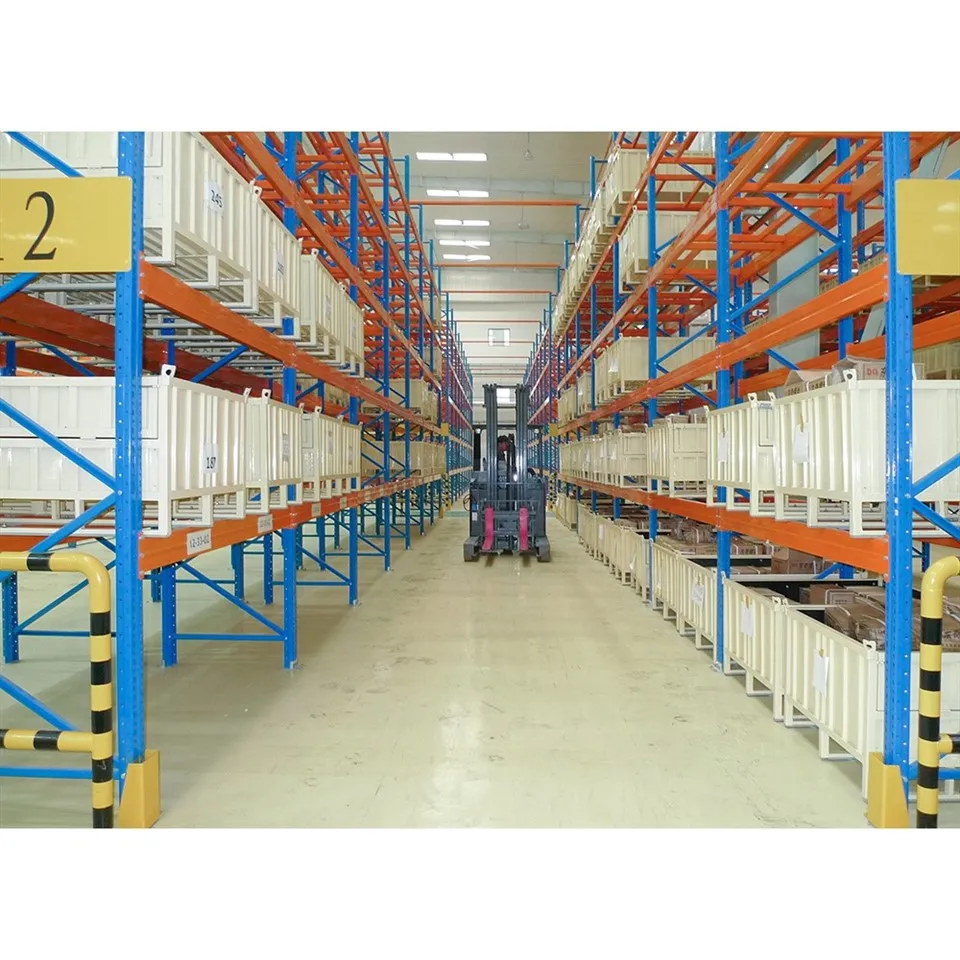
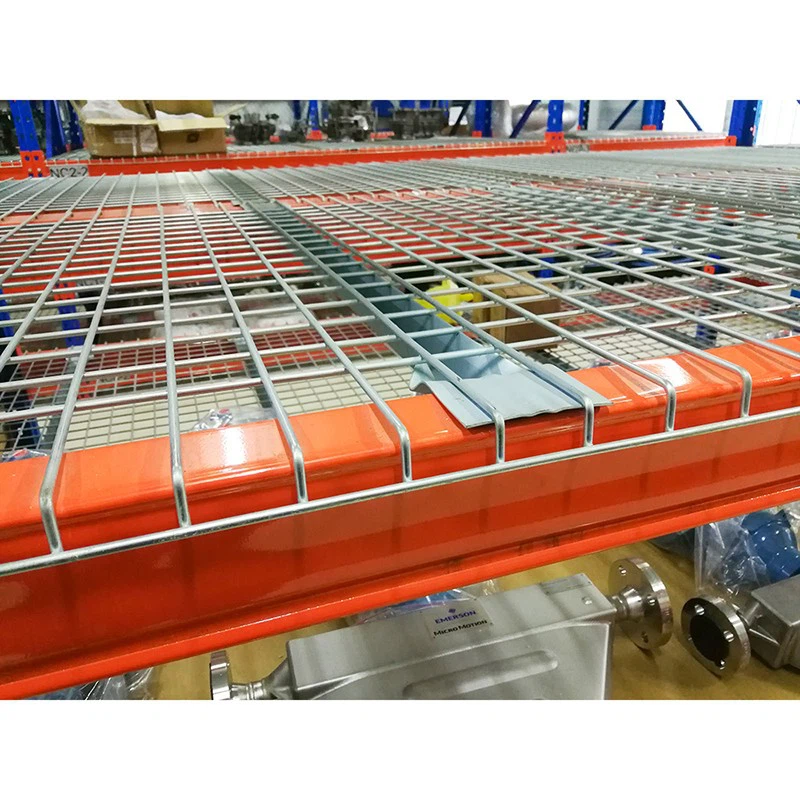
First off, let's talk about what heavy-duty racks are. These racks are designed to handle large and heavy items in a warehouse setting. They're built tough to withstand the weight of pallets, machinery, and other bulky goods. There are different types of heavy-duty racks, like the Warehouse Storage Pallet Rack with Wire Decking, which provides a stable surface for storing items on pallets, and the Outdoor Storage Hot-dip Galvanized Finished Pallet Rack, which is resistant to corrosion and suitable for outdoor use.
Factors Affecting the Weight of Heavy Duty Racks
The weight of a heavy-duty rack per unit can vary significantly depending on several factors. Here are some of the key ones:
1. Material
The material used to construct the rack plays a major role in determining its weight. Most heavy-duty racks are made from steel, which is strong and durable. However, the thickness and grade of the steel can vary. Thicker and higher-grade steel will result in a heavier rack. For example, a rack made from high-strength steel may weigh more than one made from standard steel, but it will also be able to support more weight.
2. Design
The design of the rack also affects its weight. Racks with more complex designs, such as those with additional support beams or bracing, will generally be heavier. This is because they require more material to construct. On the other hand, a simple, basic design may be lighter but may not be able to handle as much weight.
3. Size
The size of the rack is another important factor. Larger racks will naturally weigh more than smaller ones. This is because they require more material to build. For example, a tall rack with multiple levels will weigh more than a short, single-level rack.
4. Load Capacity
The load capacity of the rack is directly related to its weight. A rack with a higher load capacity will need to be stronger and more robust, which usually means it will be heavier. This is because it needs to be able to support the weight of the goods it is storing without bending or collapsing.
Typical Weight Ranges
So, what are the typical weight ranges for heavy-duty warehouse racks? Well, it really depends on the factors mentioned above. However, I can give you a general idea.
For a standard single-level heavy-duty pallet rack made from medium-grade steel, the weight per unit can range from around 100 to 300 pounds. This type of rack is suitable for storing pallets of moderate weight.
If you're looking for a multi-level rack with a higher load capacity, the weight per unit can be significantly higher. It could range from 500 to 1,000 pounds or more. These racks are designed to handle heavy pallets and are often used in large warehouses.
It's important to note that these are just rough estimates. The actual weight of a rack will depend on its specific design, material, and size.
Why Knowing the Weight Matters
You might be wondering why it's so important to know the weight of a heavy-duty rack per unit. Here are a few reasons:
1. Installation
Knowing the weight of the rack is crucial for proper installation. You need to make sure that the floor of your warehouse can support the weight of the rack and the goods it will be storing. If the floor is not strong enough, it could lead to structural damage or even collapse.
2. Transportation
The weight of the rack also affects transportation. Heavier racks will require more powerful vehicles to transport them, and they may also incur higher shipping costs. By knowing the weight, you can plan your transportation logistics more effectively.
3. Load Distribution
Understanding the weight of the rack is essential for proper load distribution. You need to make sure that the weight of the goods is evenly distributed across the rack to prevent overloading and ensure the safety of the rack and the goods.
Choosing the Right Rack for Your Needs
When choosing a heavy-duty rack for your warehouse, it's important to consider the weight along with other factors such as load capacity, size, and design. Here are some tips to help you make the right choice:
1. Assess Your Needs
Start by assessing your storage needs. Determine the type and weight of the goods you will be storing, as well as the available space in your warehouse. This will help you determine the load capacity and size of the rack you need.
2. Consider the Weight
As we've discussed, the weight of the rack is an important factor. Make sure you choose a rack that is not too heavy for your floor to support but is also strong enough to handle the weight of your goods.
3. Look at the Design
The design of the rack can also affect its performance. Look for a design that is easy to install, provides good access to the goods, and is suitable for your storage needs.
4. Check the Quality
Finally, make sure you choose a high-quality rack from a reputable supplier. A good quality rack will be more durable and reliable, and it will last longer.
Conclusion
In conclusion, the weight of a heavy-duty rack for warehouse per unit can vary depending on several factors, including material, design, size, and load capacity. Knowing the weight is important for installation, transportation, and load distribution. By considering these factors and choosing the right rack for your needs, you can optimize your warehouse storage space and ensure the safety of your goods.
If you're interested in purchasing heavy-duty racks for your warehouse, I encourage you to check out our Heavy Duty Rack for Warehouse options. We offer a wide range of high-quality racks to suit different needs and budgets. Feel free to reach out to us to discuss your requirements and get a quote. We're here to help you find the perfect storage solution for your warehouse.
References
- Industry standards and guidelines for warehouse racking
- Manufacturer specifications for heavy-duty racks


