

Hey there! As a supplier of the Radio Shuttle Racking System, I've seen firsthand how signal interference can be a real pain in the you - know - what for users. In this blog, I'm gonna share some practical ways to solve the signal interference problem of this awesome Radio Shuttle Racking System.
First off, let's understand what causes signal interference in the Radio Shuttle Racking System. There are a few common culprits. One of the main ones is other electronic devices operating in the same frequency range. In a warehouse environment, there are often lots of things like Wi - Fi routers, barcode scanners, and other radio - controlled equipment. These can all emit signals that clash with the signals of the radio shuttle racking system, causing disruptions.
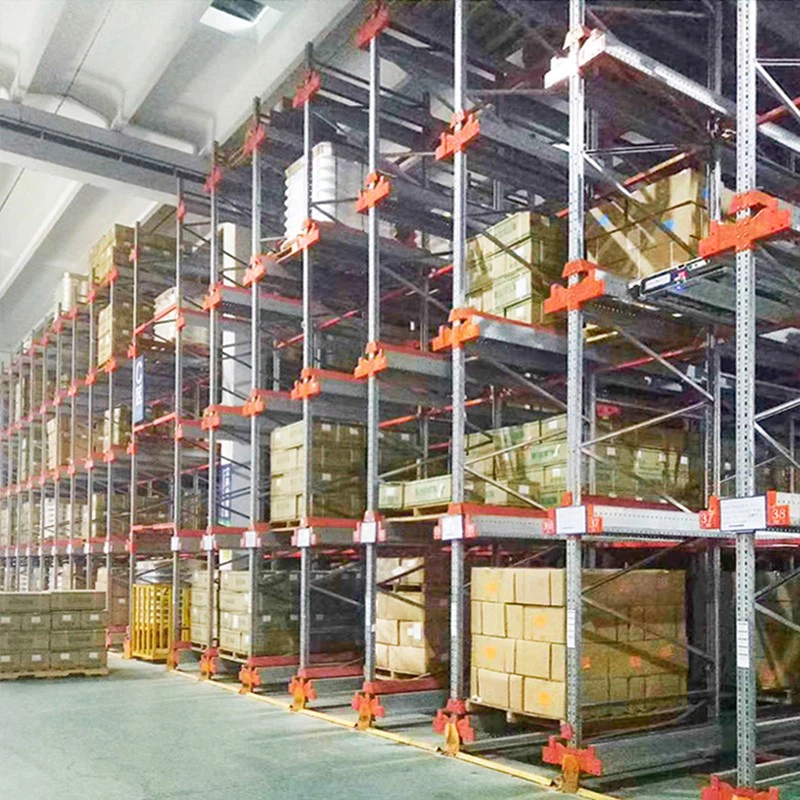
Another factor is physical obstacles. Metal structures, large machinery, and even stacks of pallets can block or reflect the radio signals. This can lead to weak or inconsistent signals reaching the shuttles, making them act up.
So, how do we fix these issues? Well, let's start with dealing with other electronic devices.
Frequency Management
The first step is to figure out the frequency that your Radio Shuttle Racking System uses. Then, you need to check what other devices in the area are using similar frequencies. Most modern radio shuttle systems allow you to adjust the frequency. You can work with a professional technician to find a less - crowded frequency band. For example, if you find that a nearby Wi - Fi router is causing interference, you can change the frequency of your radio shuttle system to a different one. This way, the signals won't get all jumbled up.
Signal Boosters
If the signal is weak due to distance or physical obstacles, signal boosters can be a great solution. These devices amplify the radio signals, making them stronger and more reliable. You can place signal boosters strategically around the warehouse, especially in areas where the signal is known to be weak. For instance, near large metal racks or at the far ends of the storage aisles. This will ensure that the shuttles receive a strong and consistent signal, no matter where they are in the system.
Antenna Optimization
The antennas on the shuttles and the control units play a crucial role in signal transmission. Make sure that the antennas are properly installed and oriented. A misaligned or damaged antenna can significantly reduce the signal strength. You should regularly inspect the antennas for any signs of damage, such as bent or broken elements. If you find any issues, replace the antennas immediately. Also, consider using high - gain antennas. These antennas can improve the signal range and quality, allowing for better communication between the shuttles and the control system.
Shielding
When it comes to physical obstacles, shielding can be a game - changer. You can use special shielding materials to protect the radio signals from being blocked or reflected. For example, you can install metal shielding around the control units and the shuttles. This will prevent external interference from reaching the sensitive electronic components. However, you need to be careful with shielding, as it can also block the signals if not installed correctly. So, it's best to consult with an expert before implementing any shielding measures.
System Upgrades
Sometimes, the problem might be with the old or outdated software and hardware of the Radio Shuttle Racking System. Upgrading to the latest version of the software can often improve the signal processing and communication capabilities of the system. Newer software versions usually come with better algorithms for dealing with interference and optimizing the signal strength. Additionally, upgrading the hardware components, such as the radio modules, can also enhance the overall performance of the system.
Training and Maintenance
Proper training for your warehouse staff is essential. They need to understand how the Radio Shuttle Racking System works and what to do in case of signal interference. Make sure they know how to operate the system correctly and how to identify the signs of interference. Regular maintenance is also crucial. Inspect the system regularly for any loose connections, damaged cables, or other issues that could affect the signal. By keeping the system in good condition, you can prevent many interference problems from occurring in the first place.
Now, let's talk about the different types of Radio Shuttle Racking Systems and how these solutions apply to them.
The FIFO and FILO High Density Storage Shuttle Racking System is designed for efficient storage and retrieval of pallets. The same principles of frequency management, signal boosters, and antenna optimization apply to this system. However, due to its high - density nature, there might be more physical obstacles in the form of tightly packed pallets. So, proper shielding and strategic placement of signal boosters are even more important.
The 1200kg Unit Load Storage Shuttle Pallet Racking System is built to handle heavier loads. This system might be used in industrial settings where there are more electronic devices and larger machinery. As a result, frequency management becomes even more critical. You need to ensure that the system can operate without being affected by the surrounding electronic noise.
In conclusion, solving the signal interference problem of the Radio Shuttle Racking System requires a combination of technical solutions, proper maintenance, and staff training. By taking these steps, you can ensure that your system runs smoothly, increasing efficiency and reducing downtime.
If you're facing signal interference issues with your Radio Shuttle Racking System or are interested in purchasing a new one, don't hesitate to reach out. We're here to help you find the best solutions for your specific needs. Whether it's frequency management, installing signal boosters, or upgrading your system, we've got the expertise to get the job done right.

References
- Industry reports on radio frequency interference in warehouse automation systems.
- Manufacturer's guidelines for Radio Shuttle Racking System operation and maintenance.
- Technical papers on signal processing and optimization in radio - controlled devices.


